
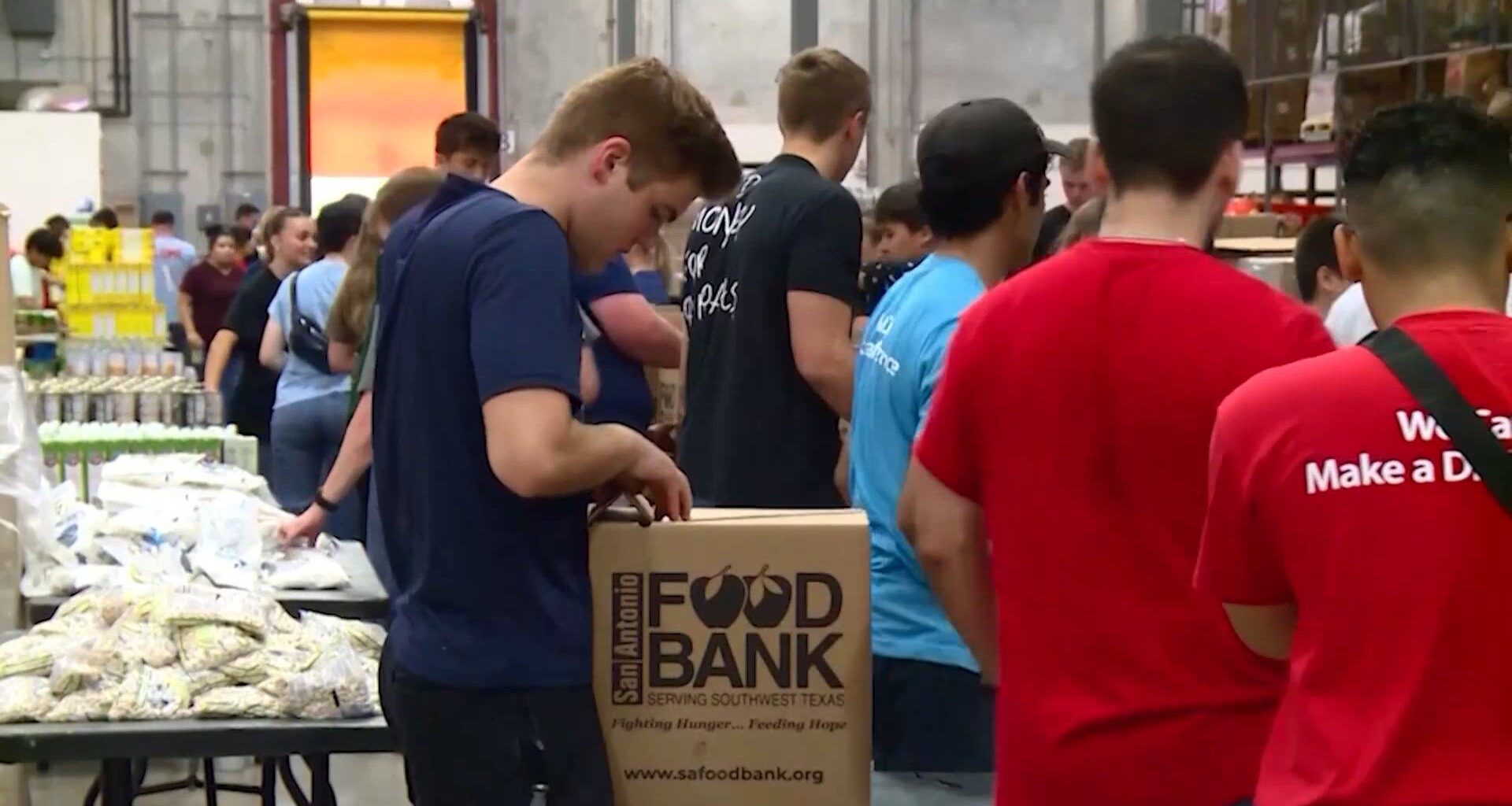
With grandparents raising children, finding food for the entire household on a strict budget can be a difficult task.
SAN ANTONIO — Food insecurity is the inability to get enough safe, healthy food because of a lack of money or other resources. And in today’s Healthy SA, we see how caregivers of children can be helped through local programs to address this growing concern.
You may have enough food on your table, but not everyone does. That’s why raising awareness about people facing hunger and encouraging community involvement is a must. Because without proper nutrition, the risk of malnutrition, obesity, diabetes, and heart disease all go up. Mercedes Bristol, the Executive Director of Texas Grandparents Raising Grandchildren told us, “Health is a big deal. I mean, if you can’t get food on your table, how can you get vitamins and probiotics and all those other things that make the body work?”

This story continues below.
Bristol also raised five grandchildren of her own. She knows how hard it can be for families to be able to afford food, which isn’t a luxury, but a necessity. She told us, “And then the quality of food is another thing that I’ve been advocating for, because a lot of people give cans of corn or juices or things like that, but then we need to understand the dietary needs of these seniors and these children.”
Health Equity Network partners across San Antonio are doing what they can to address food insecurity by connecting over 60 organizations, providing over 761,000 meals, and distributing over 122,000 pounds of food. But to address this growing need across the entire state of Texas, your help is needed. Bristol added, “These children go hungry sometimes, or they go to bed without anything to eat.”
Texas Grandparents Raising Children works closely with both the Health Equity Network and San Antonio’s Metro Health to expand access to nutritious foods and reduce health disparities. Bristol said, “Some of them have hunger issues, right? And some of them are, most of them, are grandparents that might go to three, four, or five food pantries a week to be able to supplement their food insecurity.”
The Health Equity Network offers a Food Is Health Toolkit to help people understand how food insecurity affects households, as well as the systems that contribute to it.