
AUSTIN, Texas — Robotaxis are becoming a far more common sight on Austin streets, with new driverless vehicles arriving and safety questions following close behind.
The newest addition is Tesla’s Cybercab, a driverless car with no steering wheel or pedals that launched last month. The gold-colored Cybercab debuted in Austin on Sept. 3 “to much fanfare.”
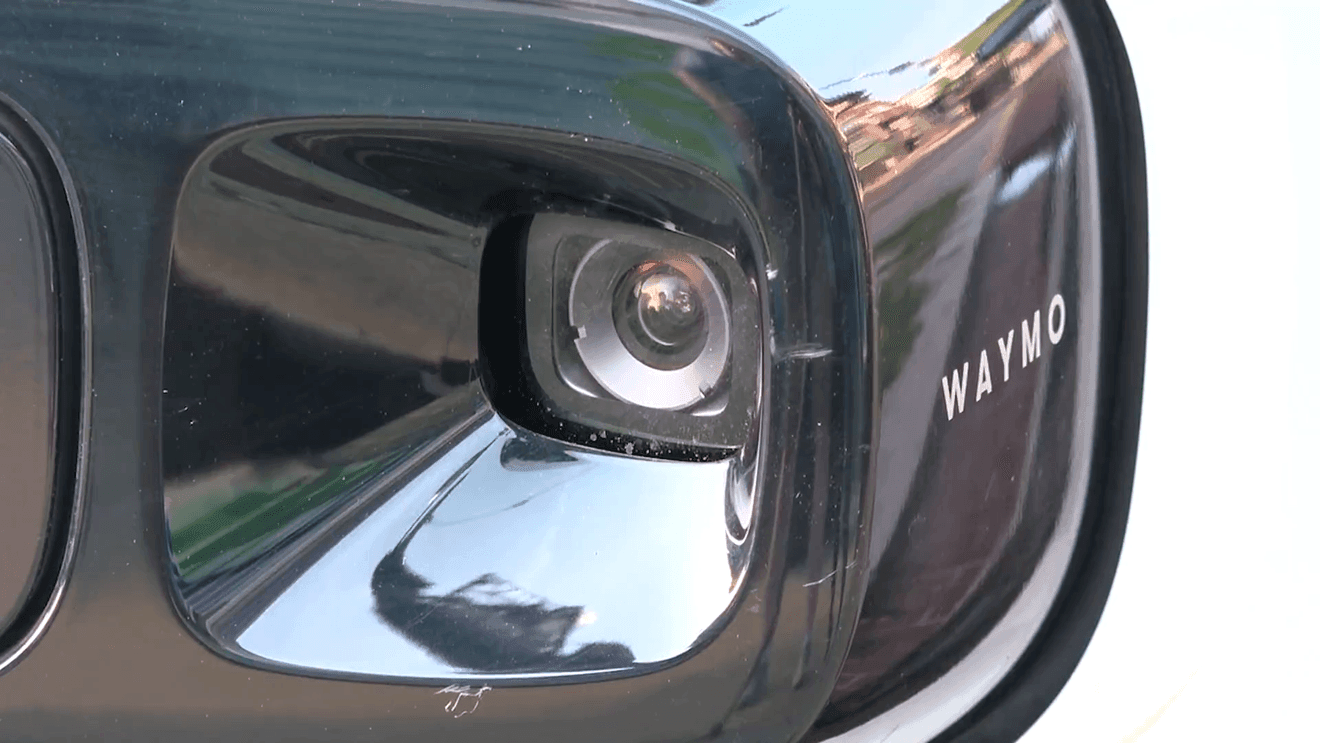
Tesla says it now has more than 300 self-driving taxis serving Austin. According to the Robotaxi Tracker, Tesla’s fleet has 354 robotaxis on the street in Austin, including 178 gold-colored Cybercabs. Waymo also has more than 300 robotaxis in Austin, bringing the total to about 700 autonomous vehicles.
KEYE
ALSO| What can be done to prevent auto-pedestrian fatalities in Texas?
Harry Concepcion, a Tesla investor since 2011, said, “I have not had the chance to ride the robotaxi here in Austin, but I was one of the first riders of robo-taxis at the WeRobot event in Los Angeles.” Concepcion said, “One thing I like about Tesla is just its ability to scale its systems and products.”
Safety advocates say the rapid growth raises concerns. Peter Kurdock, general counsel at Advocates for Highway and Auto Safety in Washington, D.C., said, “There are some significant safety concerns. In fact, just several days ago, the U.S. Department of Transportation opened an investigation in response to observations that several of these autonomous vehicles, these cabs, had sped through school zones.”
The day after the Cybercab launched in Austin, the National Highway Traffic Safety Administration announced an investigation to make sure the Cybercab meets federal safety regulations. A request for an update from NHTSA did not receive a response. However, an NHTSA press release said the agency is developing safety regulations.
Kurdock said, “There are no federal safety standards that apply to the software in these cars that are driving themselves, and that’s a real concern.”
In July, the Insurance Institute for Highway Safety reported that Waymo robotaxis in Austin had fewer crashes than human drivers. But Advocates for Highway and Auto Safety said there is not enough data to conclude robotaxis in general are safer, or safe enough.