

“I want to stay forever,” Bisono proclaimed on hour 16 in his new city.
When Bisono and his roommate, Marino Ginebra, moved from Boston to Austin in September, they joined a growing club of emigres. Texas has become a top destination for those leaving Massachusetts, and young people in particular are exiting at an alarming rate, IRS data show. Bisono and Ginebra both came to Boston for college, worked in the city for a year, then decided to head south in search of cheaper housing, better weather, and a stronger entrepreneurial landscape for their fledgling supplement business. In Austin, they hope to find more job opportunities and a lifestyle more suitable for 20-somethings who are past the college partying stage but not yet settled down.
Get Power Play
A twice-weekly dive into the power players and moves driving business in Massachusetts, authored by long-time business columnists Shirley Leung and Jon Chesto.
In Boston, Bisono said, all of his friends talked about moving; many of them already had.
“I was making just enough to live,” said Bisono, who works at a large logistics company. In Austin, he said, “I’m paying less rent, and I’m getting more.”
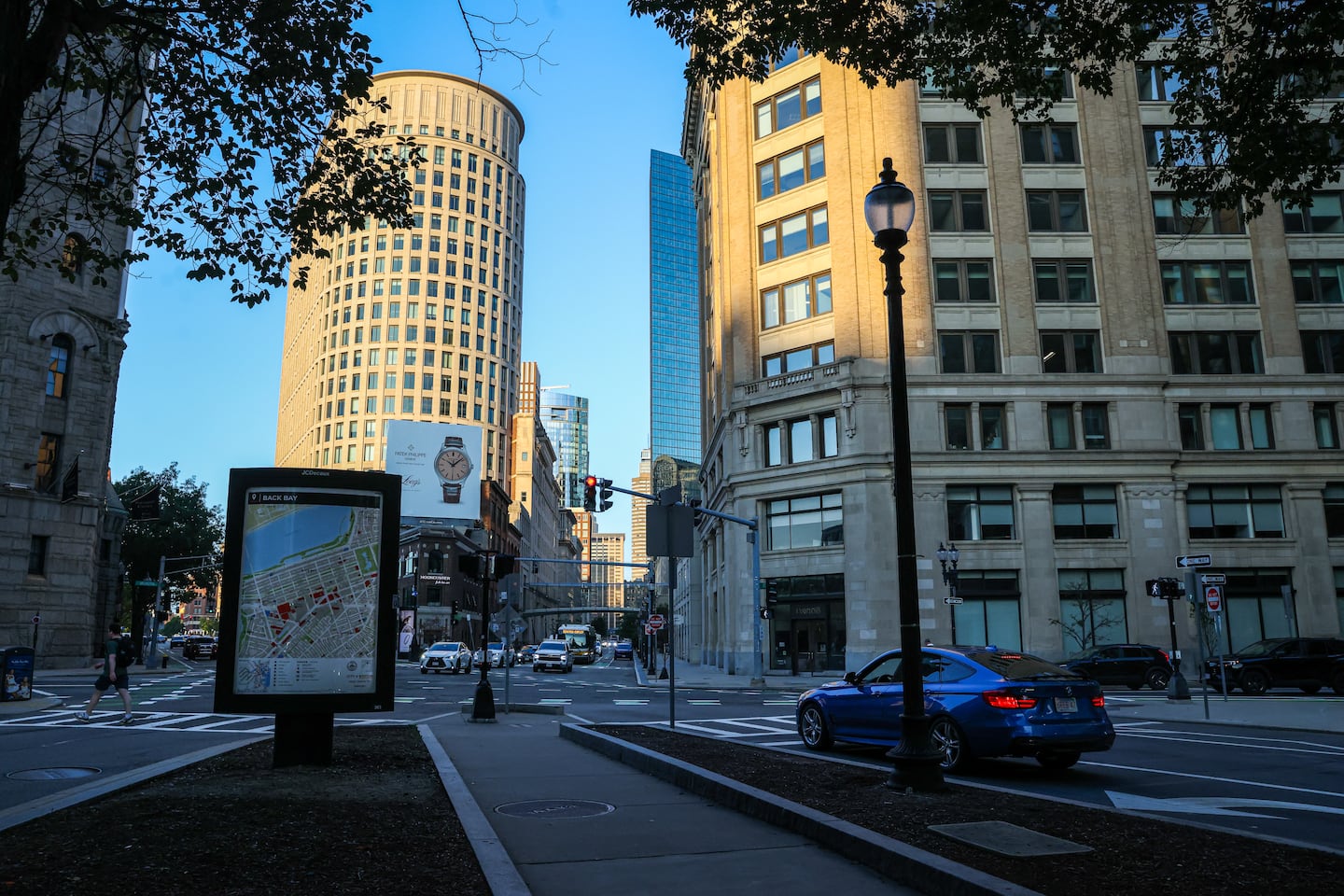 Bisono left Boston early in the morning on Sept. 17. Taylor Coester for The Boston Globe
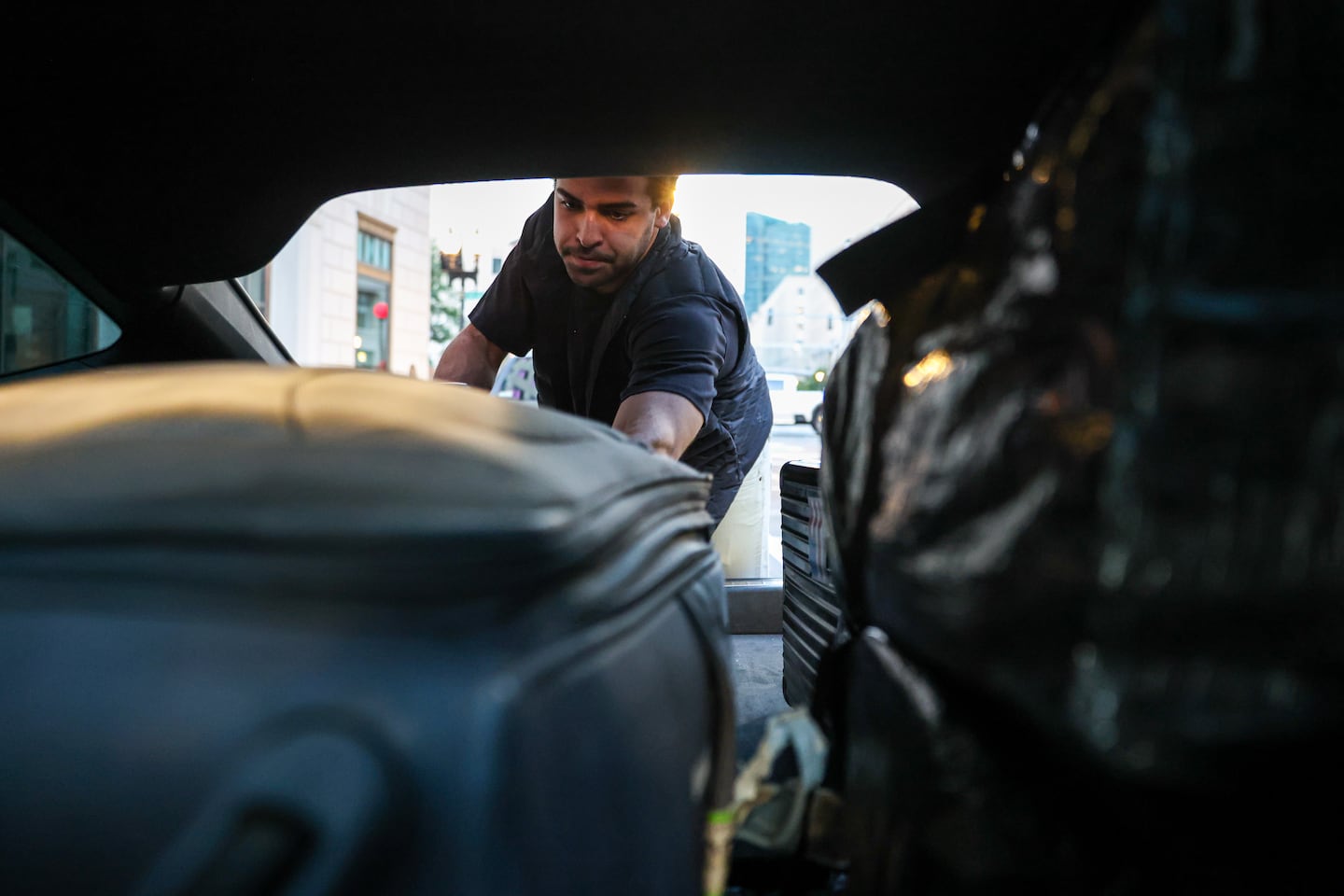 Bisono packed up his car in Boston on the morning of his move.Taylor Coester for The Boston Globe
In Austin, jobs are up, rent is down, and there are cranes in the sky. It built housing at a faster rate than any other major American city between 2015 and 2024, a concerted push that has helped drive down rent prices while they’ve soared in other markets. Austin has also become one of the country’s fastest-growing job markets, expanding in many of the sectors that Boston holds dear, like life sciences and clean tech.
By the numbers, Austin and Boston have similar fundamentals: cities with young, educated, and specialized workforces, anchored in strong research institutions and hospitals. But Austin is growing while Boston is already a “mature, self-sustaining ecosystem,” said Didi Caldwell, a site selection consultant for businesses. It’s getting harder for companies to recruit in expensive coastal cities, she said.
“There’s been a bit of a paradigm shift. It used to be that people moved to locations because of the jobs they had,” Caldwell said. “Now, the companies are moving to where the people are.”
Austin’s advantages were apparent from the 48th floor of Bisono’s new apartment building, as he took in the skyline while standing beside a shallow rectangular pool, stylish striped lounge chairs, and a cluster of verdant monstera plants.
Up here with the skyscrapers, the rooftop oases on puny six-story buildings look like kiddie pools, and the state Capitol building a Monopoly house. The speakers played lo-fi beats. For all this, Bisono’s rent is $500 less than the cost of his tiny studio in Southie.
“If they told me Austin would be like this,” he said with a grin, “I would’ve moved [earlier].”
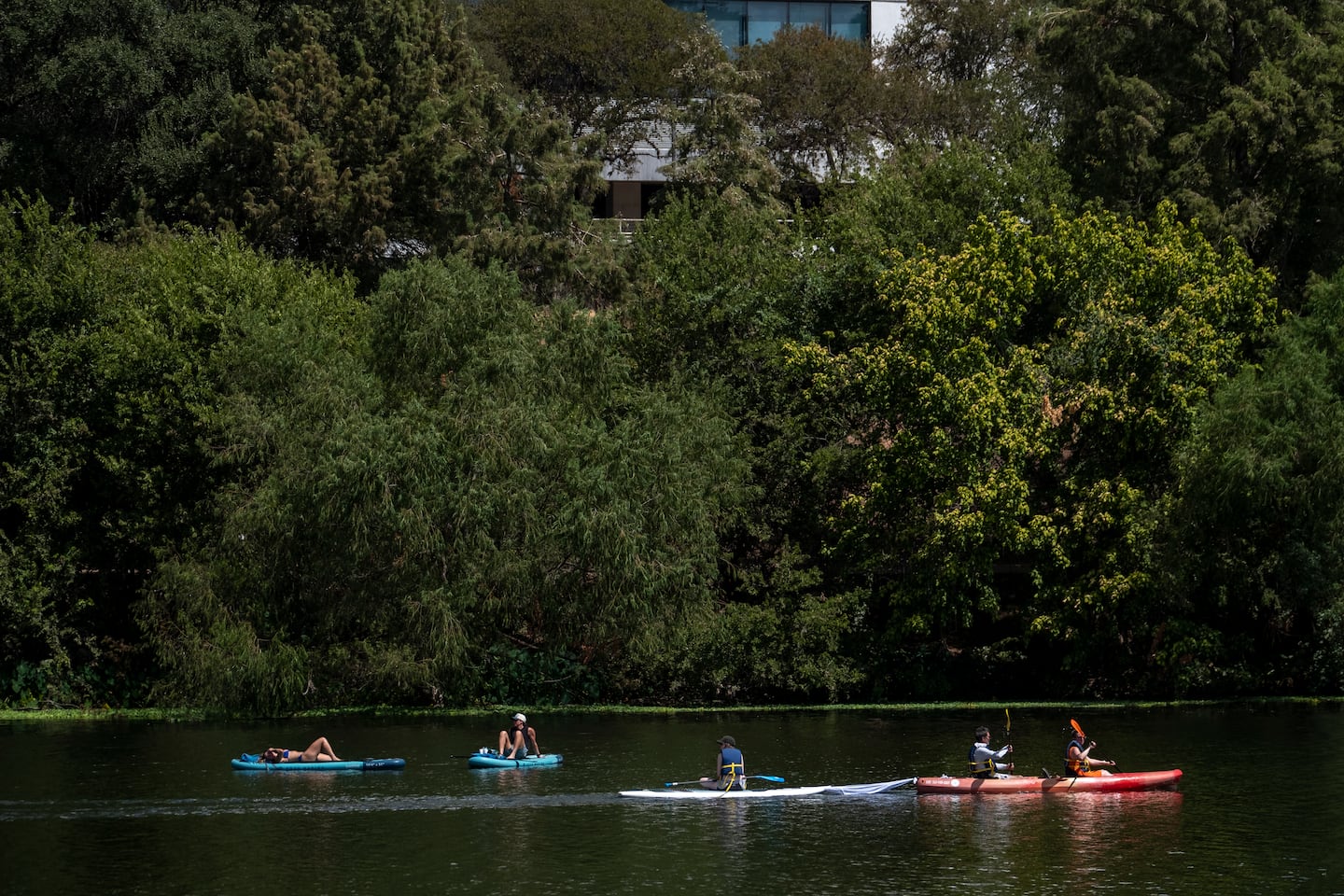 Kayakers enjoyed Lady Bird Lake in downtown Austin.Joel Angel Juarez for The Boston Globe
There are plenty of data-driven explanations for why people like Bisono are fleeing Boston for places like Austin. What’s harder to quantify is the vibes.
What makes this city feel like it’s thriving, feel like a cool place to be? Is it the plentiful food trucks, the reputation for good live music, the way everyone always seems to be paddle-boarding?
Bisono was starting to answer that question as he hit the pavement on his first weekend in Austin. His new apartment is blocks from Lady Bird Lake, along a 10-mile hike and bike trail so picturesque it can turn even the most reluctant into runners. It’s a perfect fit for Bisono, a triathlete training for a 100 km ultramarathon later this year.
He’d thought he might miss his runs along the Charles. Not so far.
There is no ready Boston equivalent to Bisono’s new home on Rainey Street, best described as the perfect place to be 23: a dense expanse of bars and restaurants where you can stay out late dancing, hit a food truck, then start the next morning with a mimosa that includes a full bottle of champagne (served in a stein). Late at night, the music can be heard for blocks, no matter how powerful your white-noise machine.
On Bisono’s first Saturday night in town, as UT won its home game, the streets were awash in burnt orange and inflatable longhorns, and the bars were screening the contest on enormous outdoor screens beneath enormous outdoor chandeliers.
Bisono and Ginebra don’t drink. Still, by Saturday evening, Ginebra was ready to experience some of the city’s nightlife. “I just want to meet people,” he said.
“You want to meet girls,” corrected Niklas Knupper, another friend.
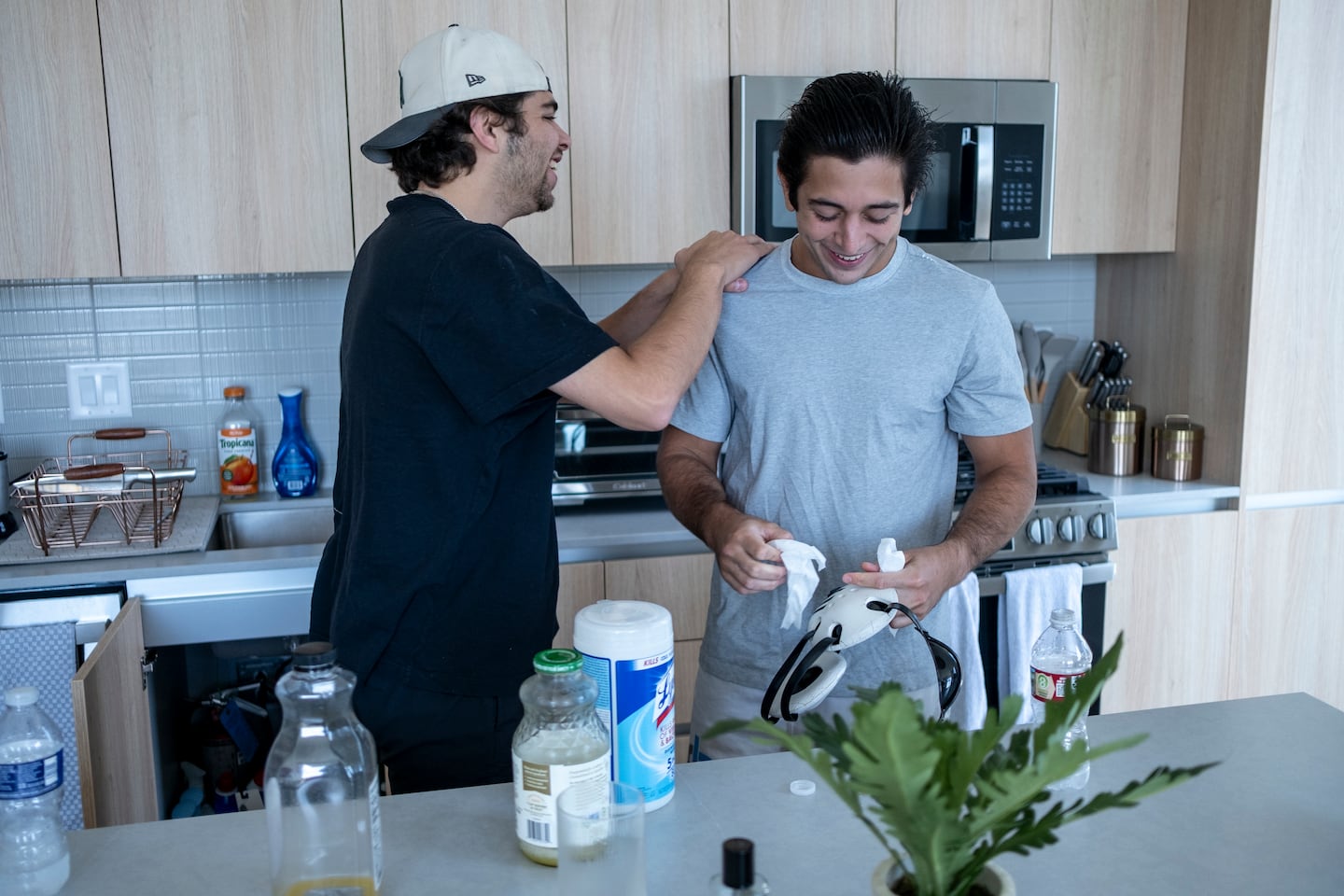 Bisono’s friend, Niklas Knupper, joked with Marino Ginebra at his and Bisono’s new apartment.Joel Angel Juarez for The Boston Globe
Rainey Street didn’t always look this way. As recently as 20 years ago, the neighborhood was a quiet, largely Mexican-American enclave, zoned for single-family homes. Decades earlier, Susana Almanza, 74, attended elementary school nearby, and she recalled a close, welcoming community with safe streets, where kids could play “kick the can.”
“It was an open place, and it was more family-oriented,” she said.
Now, after years of development and regulatory changes, the neighborhood is unrecognizable. Two blocks from where Almanza went to school stands the tallest building in Texas, a combination residential-commercial-office tower of more than 1,000 feet, so high it hurts your neck to look at it from street level.
“It’s been a major gentrification process,” said Almanza, director of PODER, a local social justice organization. “The backlash of all this high development, high-end housing … is the displacement that has taken the place of people who helped build the city and people who have been here for generations.”
Some Austinites joke that the city was perfect the day they arrived and has been getting worse ever since. It’s an acknowledgement that their once sleepy, quirky college town, home to a lively indie music scene and colorful one-story bungalows, has morphed into a glassy urban center, a hub for tech and talent. Austin’s population has more than doubled since 1990.
Austin has been willing to accept the pain that rapid, large-scale housing development can inflict on quiet neighborhoods. The upsides are dramatic: After a COVID-era peak, Austin’s housing costs have started to fall as more and more homes are built. Landlords are dangling discounts to secure tenants — Bisono and Ginebra got 10 weeks free in their luxury building — and asking prices on homes have plummeted.
 People explored South Congress Avenue in Austin.Joel Angel Juarez for The Boston Globe
“Austin has added housing at the fastest clip of any large city over the past decade, and all of that supply pushed up availability rates, so that now landlords have to compete for tenants instead of tenants competing for scarce units,” said Alex Horowitz, a Pew researcher who has studied the city’s policies. “Big picture, Austin has made it easy to build housing, and it used to be difficult.”
Unlike Boston, Austin has eliminated parking minimum requirements for new housing projects citywide. Officials have made it far easier to build accessory dwelling units and allowed multiunit dwellings on almost any lot where single-family homes are permitted. Near the UT campus and a stretch known as “The Drag,” the city has raised the height maximum for buildings to as high as 300 feet, and thousands of new student apartments have sprung up.
“The contrast is awfully clear,” Horowitz said. “Austin has added a lot of housing, and Boston just hasn’t.”
Instead of requiring that a certain percentage of new units be set aside for affordable housing, as Boston does through its inclusionary development policy, Austin offers perks for developers who do so. The carrot works better than the stick because it spurs more construction overall, Horowitz said. Austin led the country in affordable housing construction in 2024, one study found.
“We’re just making it a little bit easier to build, a little bit easier to build, and thankfully, that has taken hold,” said Greg Anderson, director of community affairs at Austin Habitat for Humanity and a former chair of the city’s Planning Commission.
Growth begets growth. As the city has added more housing, it’s also added more job opportunities.
“For decades, people would come to these amazing institutions of higher learning. They had such an amazing experience here, and they’d say, ‘I want to stay here in Austin, but there’s no job,’” said Anderson, who has lived in the city almost 30 years and also teaches at UT.
Now, there’s plenty of work in the city, he said. “They stay here because they finally can.”
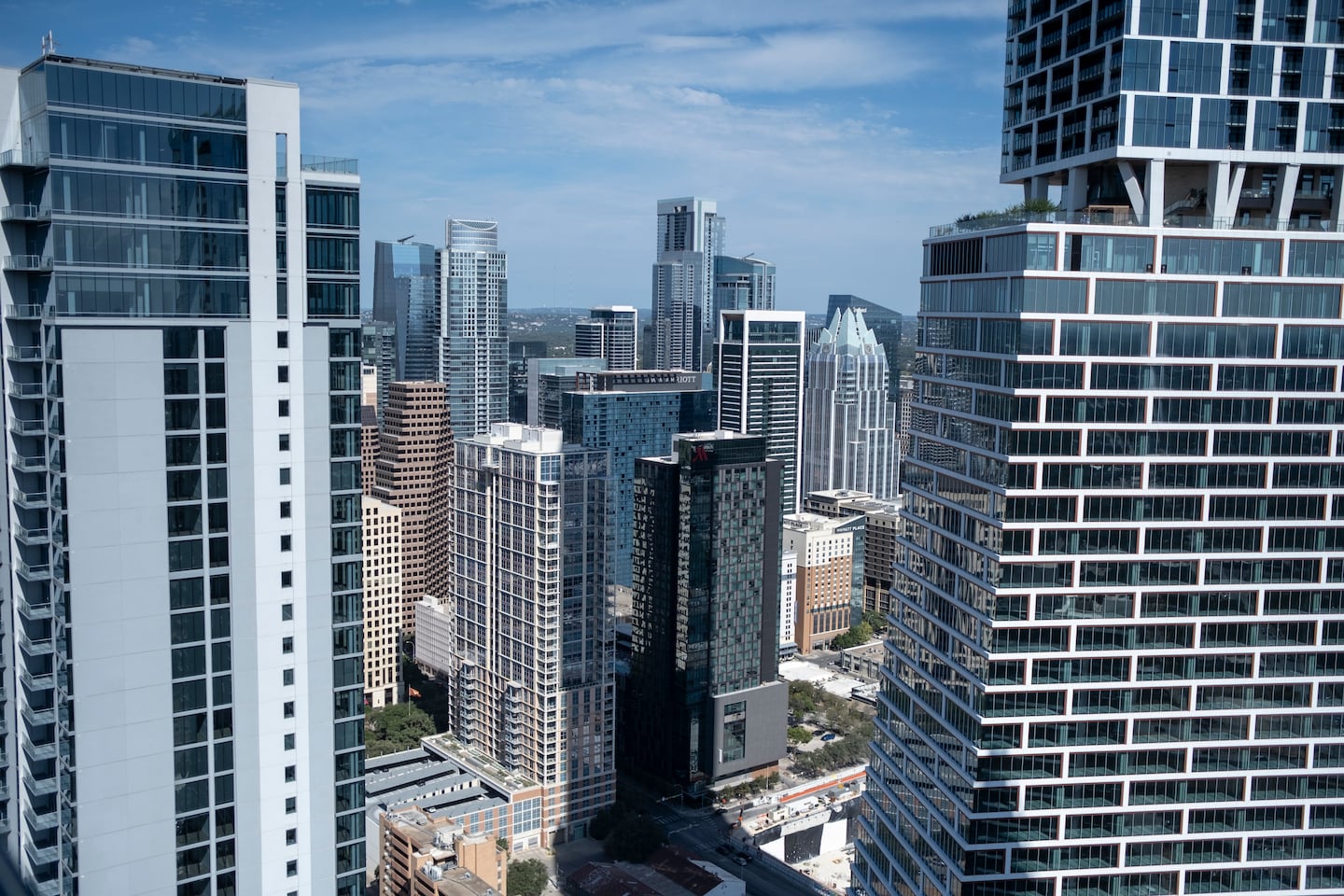 A view of downtown Austin.Joel Angel Juarez for The Boston Globe
Jobs in the Austin metro area have grown 44 percent since January 2016 — compared with 8 percent in Boston — making it one of the country’s fastest-growing local economies. The growth comes from both blue-collar and white-collar roles, largely in prized industries such as tech, life sciences, and advanced manufacturing.
Susan Davenport, head of the economic development agency Opportunity Austin, calls it a little “Texas mecca.”
“We’re the capital city of one of the largest economies in the world … and it’s still growing,” she said. “It’s a really good value proposition.”
Recruiting is top of mind for one of Austin’s growing businesses, Natera, a biotech that was founded in Silicon Valley and has since moved its headquarters to the Texas capital. The company, known for its blood-based cancer testing, has 300,000 square feet of office space and sprawling labs in North Austin, along with a parking lot big enough to get lost in.
Why Austin? Part of it was the cost of the space, much more reasonable than the options in the Bay Area. Texas offered a more business-friendly environment than California, company leaders said. But in relocating, there were also the intangibles to consider.
“We’re gonna need to attract talent to a place. We need to sell people on a town,” chief financial officer Mike Brophy, himself a native Texan, recalled thinking. “You can really sell people on Austin.”
Natera recently expanded here, announcing several hundred new jobs as it builds toward what the company says will be the largest sequencing facility in the world. The company still does much of its high-level research and development in California, and a few top executives work from Massachusetts.
Housing is top of mind as Natera’s executives consider their workforce. When it comes to hiring accountants or shift workers for the lab, “we would never do that in Boston,” Brophy said. “I don’t know where our hourly people would live.”
The median household income in Austin, $94,000, is almost as high as Boston’s $97,000, according to Census data. But in Austin, your dollar goes much farther.
“You work a full shift here, you can buy a house, your kids can go to a decent school,” Brophy said. “Austin is pretty unique in that way — people can live here.”
Driving on the highways in Central Texas, even within 30 minutes of the city, you’ll pass signs for “new homes from the $280s.” In nearby Bastrop, the median home sells for $328,000, according to Redfin. From Boston, it takes a long drive west to find similar prices; Springfield, for one, has comparable home costs.
“At some point, when you’re out in Western Mass., you might as well be in Austin,” Brophy said.
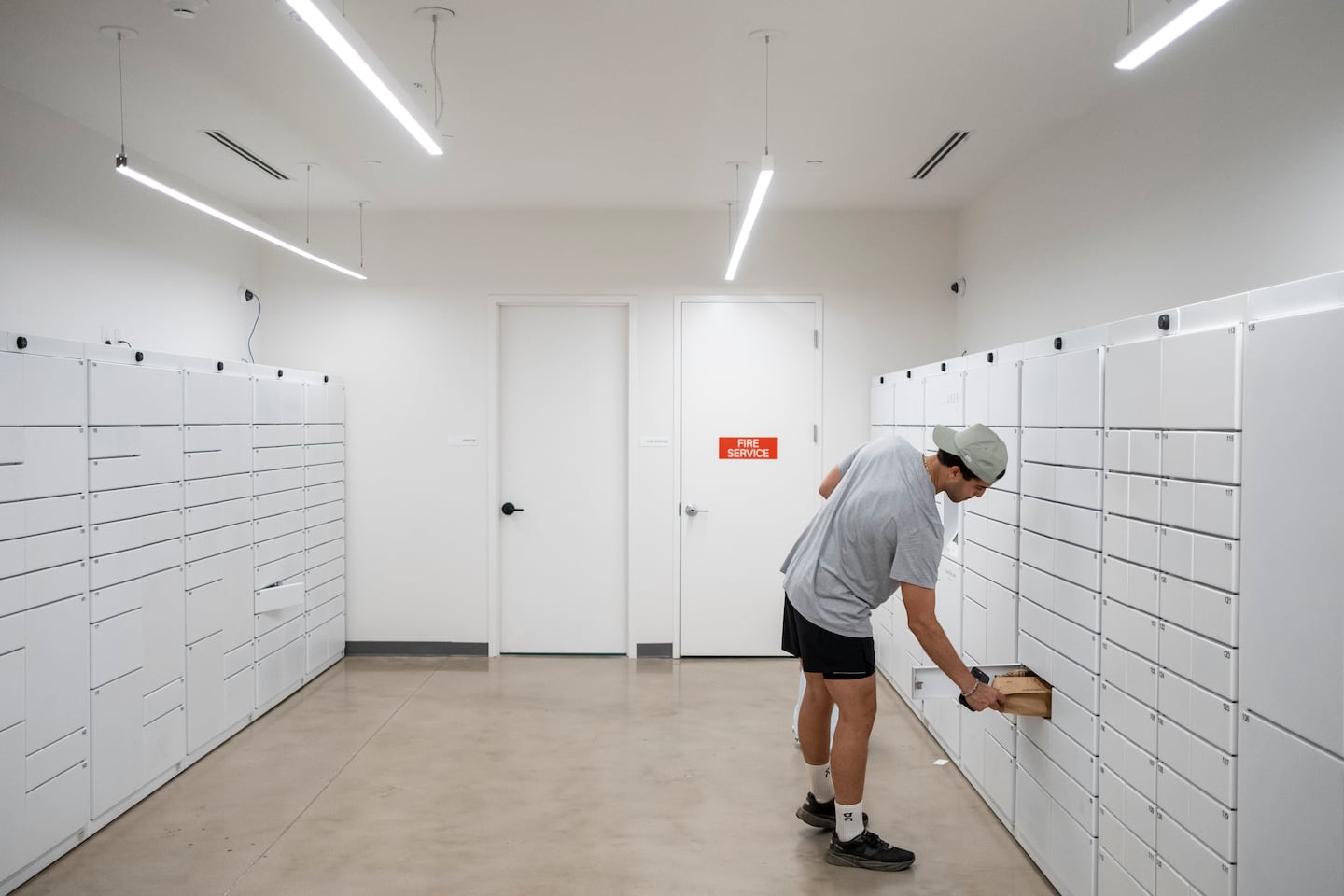 Bisono picked up his packages at his new apartment’s mailroom.Joel Angel Juarez for The Boston Globe
Ginebra and Bisono both stayed with their Boston jobs when they moved to Austin, transferring within their companies. Both see the city as a better place to grow their careers, with options to change companies down the line or to expand their supplement business, TribeX.
“I’m an entrepreneur,” Ginebra said. “I want to build a great business out here and meet really great people.” He said many supplement brands like theirs are based in Austin, and he expects to benefit from networking and lower Texas taxes. The weather — more similar to the climate in the Dominican Republic, where both men grew up — didn’t hurt, either.
If moving to a new city is like jumping into cold water, Bisono and Ginebra seem to be adjusting just fine. They’ve made a home in their 18th floor apartment: a flatscreen resting against the brick wall; a balcony to drink their orange juice on; a large cabinet by the front door dedicated to packages of their supplements.
At Barton Springs that Saturday afternoon, the pool was a perfect dark turquoise, and swimmers lounged on the cement sides or floated on inner tubes in the deep end. Bisono and Ginebra made friends with a couple of other guys after Ginebra, a jiu jitsu devotee, recognized one as a fellow fighter. Soon, they were all chatting about the supplement brand. The pair seem to meet people everywhere they go.
When the conversation ended, Bisono grappled briefly with Ginebra, finally muscling him into the cold, clear water. Then he jumped right in, too.
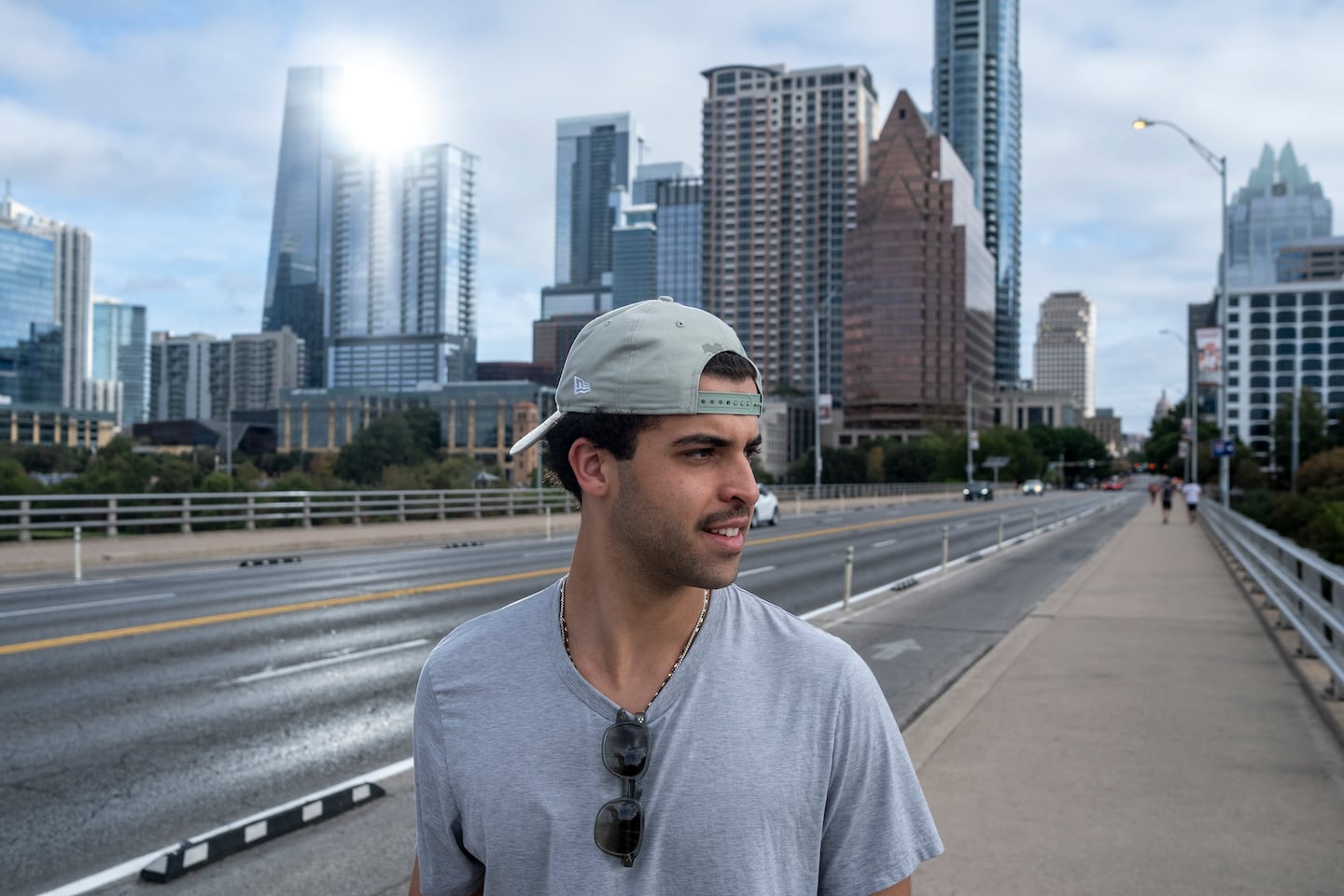 Bisono walked along the Congress Avenue Bridge, with the city’s skyline as a backdrop.Joel Angel Juarez for The Boston Globe
Emma Platoff can be reached at emma.platoff@globe.com. Follow her @emmaplatoff.