
In the fall of 2026, Texas State University will offer its first-ever Bachelor of Fine Arts in Cinematic Arts, the culmination of 15 years of work that began with the late professor Tom Copeland. Until now, film studies has existed only as a concentration within the theater major.
Copeland spent an entire career outside education, including a decade leading the Texas Film Commission, before he ever taught a class. For much of his career, Copeland was known for his ability to round up talent and land major film productions. Those were skills that would guide his philosophy when he joined the university faculty.
A Texas State alumnus with a theater degree, Copeland expected to teach a course on the business of film. Instead, he built an entire program that now enrolls more than 300 students. Although he retired from teaching in 2022 and passed away in 2024, the program still reflects the philosophy he brought to the classroom.
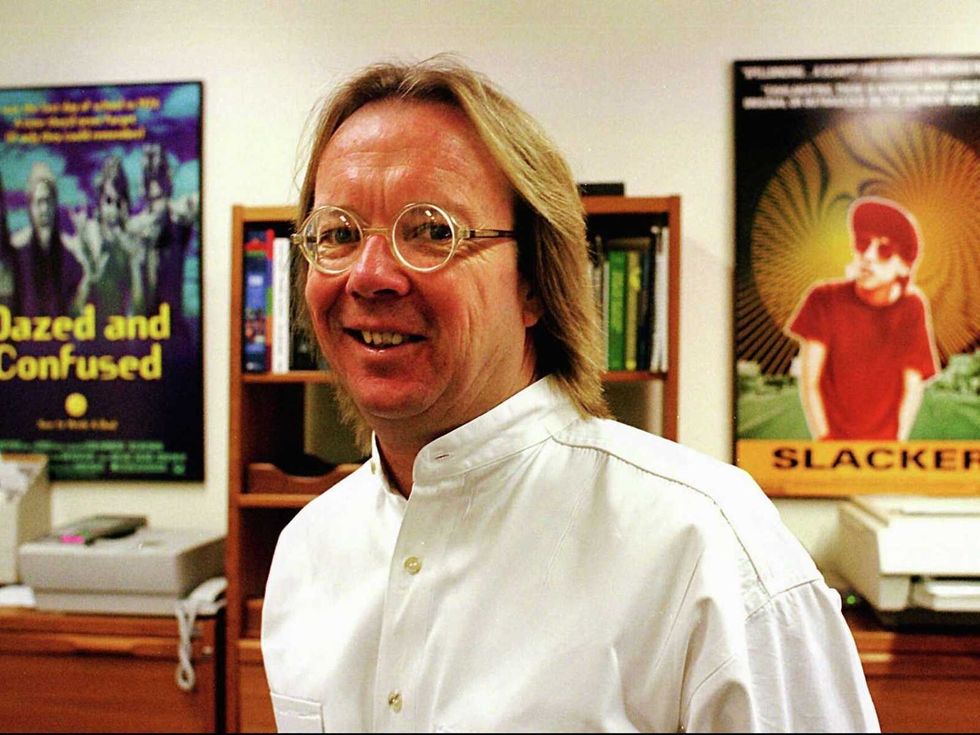 Tom CopelandPhoto courtesy of Texas State University
“A lot of film programs are focused on directing,” said Deb Alley, former chair of the Department of Theatre and Dance, who worked closely with Copeland. “Tom would say, ‘You might go into directing, or you might go into props, sound, or writing. There are a thousand different things you might go into, and the best way to find your passion is to understand all the parts that go into making that happen.’”
That practical, skills-based approach continues to define the program today. It reflects Copeland’s own story. Copeland graduated from Texas State in 1974, intending to be an actor, but it was hard to land a role. Then he heard about a new show called Austin City Limits that needed a makeup artist. That was Copeland’s foot in the door.
“Tom’s focus was on training students to come out of the program ready to work in the Texas film industry,” said Bryan Poyser, a filmmaker and Texas State instructor who taught alongside Copeland. “He gave them a chance to work their way up from the bottom, just as he did when he came out of Texas State.”
Alley calls Copeland an unexpected gift to the department, one who recognized and expanded on the talent that was already there.
“We didn’t really have a focus on film, and then Tom got sort of gifted to us by the governor,” Alley said. “The governor called and said, ‘Hey, this guy’s retiring, and you need to give him a job.’ He started very small, with only two classes, and it grew from there.”
Copeland also created his own succession plan. In 2017, he recruited Johnny McAllister, formerly with the Austin Film Society, to build the infrastructure for a formal film degree. That included the construction of the $10 million Live Oak Hall, which now serves both the film and communication programs. The facility includes a soundstage, TV studio, recording and mix rooms, editing labs, and a Foley room for sound effects.
 Live Oak hallRendering courtesy of Texas State University
Before Live Oak Hall opened in 2019, film classes were squeezed into the old Theater Center — the red, glazed-brick building surrounded by a moat on what had once been a fish hatchery site, Poyser said.
“Getting that building was a big deal because we were already at capacity,” Poyser said. “Our equipment room was literally a closet in the green room, packed to the rafters.”
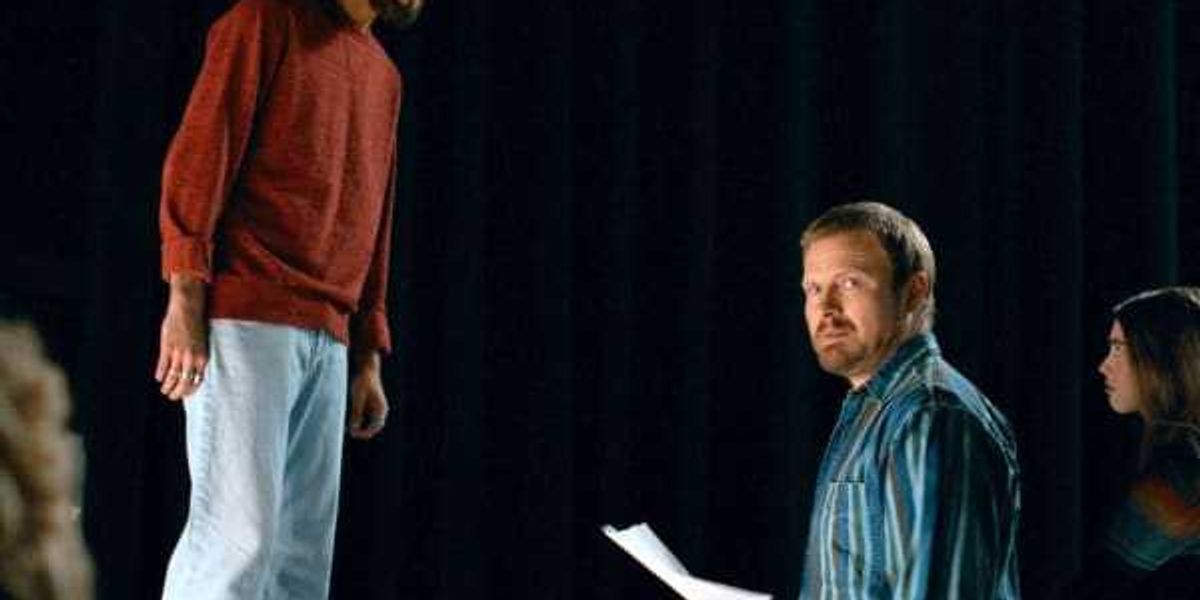
Live Oak’s soundstage later became a key filming location for Leads, a feature film Poyser wrote and directed with the help of local professionals and dozens of current and former film students. The movie, about an acting professor and her wayward brother, was shot chronologically and largely improvised, scheduled around university classes during the 2023-24 school year.
“There were 37 people who worked on the movie who came to New York City for the debut at the Tribeca Film Festival in June,” Poyser said. “Most of them paid their own way. Even some who worked on the movie for a single day said, ‘I’m there.’”
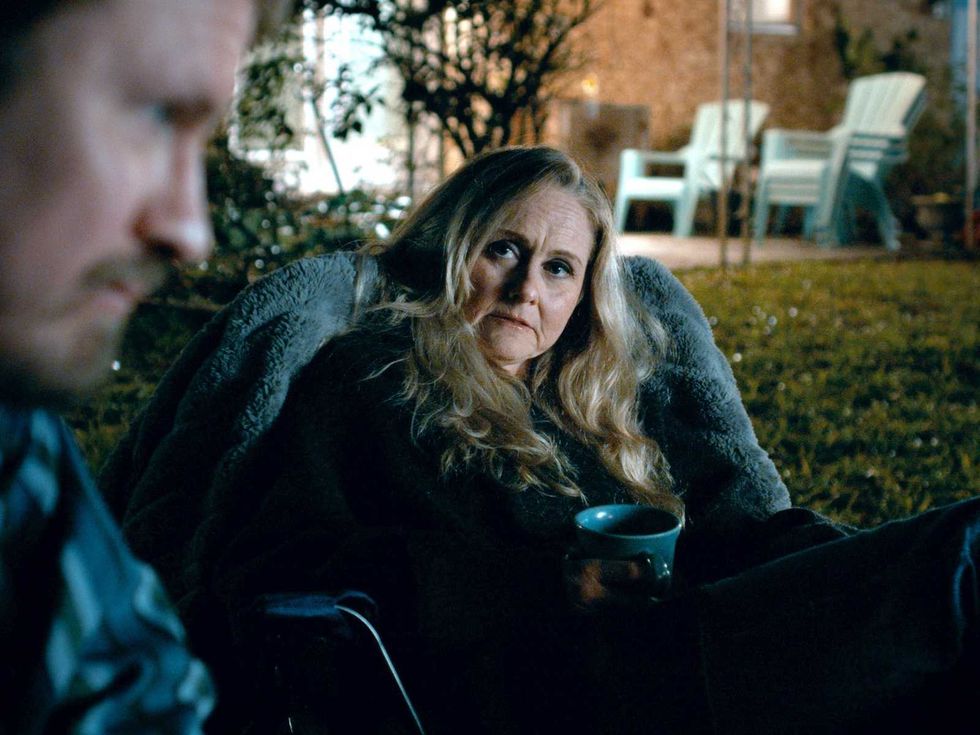 Justin McDonald and Heather Kafka in a scene from Leads, which made its debut at the Tribeca Film Festival in June. Film still from Leads
McAllister estimates about 300 students are enrolled in Texas State’s current film program, with 18 faculty members teaching film courses. When the new degree launches, introductory theater requirements will be reduced, additional courses will be added, and students will choose from six concentrations: screenwriting, directing, producing, cinematography, production design, or post-production and sound.
Students interested in the degree will first enroll as pre-film majors, taking foundational classes before applying to the program. McAllister estimates the faculty could eventually grow to two dozen, with enrollment reaching about 450 students.
For incoming freshmen in any field of study for spring 2026, Texas State’s application deadline is November 15, 2025.