
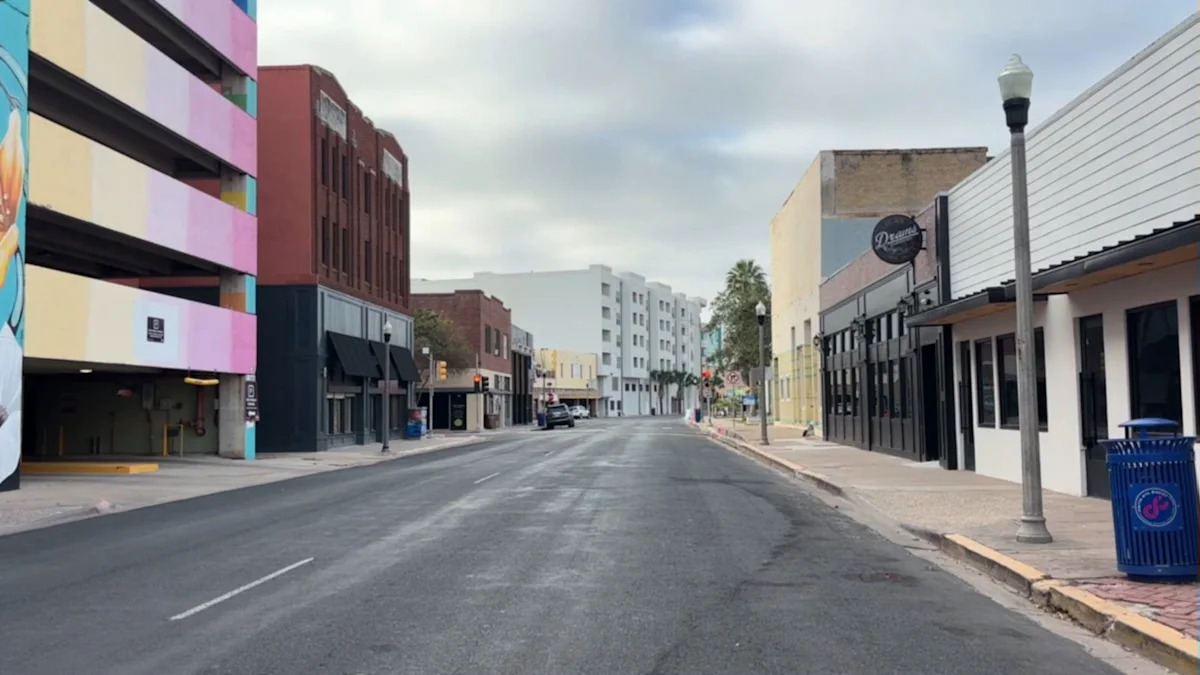
Corpus Christi’s downtown has seen more than $200 million in investment over the past decade, and business owners hope a program that helped fuel that growth will continue for another 20 years.
The Downtown Tax Increment Reinvestment Zone, or TIRZ, has provided financial incentives for redevelopment projects across downtown. The program is scheduled to expire in December 2028, and discussions about extending it are expected to begin next year.
David Foster, owner of Dram’s Bourbon Bar at 605 N. Mesquite St., said downtown incentives helped him transform a building that had sat vacant for about 30 years into a new business. Foster received more than $520,000 in downtown incentives for the project.
“I think we’re going to revitalize Mesquite,” Foster said. “Especially with a couple of other spaces we own next-door, we’ve leased one and we’re about to lease another one. I think just the revitalization of downtown is very important to keep downtown and Mesquite going and flourishing.”
Arlene Medrano, executive director of the Downtown Management District, said the project is an example of the investment the TIRZ was created to encourage.
Medrano said the number of vacant buildings downtown has dropped from 31 to seven as redevelopment efforts have continued.
“So, we have seen over $200 million in investment in downtown using $20 million of TIRZ funds over the last 10-plus years,” Medrano said.
That amounts to about $10 in investment for every $1 in TIRZ funding, Medrano said.
Foster said continuing to invest in downtown programs is important to keep redevelopment moving forward and help small businesses succeed.
“They just need to keep investing into programs like the TIRZ and keep things going, not stop where we are right now, because small business is the heart of any city and the heart of any city is downtown,” Foster said.
Medrano said extending the TIRZ would give downtown another 20 years to build on the progress made so far, as business owners look to redevelop additional vacant buildings.
Discussions about the program’s future are expected to begin next year, ahead of its scheduled expiration in December 2028.