
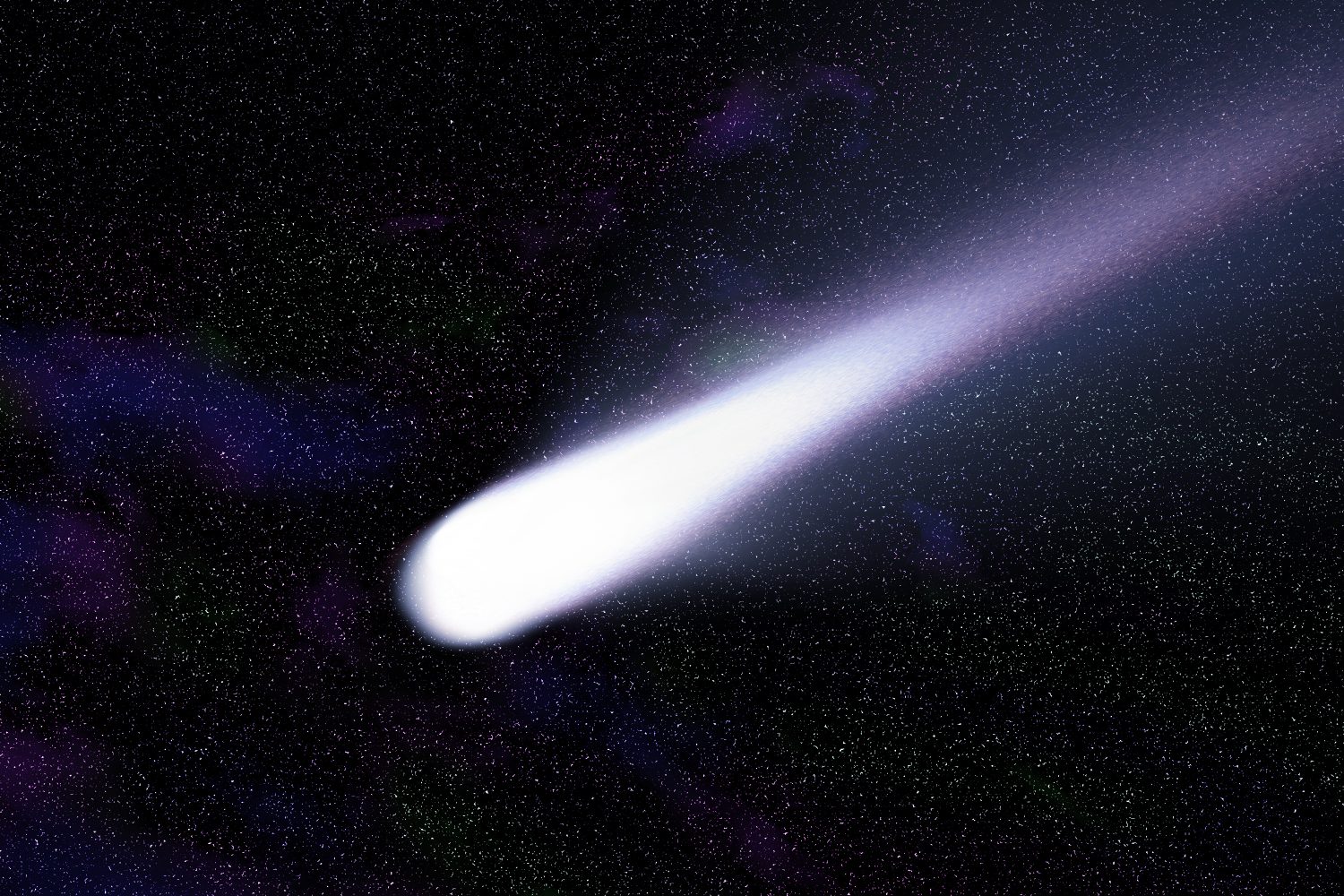
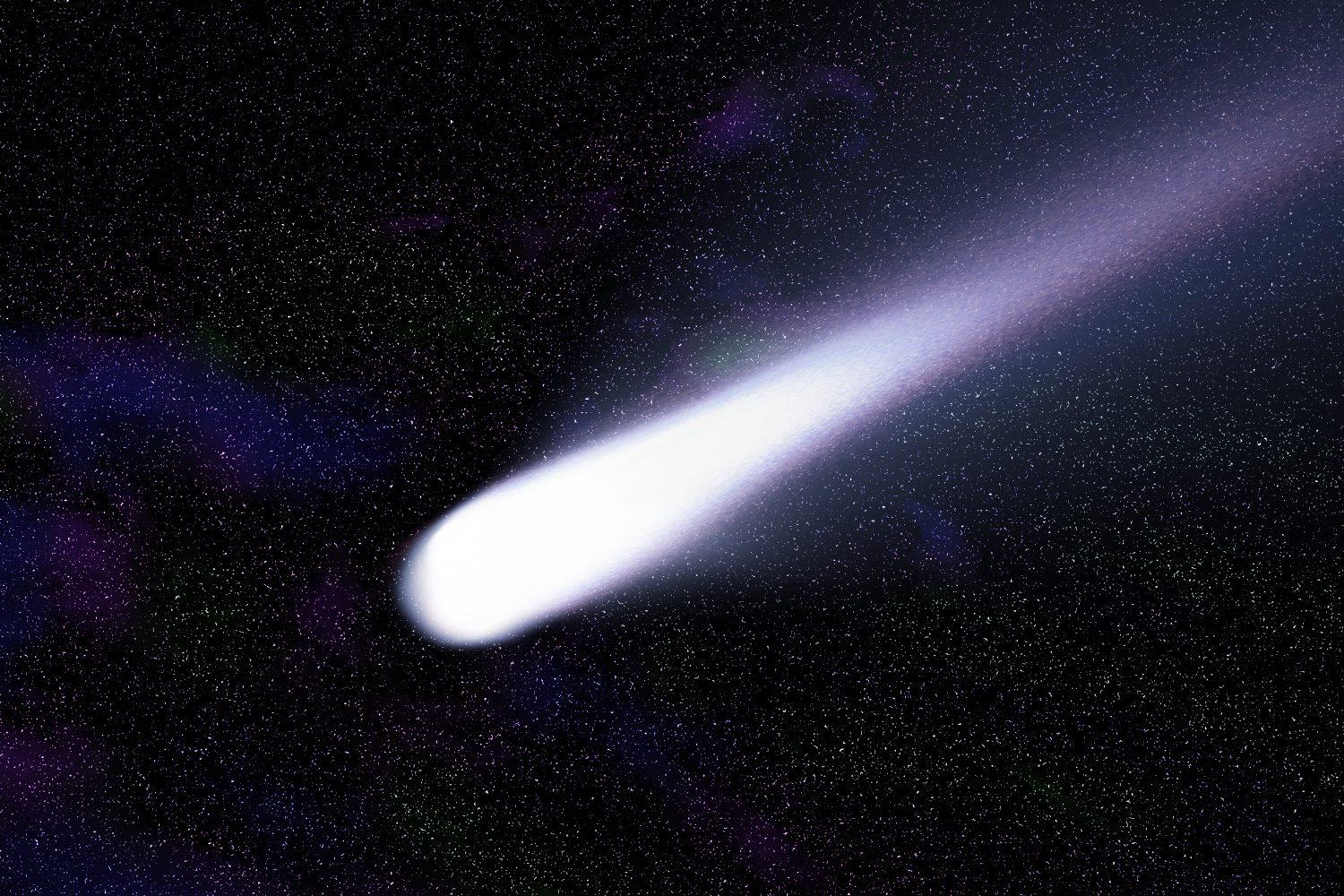
Comets and meteor showers light up the North Texas night sky.
Adobe Stock
The urban sprawl of Dallas-Fort Worth might not seem like an obvious hub for stargazing, but there are actually a few really great spots for vivid star sights.
In the late hours between Oct. 21 and early morning hours of Oct. 22, you have another chance to catch a meteor shower: the Orionid Meteor Shower, which takes place around the same time each year. You should, in theory, be able to view the Orionid meteor shower from your backyard, according to UTA Planetarium Director Levent Gurdemir.
“Any bright meteor will be bright enough to catch the eye, even in city-light conditions,” he tells the Observer.
Intentional stargazing, however, may offer a more scenic background. Dallas skyline staples like the Omni Dallas Hotel, the Bank of America Plaza and Reunion Tower render the billions of stars that the glow nearly invisible. Depending on how far you’re willing you travel, you may even glimpse the star-dusty backdrop of our galaxy.
Sign up for the Arts & Culture newsletter to get the latest stories delivered to your inbox
THANK YOU!
You’re all set.
CLOSE
UTA Astronomy Lab Coordinator James Davis — who takes in “the outdoor sights often,” according to UTA physics professor Dr. Nilakshi Veerabathina —recommends nearby parks.
“I also once went to the Thurber area, which might be a bit far out,” Davis says. “I got some nice shots of the 2019 comet and the Milky Way.”
Davis also has high hopes for Palo Pinto Mountains State Park, which recently opened 75 miles west of Fort Worth in March of this year.
Since the Orionid will peak between 3 a.m. and dawn, we recommend locations with in-town campgrounds, so you don’t have to make the long trek back home late at night — what you do after the shower is your business. On average, these spots sit less than two hours outside of Dallas and have a light pollution rating ranging from red to green, where violet shows high light pollution and dark blue shows nearly none.
Ray Roberts Lake State Park
Distance from Downtown Dallas: Less than 60 miles
Average travel time: Between one hour to one hour and 40 minutes
Light pollution rating: Red
The night sky over Lake Ray Roberts provides a speckle of sparkle in the dark, like white paint flung from a brush. The Texas Parks & Wildlife Archive states that Ray Roberts Lake State Park’s Isle du Bois unit once hosted regular stargazing parties, where one of the group’s volunteer astronomers claimed that attendees could not only see Jupiter but also “Neptune, Uranus, the Orion Nebula and the Pleiades (or “Seven Sisters”) Cluster.”
Lake Mineral Wells State Park
Distance from Downtown Dallas: About 85 miles
Average travel time: Between one hour and 15 minutes to two hours and 10 minutes
Light pollution rating: Yellow
Beyond walking trails and campgrounds, Lake Mineral Wells State Park also offers rock climbing, though attendees can only explore routes through a park-approved guide. You can reach for the sky from a cliff edge before the sun sets, then you can gaze up at the sky afterward. In 2025, park visitors saw the many hues of the Aurora Borealis — yes, even all the way down here in Texas.
Dinosaur Valley State Park
Distance from Downtown Dallas: About 80 miles
Average travel time: Between one hour and 20 minutes to two hours and 10 minutes
Light pollution rating: Yellow
The bonus of attending Dinosaur Valley State Park in Glen Rose, is that, whether you’re looking up or down, you’re taking in history. From the starlight that reaches us years after it twinkles to the dinosaur footprints preserved in the soil, this place has deep roots. During the day, learn about the dinosaurs that once roamed right here in Texas, and after setting up camp, recline under the open sky or at the amphitheater, which presents more than a few specks of light from space.
Palo Pinto Mountains State Park
Distance from Downtown Dallas: Less than 100 miles
Average travel time: Between 1 hour and 50 minutes to 2 hours and 30 minutes
Light pollution rating: Green
As the park farthest from Downtown Dallas on this list, Palo Pinto Mountains State Park has the darkest night skies. While the park itself only opened recently, the Palo Pinto Mountains themselves are far from new. In October 2024, the park’s Instagram account shared a photo from Sundog Art Photography, taken over the Palo Pinto Mountains at night that captures the Milky Way in crisp view.
Other parks that you may consider exploring include:
Possum Kingdom State Park in Caddo, Texas
Cooper Lake State Park in Sulphur Springs, Texas
Lake Tawakoni State Park in Wills Point, Texas
Lake Cisco Campground in Cisco, Texas
Cross Timbers Primitive Campsite in Gordonville, Texas
Dallas recently enjoyed an interruption to its 67-day rain-free streak, and with that comes the possibility that rain or cloudy skies may impair your ability to see the Orionid meteor shower later this month. The Cleark Dark Sky chart can help you plan your outing.
Happy stargazing!