
Houston Public Media/Melissa Enaje
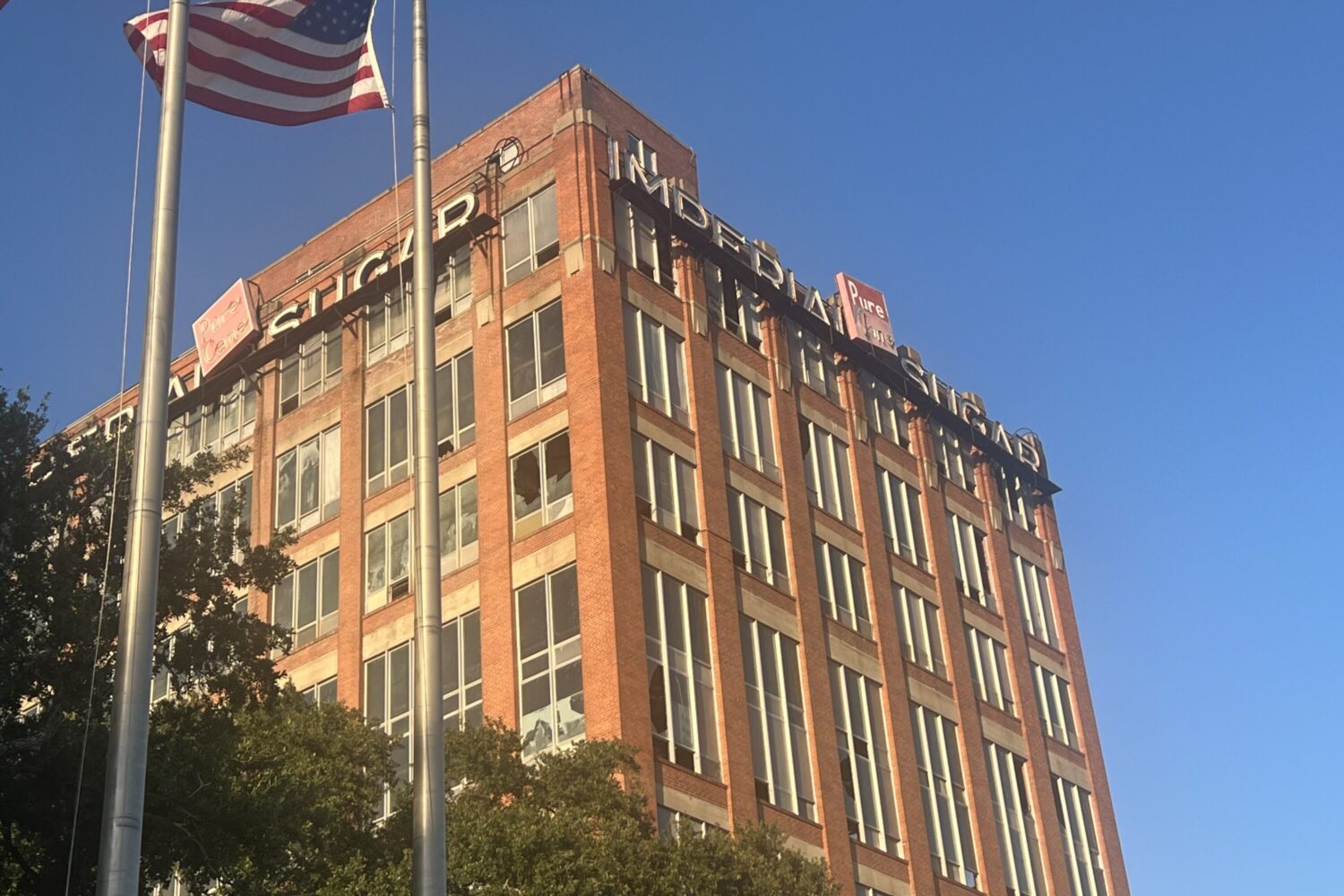
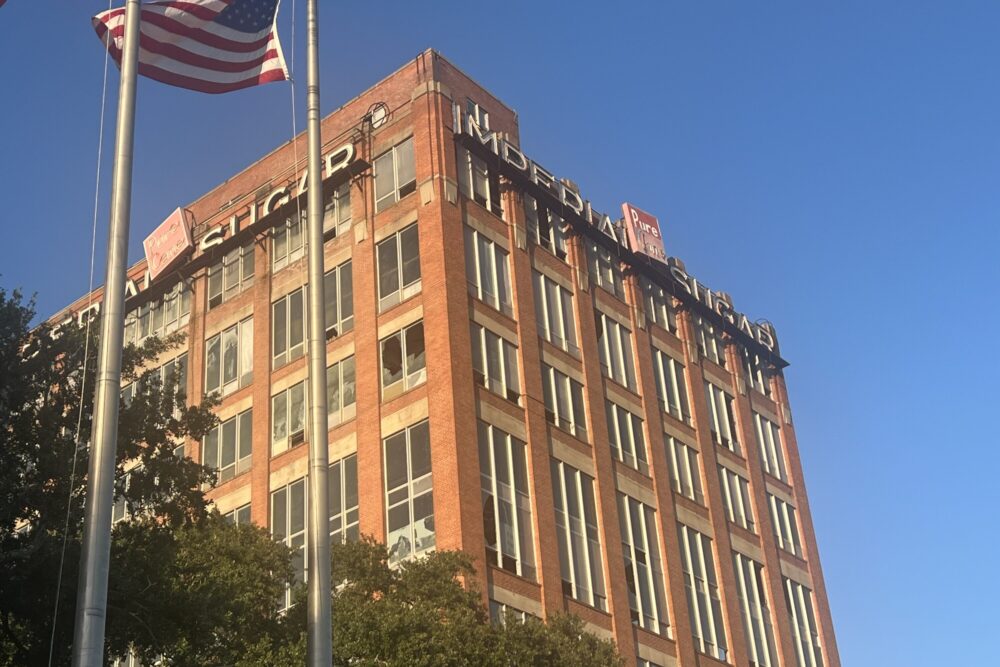
Pictured with several windows missing is the historic Imperial Sugar Char House in Sugar Land, Texas, on Oct. 20, 2026.
The Sugar Land City Council approved a $15 million infusion of future sales tax revenue on Tuesday to fund revitalization efforts for one of the city’s historic landmarks, the Imperial Sugar Char House.
“This has been a desire for this community for 20 years to preserve this structure and eventually redevelop the Imperial Sugar site,” Director of Redevelopment Devon Rodriguez said. “We are taking huge, bold trailblazing steps in making that happen.”
Tuesday’s unanimous vote awarded the multi-million-dollar construction contract to Bellows Construction to preserve the char house. Sugar Land, located southwest of Houston, was a town built around the operations of Imperial Sugar in the early 1900s. The historic char house was built in 1925 and continued operating until the refinery closed in 2003.
Sign up for the Hello, Houston! daily newsletter to get local reports like this delivered directly to your inbox.
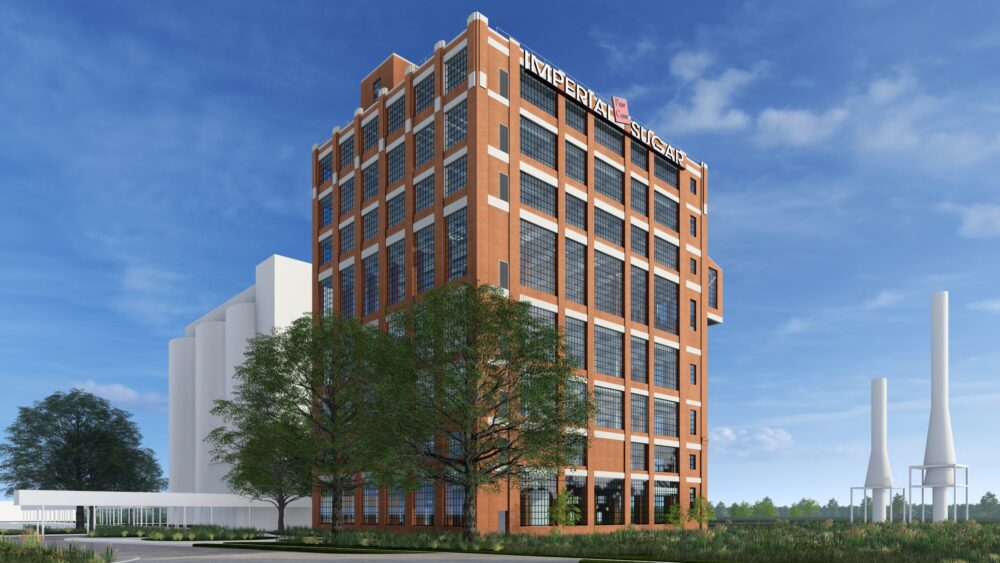
The major undertaking addresses a long-standing community goal to protect the structure for future use. Work on the char house includes constructing a new roof, structural repairs to the building’s exterior walls, as well as steel and masonry repairs, and mechanical and electrical improvements. The historical Imperial Sugar signage will also be restored on the building. City officials anticipate construction beginning in December with an estimated completion date of around May 2028.
Rendering courtesy of Urbano Architects
The city’s investment means advancing extensive preservation work on the century-old Imperial Sugar Char House, a historic city landmark, while preparing the site for future redevelopment work.
Council member Sanjay Singhal raised concerns about investing in the building without ensuring it is structurally sound for future redevelopment use.
“It would be quite bad if you put this money and we find some structural defect,” Singhal said.
Assistant City Engineer Robert Wilson said they’ve already completed structural assessment on the building.
“The building is a very large steel structure that is surrounded with brick and masonry,” Wilson said. “So it is a very strong building and it is built on a very strong foundation.”
Wilson said alongside annual maintenance on the building, the new roof and windows will help give an extra 20-30 years to the facility.
“We anticipate that building will be in place for a very long time,” he said.
The move signals the city’s momentum on broader redevelopment on the Imperial Sugar site since acquiring the Imperial Historic District in 2025. The vote continues a comprehensive preservation plan for the char house after it sat vacant for years. Many private owners and developers have tried to revitalize the area and restore the building over the recent years, with little success, as previously reported by Houston Public Media.
Houston Public Media/Melissa Enaje
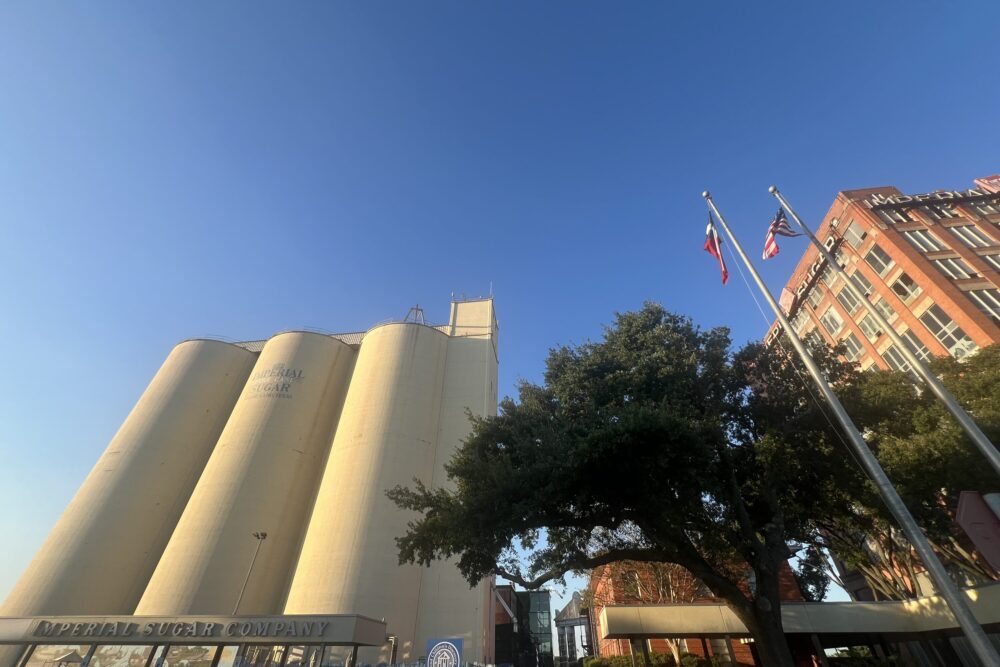
The char house was built in 1925 and continued operating until the refinery closed in 2003.
Urbano Architects was selected to lead on design efforts for the preservation project. Representatives from the Houston-based architecture firm said in a statement that a groundbreaking is anticipated in November and that planned improvements will align with Texas’s Historical Commission standards, which could make the site eligible for future historic tax credits to help offset future development costs and reduce the need for public funding.
Taxpayers won’t be directly funding the bulk of the project, Rodriguez said. The $15 million construction contract will be paid for through a $50 million certificate of obligation the city issued in 2025 to acquire the property, along with revenue from designated sales and hotel occupancy taxes earmarked for economic development.
Sugar Land has experienced expansive growth over the years as well as advancement in other long-term city projects including the Lake Pointe Redevelopment District, a 70-acre mixed use development site, has left the city with less than 4% of developable land remaining, according to officials.
Rodriguez addressed councilmembers’ concerns on what the end-goal will be for this historical site. She said they’re still reviewing proposals to select a master development partner for the project. City officials expect to share more details early next year, after which negotiations with the selected partner would take place.