
 Woman shares how she avoided falling for jury duty scam
A woman is going viral on social media after she shared how she nearly fell victim to a jury duty scam in Harris County. FOX 26’s Sakura Gray spoke to the woman and shares how you can keep an eye out for scam calls like this.
HOUSTON – Imagine receiving an urgent phone call from someone claiming to be a local law enforcement officer, telling you that you missed jury duty and face hundreds of dollars in immediate fines. One Houston-area resident nearly fell for that exact high-pressure scheme — and her viral cautionary tale is serving as a stark warning for residents across Greater Houston.
A High-Pressure Trap
What they’re saying:
Jaylin Jackson had recently been involved in a car crash. So when her phone rang and the caller ID displayed “Harris County Sheriff’s Office,” she naturally picked up, expecting an update.
Instead, a fake deputy claimed she had missed a mandatory jury summons and now owed two citations totaling $700.
The impersonator gave step-by-step payment instructions, keeping Jackson trapped on the line for 44 agonizing minutes before she realized the entire interaction was a scam.
“He was preying on the fact that I don’t want to be in trouble,” Jackson said. “I don’t get in trouble, so I don’t have experience with being in trouble.”

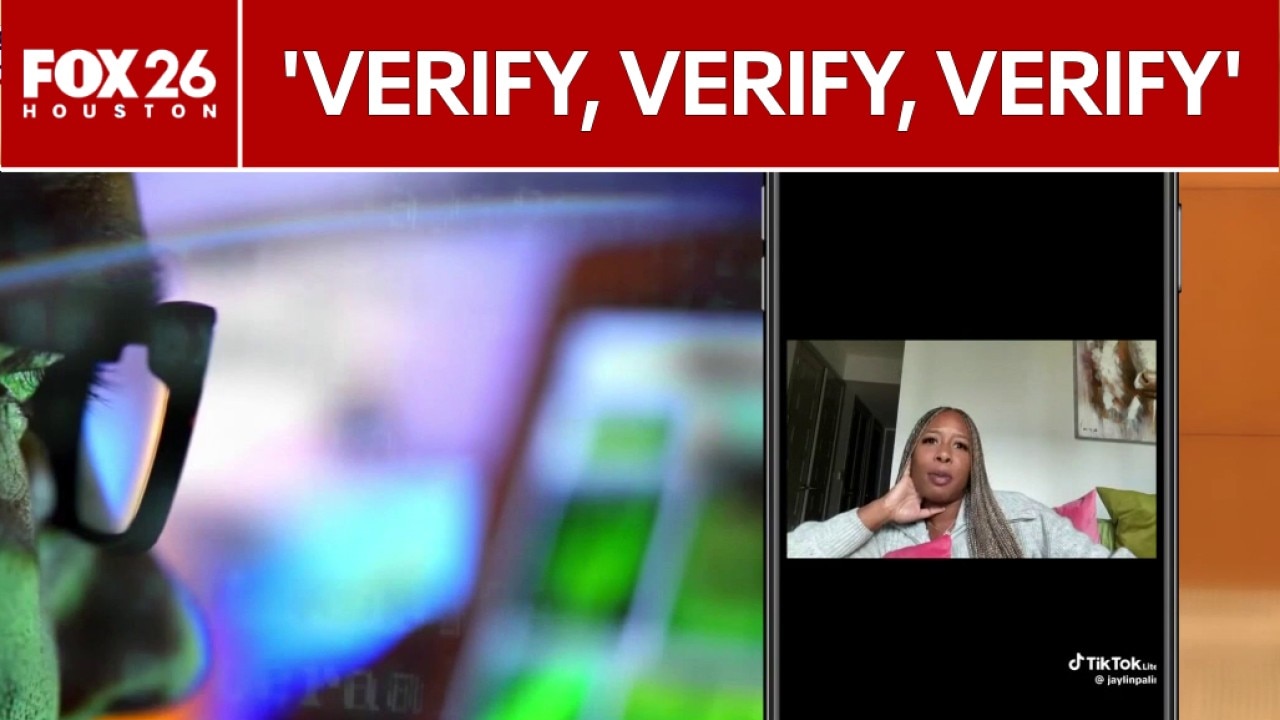
Jackson posted her experience on TikTok to warn others, documenting her conversation with legitimate authorities.
Jackson’s video quickly went viral, racking up more than 300,000 views. Several commenters revealed they had received identical calls — with some reporting they had lost thousands of dollars to the scam.
“I’m glad I didn’t get scammed ultimately, and I’m glad that I asked all the questions that I asked because that’s what was helpful for me making the video,” Jackson said. “I can really help people see what the signs are that they should be looking for.”
Everyone is vulnerable: The spoofing threat
Why you should care:
While many picture scam victims as vulnerable or elderly, Jackson’s story proves otherwise: she is a lawyer. Yet even with a legal background, the fake caller ID number made her second-guess herself in the moment.
Scammers use caller ID spoofing technology to display official government phone numbers on your screen, exploiting instant trust before victims have time to verify the caller’s identity.
According to Carolina Petriciolet, Director of Spanish Media Relations & Public Affairs with the Better Business Bureau (BBB), high-pressure demands over the phone should trigger immediate suspicion.
“Even the most computer-savvy, even the smartest consumer… sometimes they can reel us in and really get us entangled in all of this and confuse you,” Petriciolet warned. “So it’s best to just say, ‘Hey, where are you calling me from? Give me that number and I will do my research,’ and hang up.”
What the Harris County Sheriff’s Office wants you to know
The other side:
The Harris County Sheriff’s Office emphasizes that real law enforcement officers will NEVER:
Call or text demanding instant cash payments, wire transfers, Zelle, or gift cards.Demand immediate payment for missed jury duty over the phone.Send photos of warrants or legal documents demanding money. 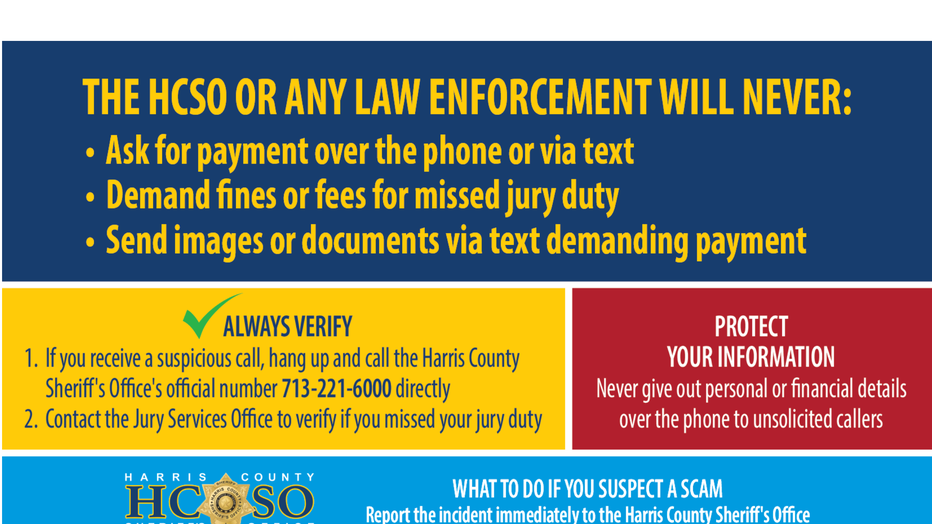 How to Protect Yourself
What you can do:
Never trust Caller ID aloneHang up immediately if threatened with fines/arrestVerify directly by calling HCSO at 713-221-6000Contact Jury Services directly at 713-755-6392Report fraud to the FTC at ReportFraud.ftc.gov
If you receive a suspicious call, hang up immediately and contact official court or law enforcement numbers directly. If you have already lost money to a scammer, file a police report with local authorities and report the fraud to the Federal Trade Commission.
The Source: This report is based on on-camera interviews with Houston resident Jaylin Jackson and Carolina Petriciolet, Director of Spanish Media Relations & Public Affairs with the Better Business Bureau. Additional information, scam warnings, and official verification procedures were provided directly by the Harris County Sheriff’s Office and public consumer fraud guidelines from the Federal Trade Commission.
Crime and Public SafetyNewsHarris CountyTechnologyTop Stories