
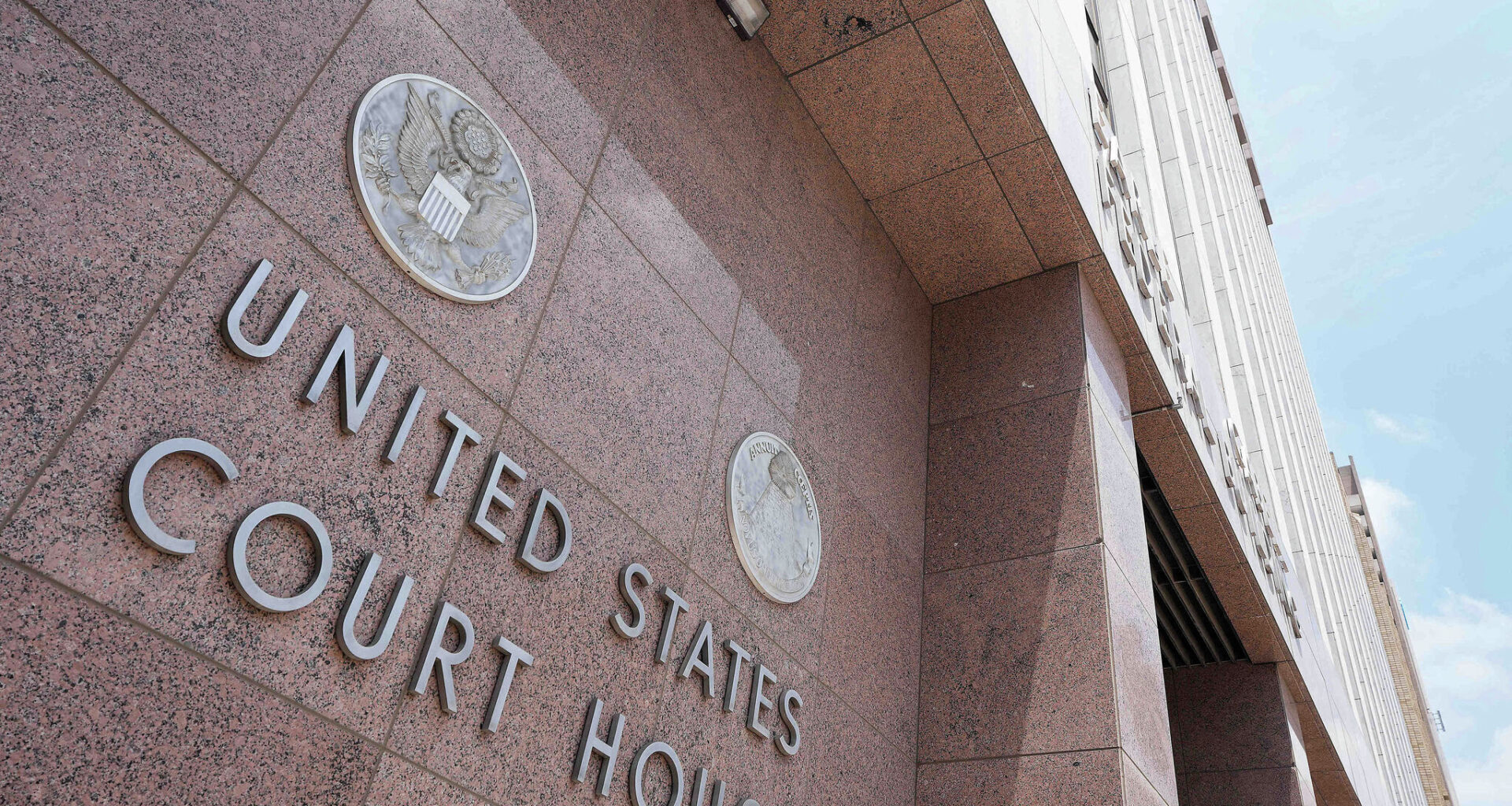
One week from today, U.S. District Judge Ada Brown of Dallas will be required to face questions under oath about allegations that she has abandoned her post as a federal judge, made racial insults to judges and court staff, and treated other judges and staff in an unprofessional manner.
Earlier this week, the federal judicial council of the U.S. Court of Appeals for the Fifth Circuit committee released 17 pages of documents that officially confirm that Brown is under investigation, that the judicial council is moving forward with misconduct proceedings against her and is requiring that she appear for an interview under oath Oct. 30.
The documents include an official order filed by Fifth Circuit Chief Judge Jennifer Elrod that state that Brown failed or refused “to communicate with her chambers staff or otherwise manage her docket” and engaged “in demonstrably egregious and hostile treatment of others by making aberrant and inappropriate comments, including racial insults.”
“Based on the committee’s investigation and observations of Judge Brown’s behavior, the committee determined that there is a reasonable basis to conclude that Judge Brown suffers from a mental condition that currently interferes with her ability to perform the responsibilities of her office,” Elrod wrote in the six-page order dated Sept. 29.
“[Brown] instructed her staff to ‘stop work on anything you are doing for me.’ Other than recusal notices and three arrest warrants, Judge Brown has issued no orders since August 10, 2026. She ignored the committee’s inquiry regarding the date on which she plans to return to work and what authority permits her to refuse to return to work.”
The Texas Lawbook reported Oct. 12 that Northern District Chief Judge Reed O’Connor has stripped Brown of her docket and redistributed all of her civil and criminal cases to other judges.
Brown did not respond to phone calls and emails seeking a response.
“Based on the information referred to me by the committee and described above, I find probable cause to believe Judge Brown has engaged in misconduct that is beyond the specific pending complaint,” Elrod wrote. “Specifically, I find that there is probable cause to believe Judge Brown has: treated other judges and judicial employees in a demonstrably egregious and hostile manner in violation of JC&D Rule 4(a)(2)(B); created a hostile work environment for judicial employees in violation of JC&D Rule 4(a)(2)(C); refused, without good cause shown, to cooperate in the investigation of the pending complaint in violation of JC&D Rule 4(a)(5); habitually delayed rendering decisions in a significant number of cases in violation of JC&D Rule 4(b)(2); and abandoned her docket in violation of JC&D Rule 4(a). Informal resolution is not feasible at this time.”
On Oct. 1, Elrod issued an official complaint against Brown to the judicial council. In doing so, she cited a previous complaint filed by a lawyer appearing in Brown’s courtroom and laid out the timeline for the judicial council’s actions.
“On May 14, 2026, an individual filed a complaint against Judge Brown pursuant to 28 U.S.C. § 351(a), alleging, among other things, that Judge Brown made inappropriate and hostile comments toward the individual during a hearing and that Judge Brown may be suffering from a mental condition that renders her unable to discharge the duties of her office,” Chief Judge Elrod wrote. “On May 28, 2026, I invited Judge Brown to respond to the allegations in writing by July 3, 2026. On June 29, 2026, Judge Brown requested an extension of time to file her response, and I extended the deadline through July 17, 2026. On June 30, 2026, Judge Brown informed me of her intent to resign her position and advised that there was ‘no longer any need’ to file a response to the complaint. I immediately requested that Judge Brown speak with me, but she declined my request.”
“On August 24, 2026, Judge Brown again advised me of her intent to resign effective October 1, 2026. I again requested to discuss her decision, but she declined. On September 1, 2026, Judge Brown rescinded her intent to resign.”
“In addition, the Committee during its investigation learned that for several years Judge Brown habitually and unduly delayed ruling on motions and routinely closed cases with pending motions so that such cases did not appear on her Civil Justice Reform Act list. This dereliction has led to a significant backlog of undecided motions, matters awaiting hearings and trials, and other matters that require immediate judicial action.”
For a longer version of this article and links to the official investigative documents related to Judge Ada Brown, please visit TexasLawbook.net.