
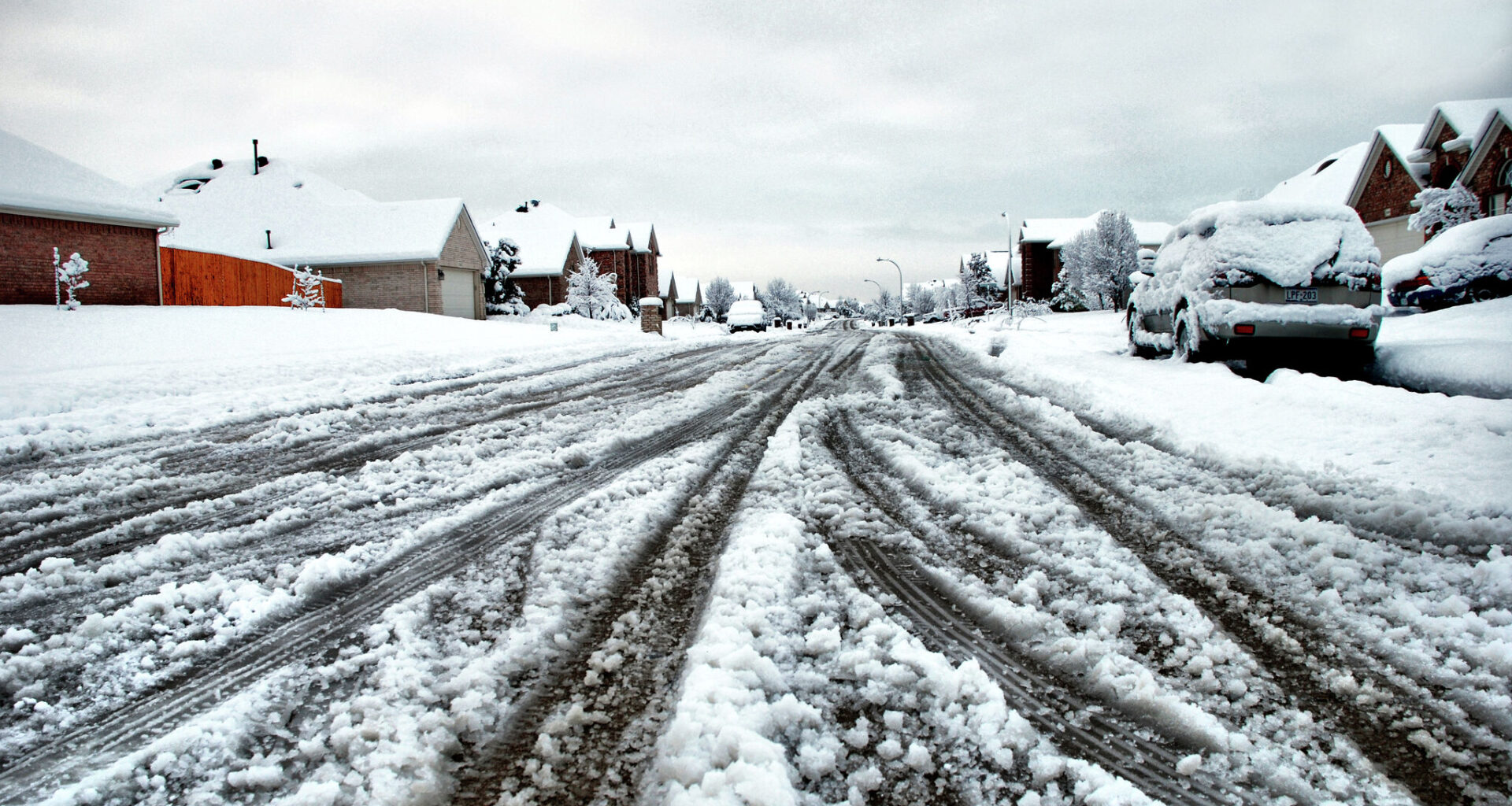
For months, forecasters have warned of a potentially hectic fall and winter in Texas as unseasonably warm Pacific waters push the subtropical jet stream south. This usually means much more rain during what can be a drier fall and winter. In places up north, like the Texas Panhandle, it can also mean snowier winters.
Now, Paul Pastelok, lead long-range forecaster and senior meteorologist with AccuWeather, tells MySA that snow could reach northern Texas cities after the first week of November. Or, in general, snowfall could arrive before the historical average of December 5.
“El Niño does not impact the timing of the first measurable snowfall. El Niño may lead to increased rainfall and higher frequency in November and December, the transition into winter. However, colder air masses depend on other variables, and the mix of them can create the second important factor, which is cold air,” Pastelok said. “It is difficult to get cold air in place in mid-fall, but it can happen, but El Niño is not the main driver for early cold.”
For now, he says snow likely won’t reach the Texas Panhandle until after the first week of November, or even later in the month as winter arrives. For cities further south, such as San Antonio or Houston, a strong El Niño season could reduce the chances of ice or snow.
All hope for a snow day in North Central Texas isn’t lost, according to Pastelok. A snowpack could develop in the Central Plains, pushing cold air into Texas later in the winter season. But he says it’s unlikely in the most recent models.
“I do feel the chances increase this winter for the Panhandle. With a very strong El Niño comes higher confidence that snow will fall across the Panhandle,” Pastelok said. “There are other teleconnections that point to a separate storm track from the south-central Rockies through the central Plains, including the Panhandles of Texas.”
However, the odds of snow falling any sooner than in other years don’t seem likely. Texans living up north toward Oklahoma can expect winter precipitation to follow its usual schedule, from late November into early December. But they should brace for more snowfall thanks to this oceanic weather phenomenon.