
The city of Fort Worth will receive $1 million after settling a lawsuit with the city of Willow Park. Fort Worth and Aledo sued the city earlier this year after a developer used a state law to leave Fort Worth and instead chose annexation by Willow Park, located just west of Fort Worth.
Fort Worth City Council voted unanimously to approve the terms of the settlement on Tuesday, Oct. 27, clearing the way for the developer to build in Willow Park.
The lawsuit stems from a state law passed in 2023 that allows any landowner to leave a city’s extraterritorial jurisdiction (ETJ), which is a sphere of influence that extends out from a city’s actual borders. Essentially, the ETJ allows a city to call dibs on the future annexation of land. The new state law, however, makes it more difficult for cities to maintain their territory.
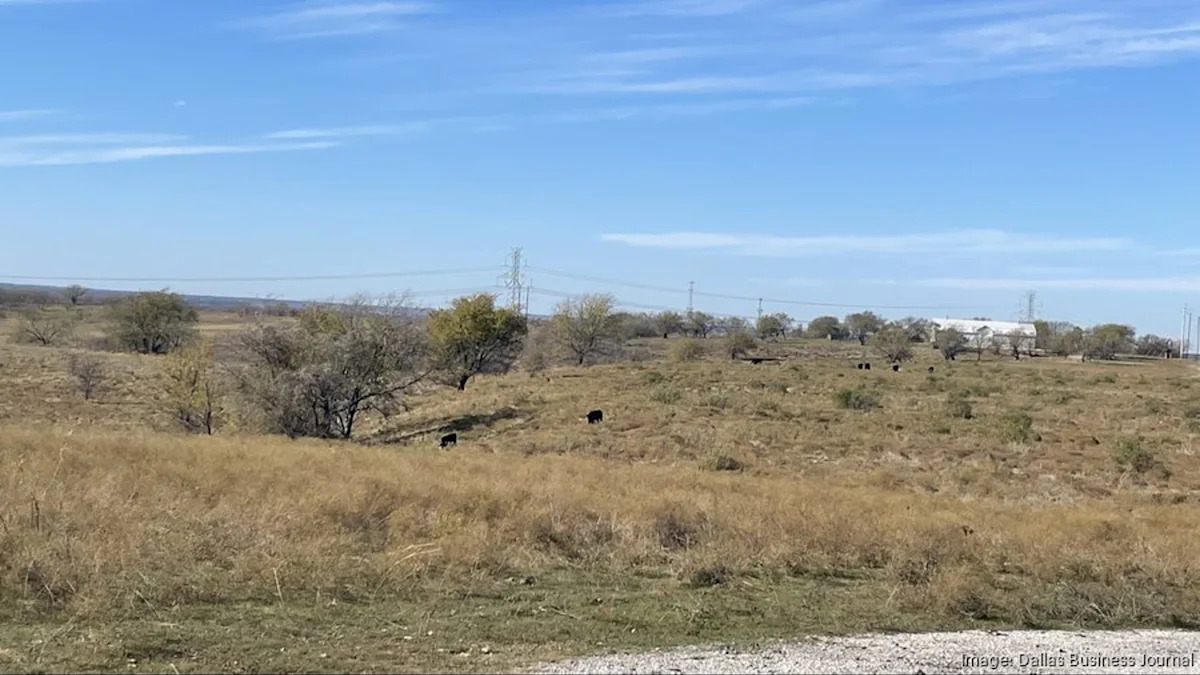
Some developers are taking advantage. In 2025, Robert Beall discovered a problem with the 321 acres of land he purchased in Fort Worth’s ETJ near Interstate 20 and Bankhead Highway. He wanted to build a mixed-use development to serve the rapidly expanding suburbs nearby, but the city of Fort Worth didn’t have the infrastructure in place to make it happen, WFAA reported.
So, he left. Beall spoke with bordering cities Aledo and Willow Park to determine how quickly they could provide the infrastructure he needed to start building. He found that Willow Park, a small town of about 9,000 people, was willing to provide the water and wastewater resources he needed to get the project started within the next decade.
RELATED: Why would a North Texas developer opt out of being part of the nation’s fastest-growing big city?
Several months after the de-annexation was finalized, Fort Worth and Aledo filed a lawsuit alleging Willow Park violated Texas annexation law. After the initial lawsuit was filed, Beall-Dean Ranch Ltd, the company backing the development, intervened in the lawsuit and Parker County was added as a defendant.
The city of Fort Worth alleged that Willow Park unlawfully annexed the Beall property and then retroactively annexed the Bankhead Highway right-of-way to comply with state law, which requires any annexed land to be contiguous to the limits of any city, the lawsuit states. This amounted to Willow Park annexing land that was already held by other municipalities, Fort Worth and Aledo argued.
The settlement agreed to by Aledo, Willow Park and Fort Worth states that in exchange for a $500,000 payment from Willow Park and the developer of the land in question, Beall-Dean Ranch Ltd., Fort Worth agreed to release the land from its Extraterritorial Jurisdiction, the city said.
“The cities of Willow Park, Aledo and Fort Worth are pleased to announce resolution of all claims involving boundary disputes between the cities,” the cities said in a joint statement. “Final boundaries between Willow Park, Aledo and Fort Worth have been agreed upon, and the lawsuit between the cities has been resolved. The cities look forward to a mutually cooperative relationship in the future.”
The settlement allows Willow Park to annex the Beall-Dean Ranch and the nearby right-of-way, the city said. It also releases any future challenges to the Willow Park Ordinances raised in the lawsuit and releases any challenges to Willow Park’s water and sewer Certificates of Convenience and Necessity.
Willow Park sources its water from Fort Worth.
All three cities involved, Fort Worth, Aledo and Willow Park, also agreed not to expand their respective ETJs or city limits in a manner that violates the mutual boundaries established in the settlement.
In WFAA’s 2025 coverage of the de-annexation, Dana Burghdoff, assistant city manager with the city of Fort Worth, called Beall’s decision to leave the city’s ETJ as “unfortunate.”
“That’s an important gateway for Fort Worth,” Burghdoff said. “What’s next? Other property owners might say, ‘Now I’m curious to see what Willow Park or Aledo or another city could offer me.'”