
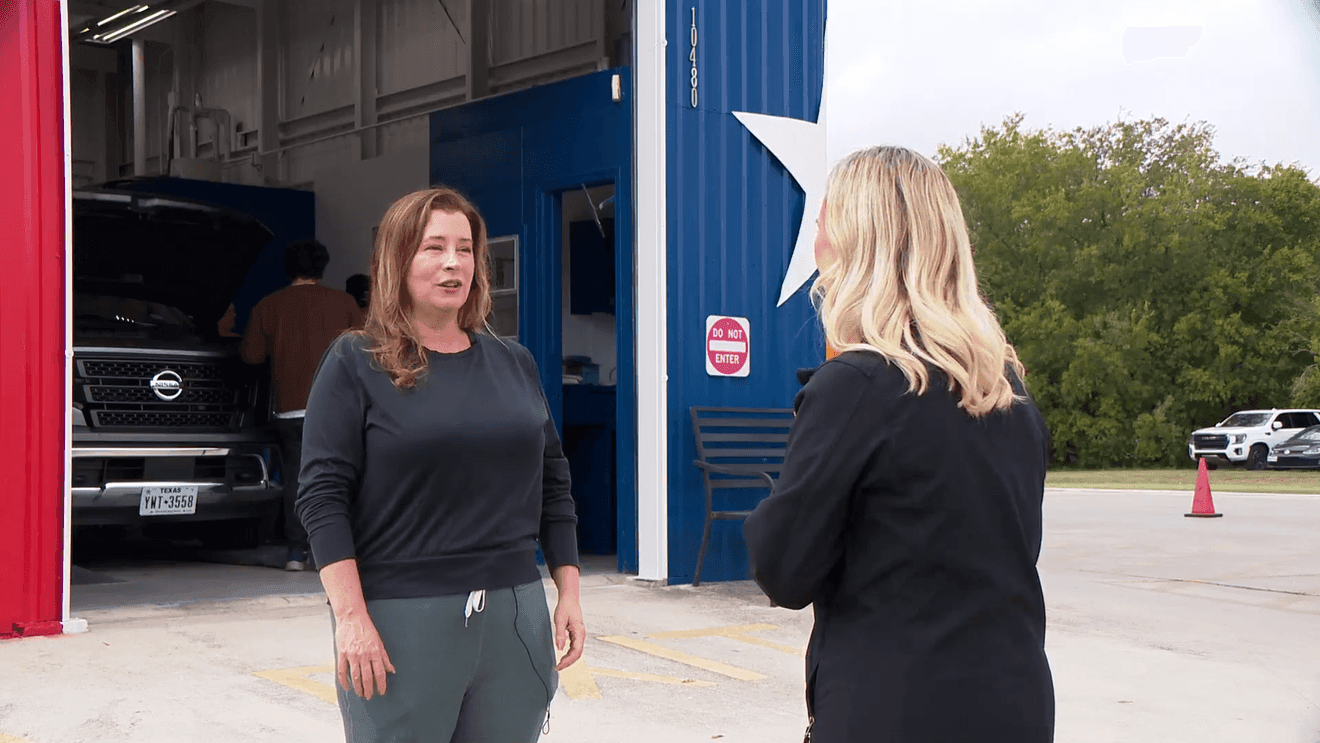
Bexar County drivers will soon have a new step to complete before renewing their vehicle registration, and local officials say confusion about whether the change has been delayed is leading to rumors.
Bexar County drivers will soon have a new step to complete before renewing their vehicle registration, and local officials say confusion about whether the change has been delayed is leading to rumors. (SBG San Antonio)
Starting Nov. 1, drivers will have to pass an emissions test in order to renew their vehicle’s registration. The requirement is tied to a state mandate, even as local leaders have pushed to delay it. That request has been denied by both the state and the Environmental Protection Agency.
Albert Uresti, the Bexar County tax assessor-collector, said misinformation has been circulating about the rollout. “There’s been rumors going around that the entire emissions testing requirements was put on hold and that’s simply not correct,” Uresti said.
Under the new rules, drivers with gasoline-powered vehicles between two and 24 years old will be required to pass an emissions test before their registration can be renewed.
Uresti said the change also comes with a fee. “This is something new throughout the state. There’s also going to be a charge of $18.50 when you get your emissions test done. County does not keep any of that money,” he said.
That money will go toward the person doing the test and the state.
The goal of the testing is to improve air quality in Bexar County. Charissa Barnes, president of Official Inspection Station and Texas Tag and Title, said the emissions test is different from the old safety inspection process because it relies on a computerized connection to the vehicle.
“This is actually a computer hooking up to the computer in your car and so those two computers are talking to each other to determine whether or not the emission systems of the car are functional,” Barnes said.
If a vehicle fails the emissions test, it will need to be repaired before the registration can be renewed. Barnes said drivers can use the information provided after a failed test to address the problem and return for another check. “They can utilize the codes that we give to the customer and have it repaired as quickly as possible so the customer can come back in about 15 days and get a free reinspection,” she said.
Drivers are encouraged to plan ahead as the Nov. 1 requirement approaches.