
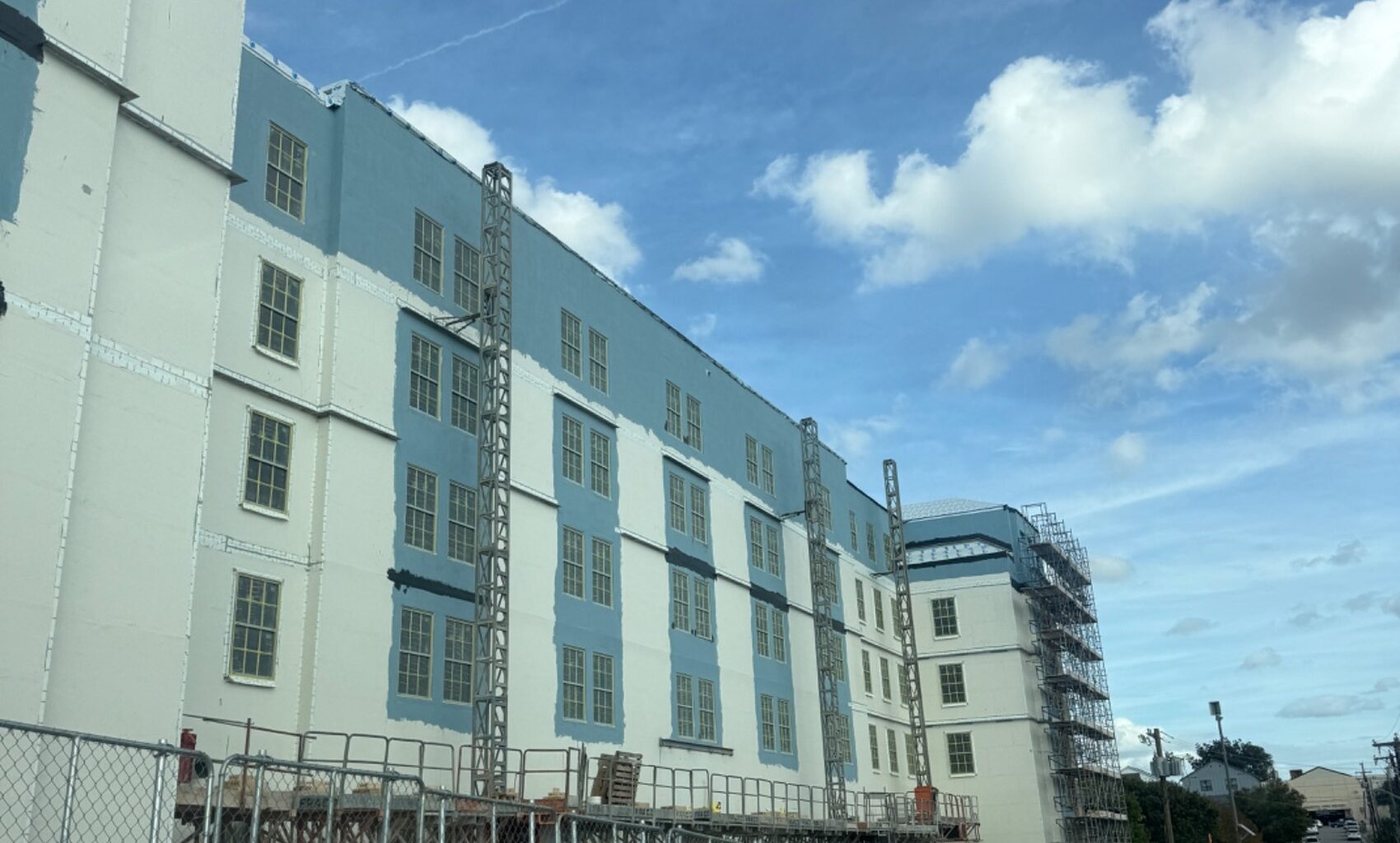
TCU is preparing to add nearly 2,500 beds by fall 2027, giving students more residential options as the university expands campus housing.
The new residential communities are expected to change the way students live on campus, but questions remain about who will be eligible to live there, how much rooms will cost and whether the additional beds will help ease the university’s housing demand.
“The TCU Strategic Plan calls for student-centered growth,” said Craig Allen, the executive director of Housing and Fraternity and Sorority Life. “Any plan to enroll more students means a need for more housing, especially given the two-year residency requirement, demand from juniors and seniors and the fact that TCU was already short on beds.”
Allen said the shortage has led to students living in triple-occupancy rooms and in private properties TCU has leased for years, including Liberty Lofts and University House.
The new residential communities will be spread across campus, with housing options designed for students of different class years.
“Looking out the windows of Gutierrez Hall, students will see three new halls — all first-year halls,” Allen said. “Immediately next to the new parking garage is a suite-style hall. In Worth Hills, between the intramural fields and Arnold Hall, students can see a suite-style hall, and on McCart Avenue there will be 120 townhouse-style beds.”
According to Allen, the expansion includes five new residence halls with 420 to 550 beds each and one 120-bed apartment community.
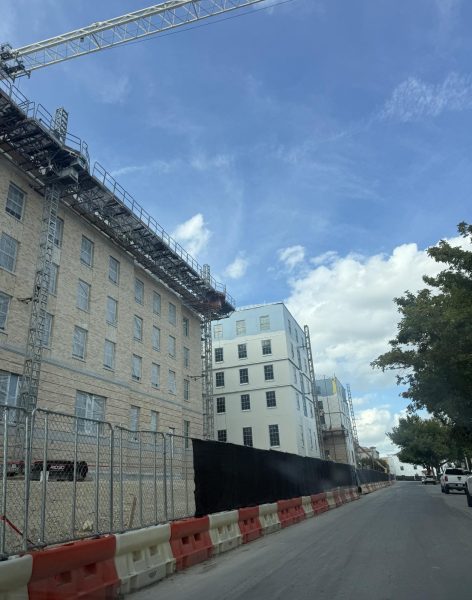 Scaffolding and a construction crane surround a multistory building as construction continues behind temporary fencing and barriers. (TCU 360/Ava Weill)
“There are three first-year student halls, two suite-style halls — primarily for sophomores, but also some juniors and seniors — and townhouse apartments for juniors, seniors and grad students,” Allen said.
For students, one of the biggest questions is who will have access to the new housing.
Allen said housing applications for rising juniors and seniors are already open. Applications for rising sophomores will open in February 2027, while applications for incoming first-year students typically open on May 1.
Students currently living in triple-occupancy rooms will also receive consideration during the housing assignment process.
Allen said rising sophomores living in triples this year will receive priority housing assignments for the 2027-28 academic year. However, that priority will not extend to friends or preferred roommates.
Cost will also play a role in whether students choose to live in the new communities.
Allen said housing rates for the new buildings have not been set, but annual housing rate increases are typically about 3%. It remains unclear how the new rates will compare with those of existing residence halls and university-leased properties.
The new communities will include amenities similar to those in TCU’s current residence halls.
“Amenities will be much as students see now in the halls,” Allen said. “Great rooms, fully furnished, of course, lounges, social spaces, a front desk, laundry rooms, Wi-Fi and much more.”
The expansion is also expected to address overcrowding in existing residence halls and reduce the university’s reliance on leased off-campus properties.
Ellie Bailey, a first-year exercise science major who lives in a triple-occupancy room in Colby Hall, knows firsthand the challenges of sharing a room with two other students.
“Living in a forced triple means having to share your space and adjust to other people’s routines. I hope the new housing will give students more room and make it easier to find a comfortable living situation,” Bailey said.
Students like Bailey could benefit from the university’s decision to prioritize rising sophomores currently living in triple-occupancy rooms. However, the policy does not guarantee that students will be able to live with their preferred roommates.
TCU has managed the university’s ongoing housing demand in different ways for years, but Allen expects the new housing to give students more options.
“The new housing will be a tremendous help to address demand,” Allen said. “TCU has managed demand creatively for many years, but beginning in fall 2027, the answer when students ask is, ‘Yes, we have a great place for you to live.’”
All six new buildings are expected to open for the 2027-28 academic year rather than in phases.
With nearly 2,500 additional beds coming to campus, the expansion could make on-campus housing available to more students. Its impact will depend on how assignments are made, how much the new housing costs and whether the added capacity is enough to meet demand.