
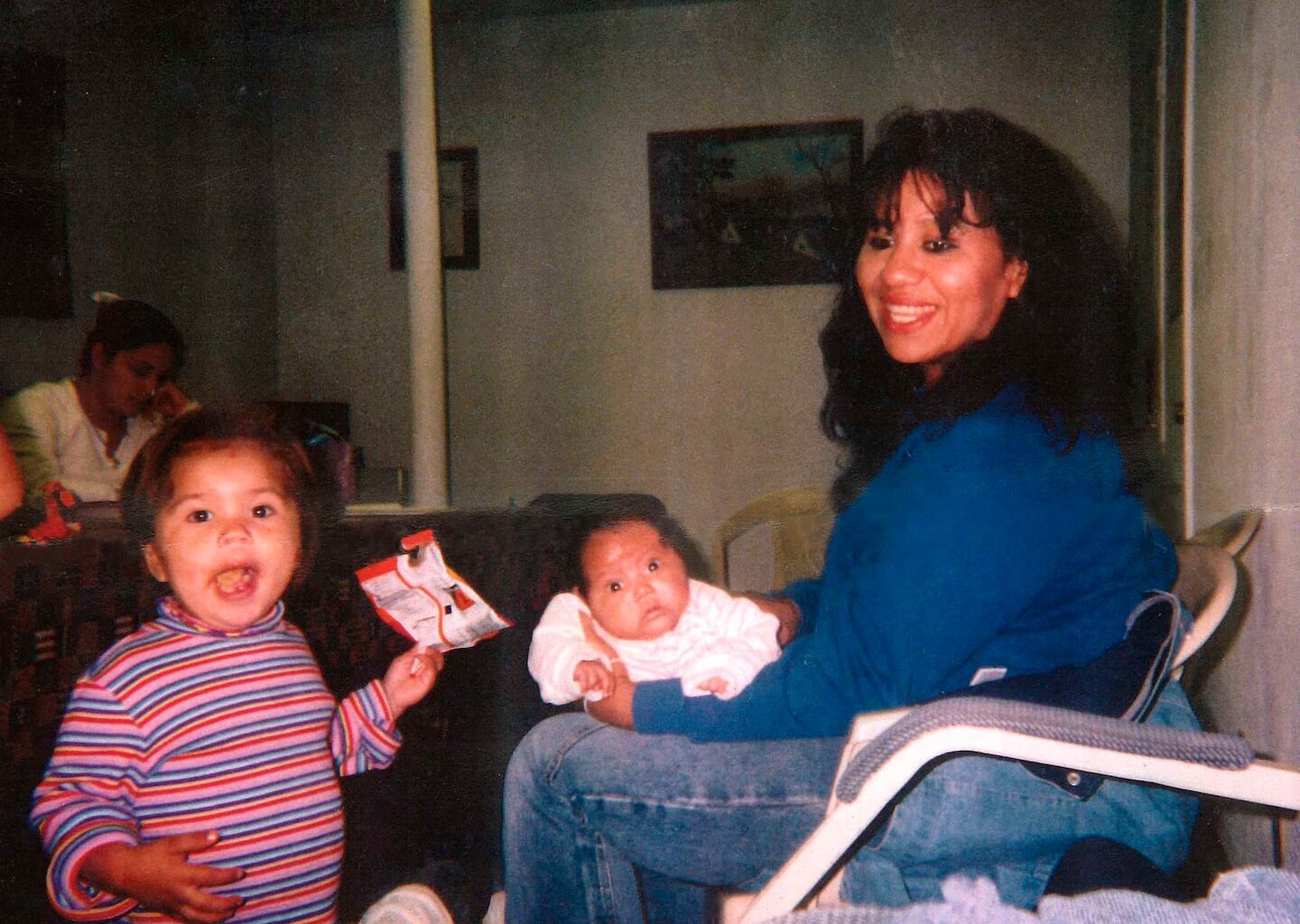
In his new book, “Redemption: Faith, Justice, and Sisterhood on Death Row,” Pulitzer Prize-winning journalist Lawrence Wright asks an uncomfortable question: Can these women of the Patrick O’Daniel Unit state prison in Gatesville, Texas, be redeemed?
And as he examines their stories — the abuse they endured in their own lives and, in cases like Lucio’s, the deeply flawed convictions that landed them on death row — he asks another, even more uncomfortable question: Can a culture that bears at least some of the blame for what befell these women repent for its own sins?
Wright told me in a recent interview that he believes in prisons. “I’ve seen people do awful things,” he said, “and they should be punished.”
But he believes in redemption, too. At one point in his life, Wright was on a path to become a pastor. And while he no longer calls himself religious, he carries a reverence for faith and its power to change people.
In his book, Wright chronicles the remarkable relationship between the women on death row and the Sisters of Mary Morning Star, a group of contemplative nuns in nearby Waco, Texas.
The condemned women, under the Sisters’ tutelage, read the Scriptures, pray, and sing. They engage in a “Chapters of Fault” practice, admitting to and apologizing for their mistakes. Eventually, the inmates are given an opportunity to become Sisters — an opportunity that Lucio, who grew up Catholic, embraces. “I’m not the same person I used to be,” she says.
But if these women are capable of change, are we?
Wright is clear that the hardships these women faced can’t excuse their crimes. But the gross inequalities we have allowed to fester in American life clearly played a role.
Wright believes that all of the women he writes about in “Redemption” drew “a card that was going to lead to her death.” A geography card. A race card. A class card. Often, these women pulled more than one.
And all of the inmates, he writes, were dealt the “woman card.”
As a child, Lucio was sexually abused; most of the seven women Wright writes about suffered abuse at some point in their lives. And their stories are all too typical. Research from the Vera Institute of Justice shows that 86 percent of female inmates have survived sexual assault. And a third of those charged with murder or manslaughter report having experienced domestic violence.
The “woman card,” Wright points out, means disparate treatment in our criminal justice system, too.
Lucio told police that her 2-year-old daughter Mariah, who died of a head injury, had fallen down the stairs. But the authorities did not believe her and charged her with murder. Her husband, who was home at the time of their daughter’s death, was merely charged with neglect.
Wright is “a hardened reporter, supposedly,” he told me. But he says the flaws he observed in the criminal justice system “shocked” him.
Mariah’s older siblings confirmed to police that their sister had, indeed, fallen down the stairs. And they said their mother had never abused Mariah. But the district attorney who handled Lucio’s case, Armando Villalobos, withheld the siblings’ statements from the defense.
Later, a review of the medical evidence cast doubt on the prosecution’s case. And the judge in Lucio’s original trial recommended that the Texas Court of Criminal Appeals overturn her sentence and declare her “actually innocent.” But the appeals court rejected those claims.
“You want to think that justice is fairly and honestly constructed in your country,” Wright told me. “And what I found is: That wasn’t true.”
The women of the Patrick O’Daniel Unit may have plenty to atone for.
But so, Wright suggests, do we.
Get College Town
A weekly newsletter packed with insights about higher ed from Globe journalist Hilary Burns.