
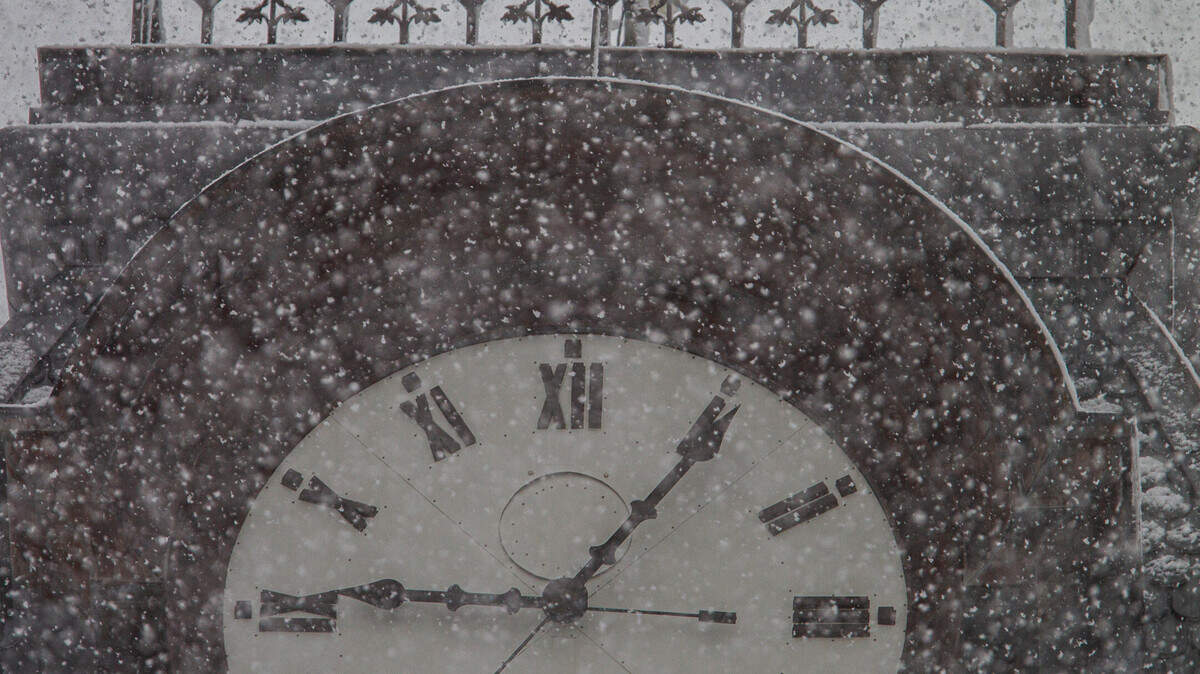
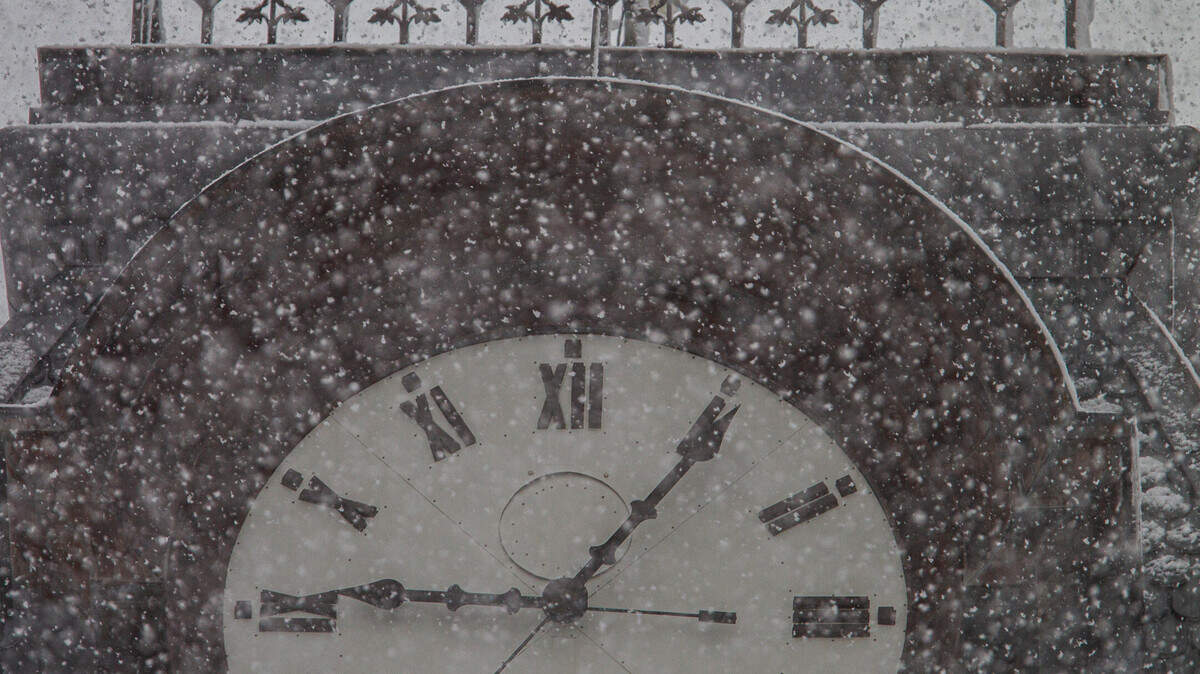
The idea behind daylight saving time is to give people more time in the daylight over the spring and summer. The opposite is the case in the fall and winter granting people more daylight.
David Montesino
Fort Worth Star-Telegram
An extra hour of sleep on Halloween? Parents have daylight saving time to thank.
Daylight saving time is ending, which means turning the clocks back one hour to allow more light in the morning and less light in the evening.
According to the Energy Policy Act of 2005, daylight saving time always begins on the second Sunday of March and ends on the first Sunday in November.
When will clocks fall back?
Clocks will fall back one hour on Sunday, Nov. 1, at 2 a.m.
When will be the shortest day of sunlight?
The shortest day of the year is known as the Winter Solstice, the day with the fewest hours of sunlight. This year it falls on Dec. 21.
After that occurs, the length of daylight starts to get longer, first by a matter of seconds every day, and then minutes per day by February and March.
Clocks will spring forward one hour again on March 14, 2027.
Will Texas continue enforcing daylight saving time?
Daylight saving time has been around since 1918, during World War I. It was created as a wartime measure to extend the workday.
However, the Energy Policy Act of 2005 allows states to choose whether to participate in daylight saving. Arizona and Hawaii, along with the U.S. territories of American Samoa, Guam, the Northern Mariana Islands, Puerto Rico and the Virgin Islands, remain on standard time.
Texas has signed and proposed a permanent daylight saving calendar, but is waiting for federal congressional approval before it becomes effective.
This story was originally published October 30, 2026 at 12:04 PM.
Related Stories from Fort Worth Star-Telegram

Fort Worth Star-Telegram
Ella Gonzales is a service journalism reporter for the Fort Worth Star-Telegram. She is part of a team of local journalists who answer reader questions and write about life in North Texas. Ella mainly writes about local restaurants and where to find good deals around town.