
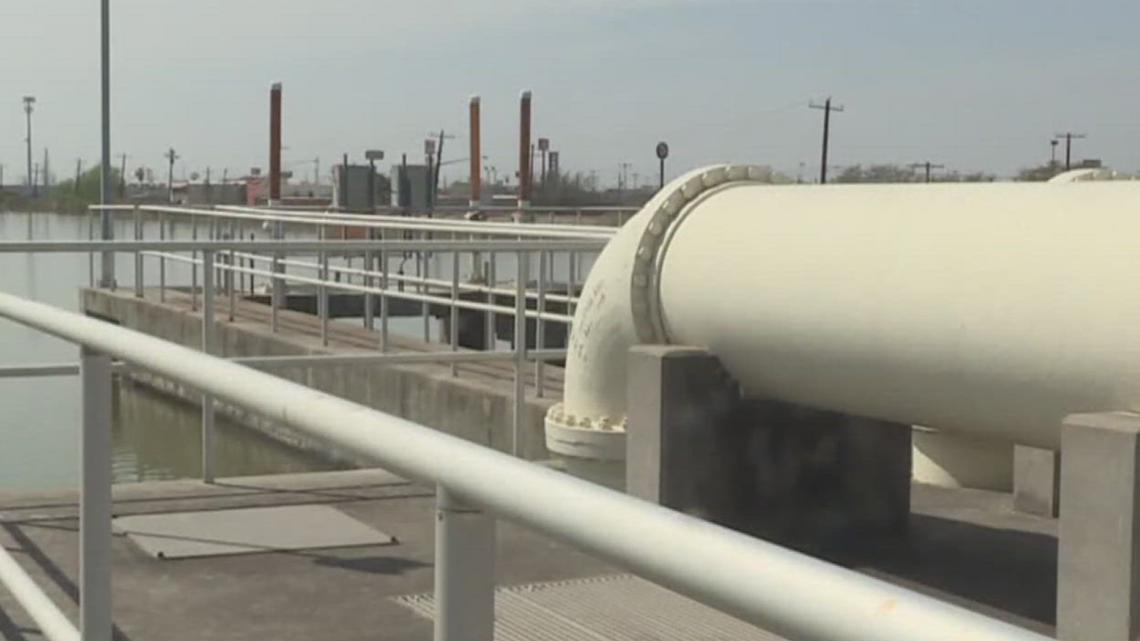
Corpus Christi teams with the Harte Research Institute to study desalination’s effects on marine life as experts warn of red tide and estuary disruption.
CORPUS CHRISTI, Texas — Corpus Christi city leaders are teaming up with environmental researchers to study the potential impact of local desalination projects on marine life.
City Manager Peter Zanoni told 3NEWS the study will be conducted independently for the city, with help from scientists at the Harte Research Institute at Texas A&M University–Corpus Christi. The goal is to monitor wildlife and assess possible risks as desalination plans move forward.
Environmental advocates say they’re concerned about how concentrated saltwater discharge, or brine, could affect nearby ecosystems. Jake Hernandez with the Texas Campaign for the Environment said one earlier proposal raised serious red flags.
“With the Inner Harbor desalination plant, the brine was planned to go right back out into the ship channel, which would create dead zones in the water, where the water would become over concentrated with salt,” Hernandez said. “That could lead to a loss in plant and animal life, red tide and just generally degrading the bay in a way that we should not be tampering with.”
Dr. Edward Buskey with the University of Texas Marine Science Institute said the risks include triggering harmful algal blooms known as red tide.
“Red tide is a harmful algal bloom,” Buskey said. “They’re plants — they create toxins. It’s something we’ve had issues with in the past. They typically don’t start in the Inner Harbor but can move into the bays from the Gulf of Mexico.”
Even the less controversial Harbor Island desalination proposal, which would send brine discharge into the Gulf instead of the bay, has drawn scrutiny. Buskey said it could still disrupt species that rely on the area’s delicate balance of fresh and salt water.
“The problem is right at Harbor Island there are these estuary-dependent species — larval fish and shrimp and crabs — that could be impacted by that,” Buskey said. “The adults go out to the Gulf of Mexico, they feed for a while and have to go back in. Part of how they pick the location is the salinity level, so it’s possible to mess up all of that recruitment if you’re releasing brine into Harbor Island.”
The city says no final decisions have been made on any desalination project and that ongoing collaboration with scientists and environmental groups will guide its next steps.