
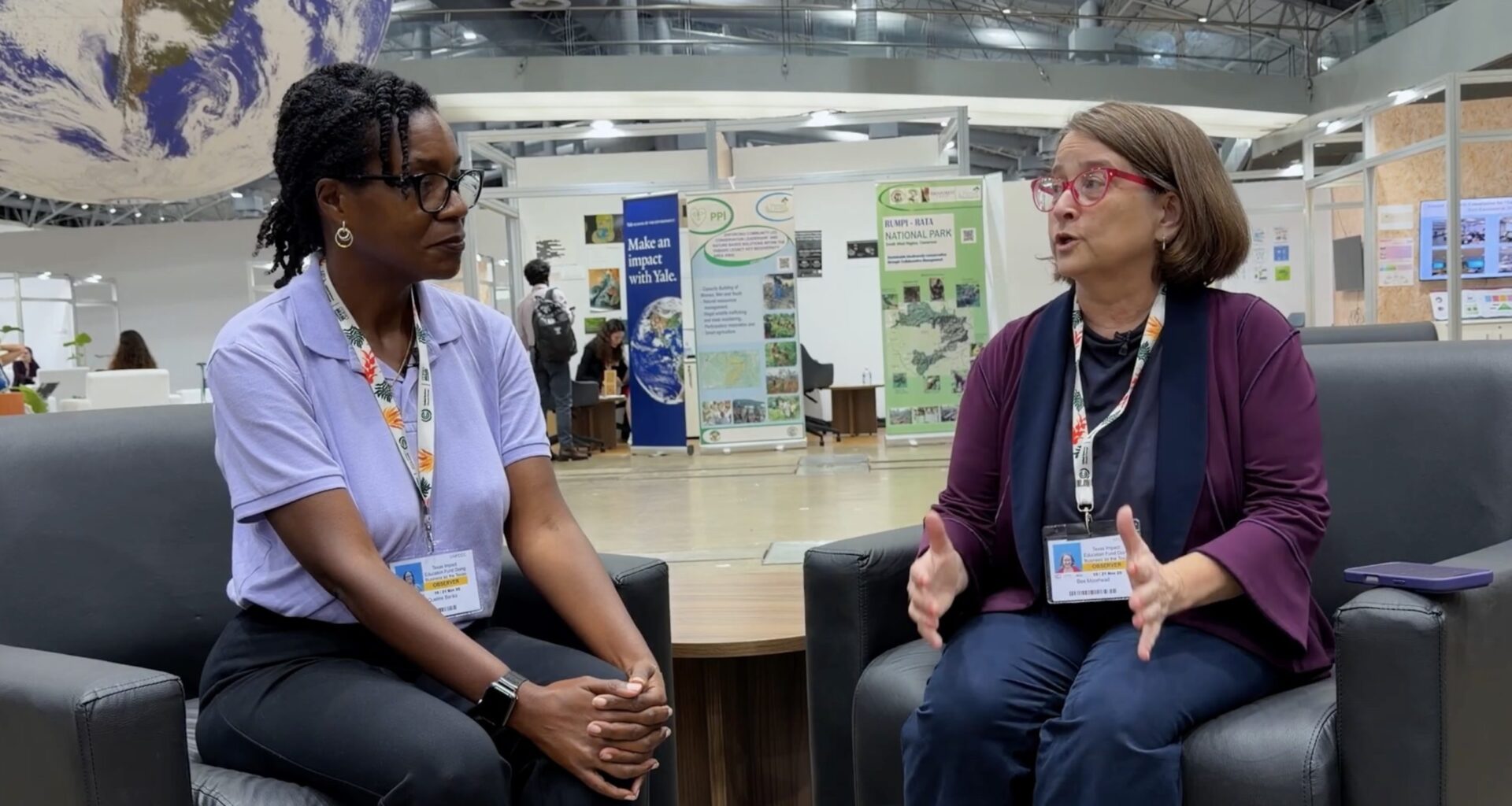
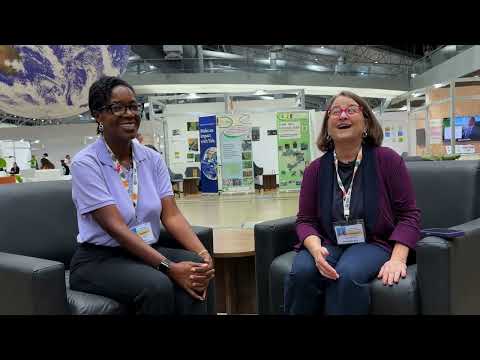
As the world’s eyes turn to Brazil for the United Nations Climate Change Conference (COP30), Austin-based Texas Impact/Texas Interfaith Power & Light is sending dispatches from the conference to the Chronicle.
Monday was Earth Information Day at COP30. Earth Information Day is a plenary briefing where all the UNFCCC science groups, including the World Meteorological Organization, the World Climate Research Programme, and others brief the COP delegates on the state of climate science. As the UNFCCC “information note” explains:
Systematic observation is vital for monitoring and understanding weather and climate status and trends to inform climate action. Earth observation networks, including in-situ and satellite-based observations, provide relevant data for forecasting and modelling climate change, response mechanism, risk management including supporting relate services such as early warning systems (EWS). Within the UNFCCC process, the annual Earth Information Day (EID) provides an opportunity for Parties to engage with the systematic observation community to share and understand latest information, trends and projections of the climate to inform negotiations and wider decision-making. Through EID, messages on closing observation gaps, enhancing systematic observations and related initiatives, and advancing cooperation have been recognized.
As a highlight of COP30, which is being dubbed “the COP of Truth,” Earth Information Day 2025 delivered some hard truths. It featured scary science, even scarier policy, and interesting takeaways for state and local governments.
UNFCCC Executive Director Simon Steil kicked off the discussion by pointing out that “science and data give us resilience,” not just bad news. Observations are more important than ever, but unfortunately our observation systems are under strain.
WMO executive director Celeste Saulo WMO reported that the past three years have been the warmest 3 yrs on record, and have delivered destructive weather on a daily basis. Science not only warns us, but also – and increasingly importantly – equips us. She argued the need for more and better bridges between science and policy. She also pointed out that scientists are increasingly able to attribute weather events to climate change, an important condition for policy action.
Ten years after the Paris Agreement with its core “1.5 C” ceiling for global C02 emissions – the maximum emissions allowable to avoid the worst climate impacts by 2100 – and for the first time, every speaker has agreed there is virtually no chance of avoiding “overshoot.” The common trope now is to keep the overshoot as low as possible and bring emissions back below 1.5C as quickly as possible, certainly by the end of the century.
The even more concerning common theme at EID was the ill-timed, ongoing global disinvestment from science, especially in meteorology. At a time when humanity is experiencing ever-increasing disastrous weather, now would seem to be a uniquely poor moment to scale back funding for the systems that provide early warnings to local communities – but funding for the WMO is falling short because countries including the US have not honored their pledges, and the organization is mounting an investor campaign while also looking at staffing cutbacks. Read more about the bond issue.
For states like Texas that experience frequent severe weather impacts, early warning systems – undergirded by the best available science and technology – are critical, especially for sudden-onset events like the July 4 floods in the Texas Hill Country. Reducing the availability of information now would be a cruel irony that would cost more in human suffering than it would save in funding.
But while global finance struggles, it’s also a key moment for subnational groups to step up. As home to some of the top research institutions in the country, Texas is well-positioned to be a leader, not only in diagnostic science, but in life-saving public climate information.
About Texas Impact
Texas Impact exists to put faith into action. We equip faith leaders and their congregations with the information, opportunities, and outreach tools to educate their communities and engage with lawmakers on pressing public policy issues. We are an interfaith group that works together on issues that impact the most vulnerable people in our communities. We help people live out their faith in the public square, moving the faith community from charity to justice.

A note to readers: Bold and uncensored, The Austin Chronicle has been Austin’s independent news source for over 40 years, expressing the community’s political and environmental concerns and supporting its active cultural scene. Now more than ever, we need your support to continue supplying Austin with independent, free press. If real news is important to you, please consider making a donation of $5, $10 or whatever you can afford, to help keep our journalism on stands.