
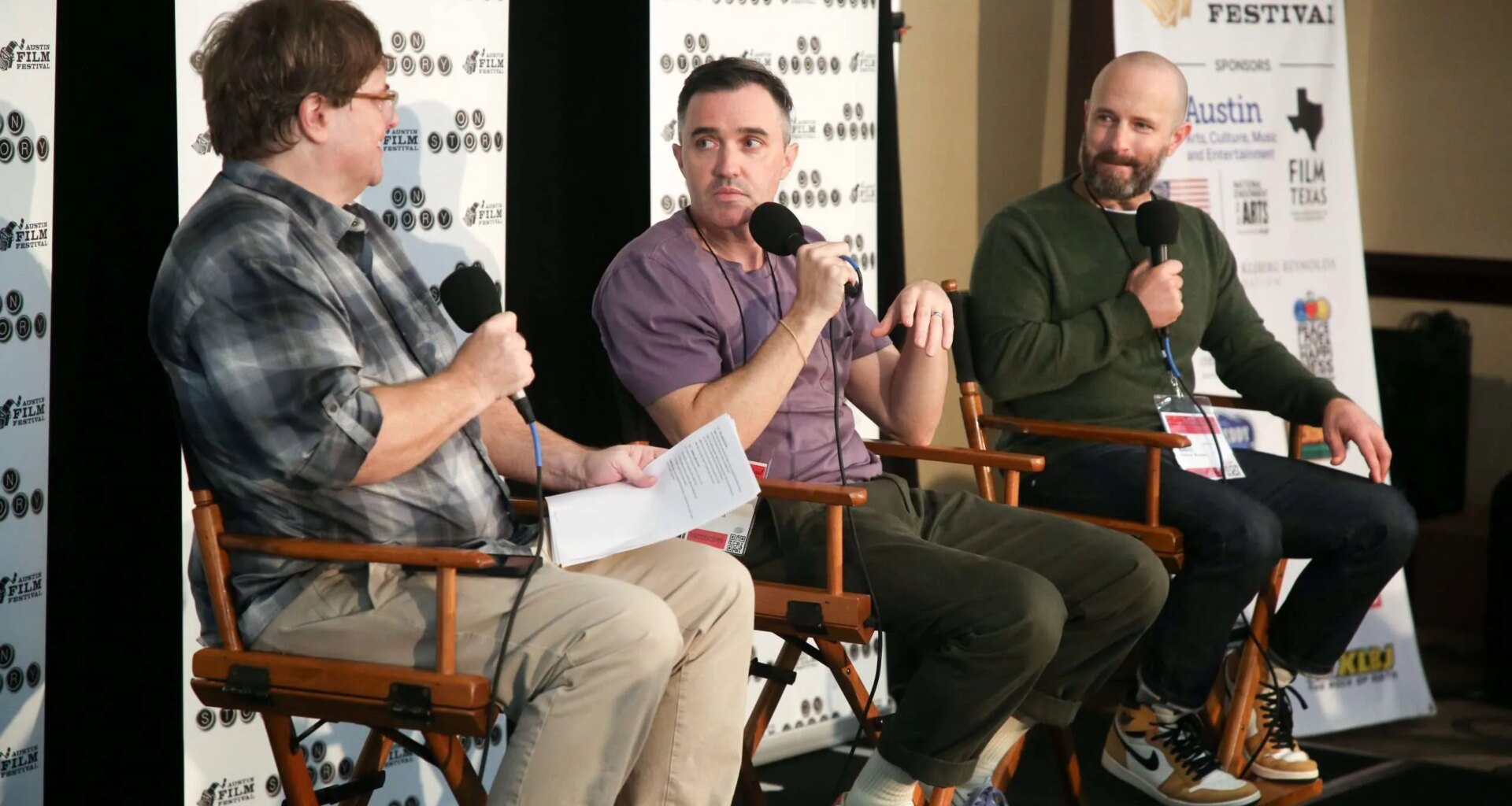
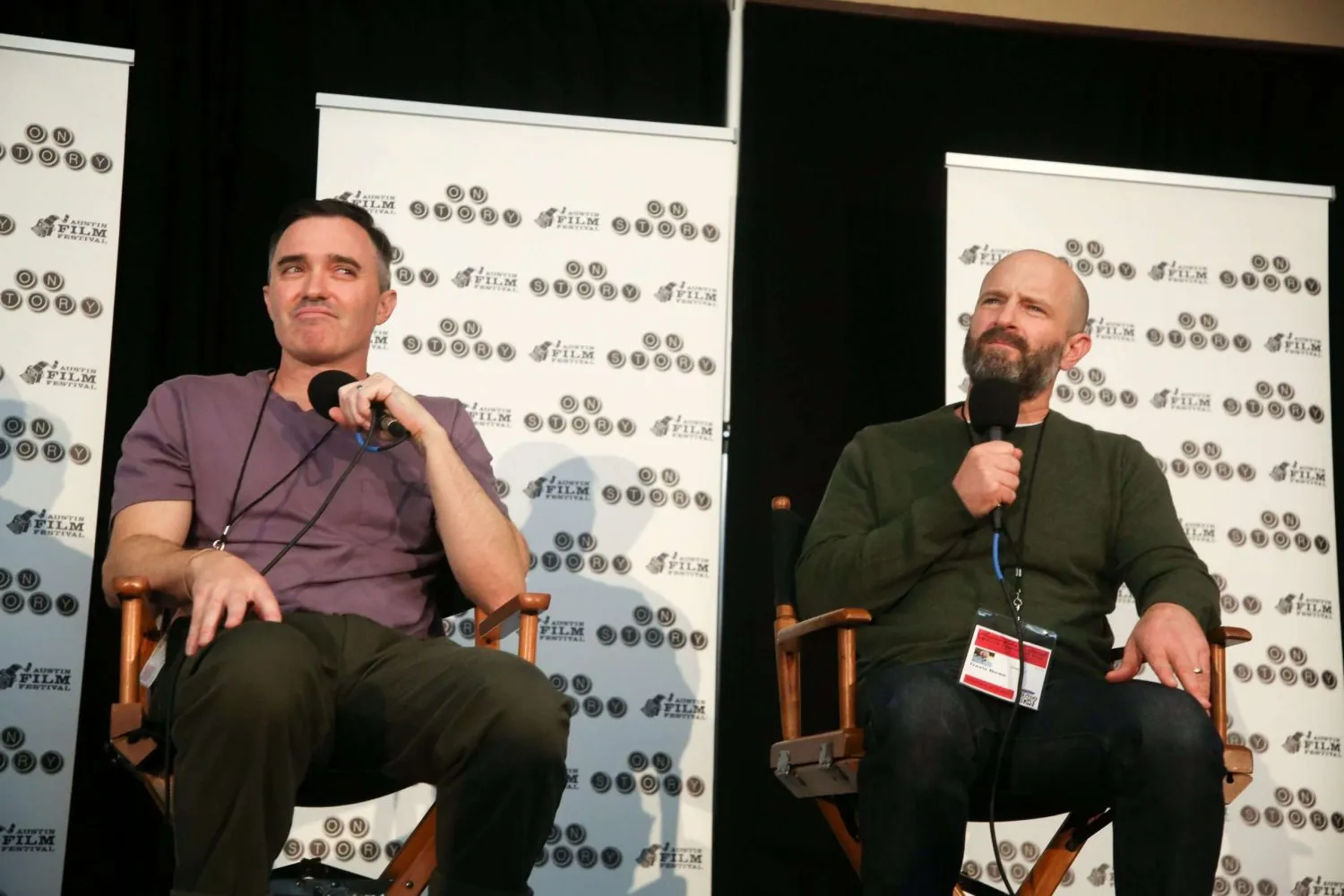
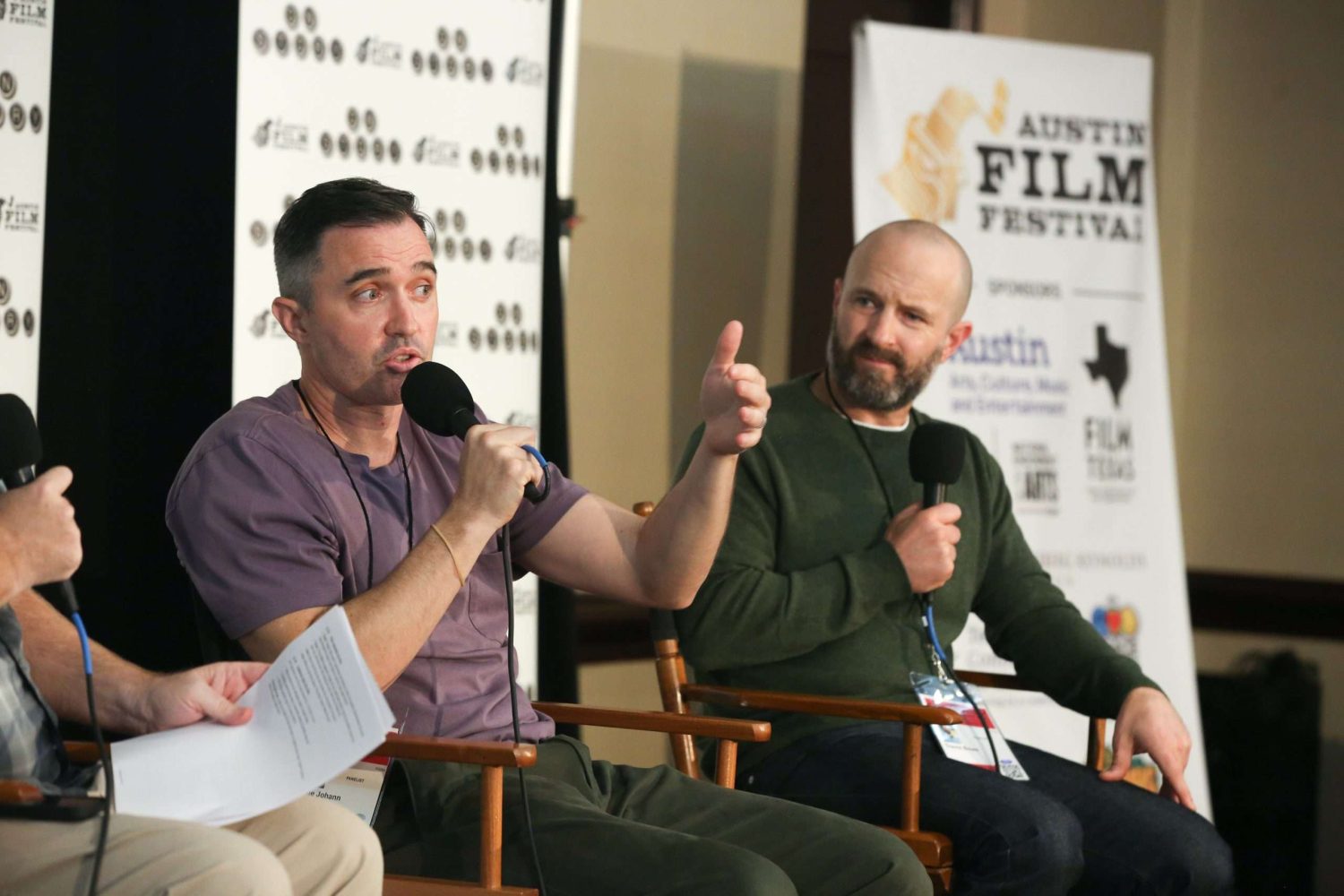
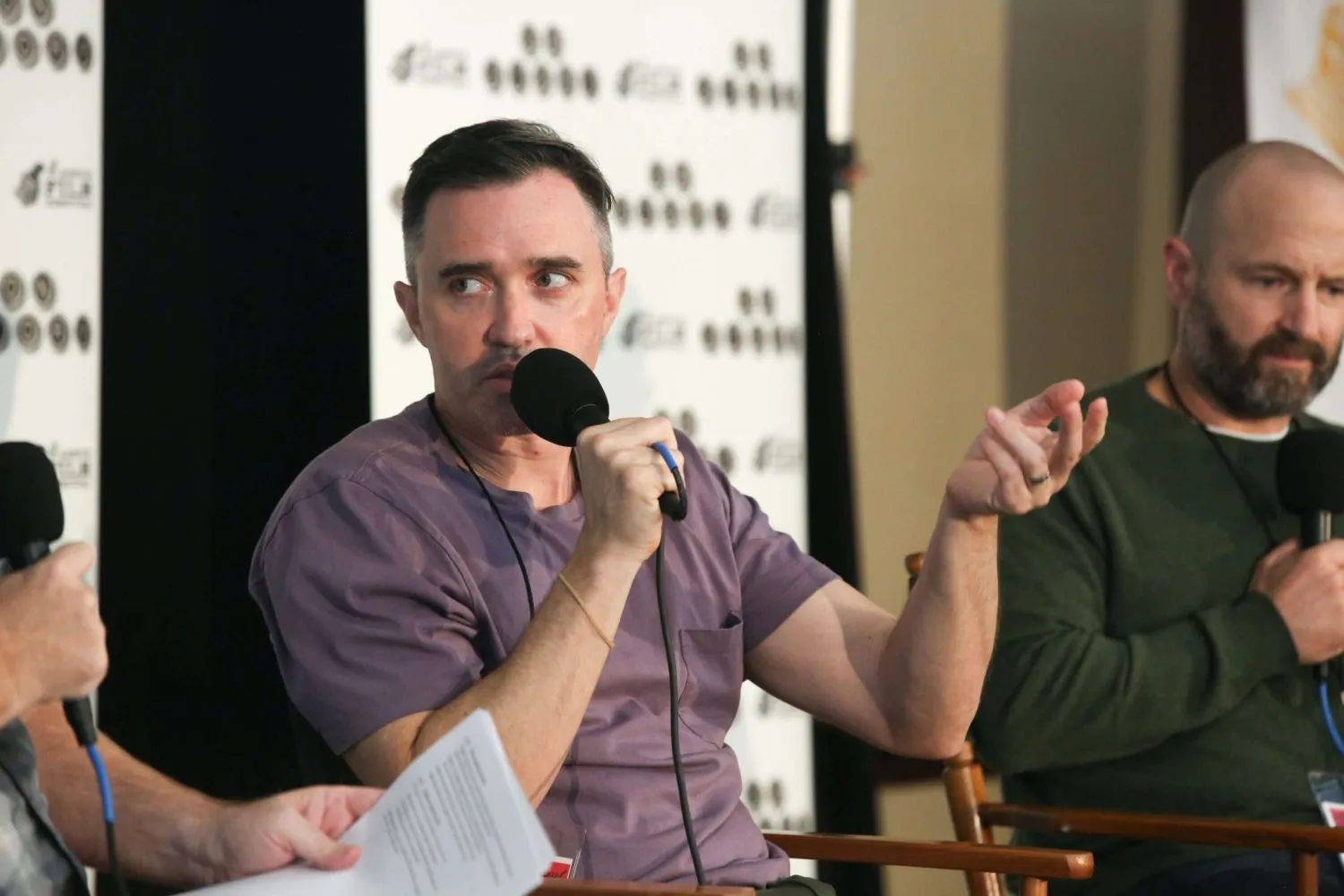
For more than two decades, Family Guy has entertained audiences with its irreverent humor, memorable characters, outrageous cutaways and willingness to push comedy boundaries. But what goes into creating an episode of one of television’s longest-running animated comedies? At Austin Film Festival, audiences got an inside look during the panel “Inside the Writers Room: Family Guy,” featuring longtime writers and producers Artie Johann and Travis Bowe, with moderator John Merriman.
Johann, an executive producer on Family Guy who has also worked on Big Mouth and Beavis & Butt-Head, joined Bowe, a writer and co-executive producer who has spent 15 seasons on the series. Together, they shared stories about their unconventional paths into television writing, the collaborative nature of the Family Guy writers’ room, and the many stages involved in bringing an episode from an initial idea to the screen.
 Courtesy of Austin Film FestivalFrom Production Assistants to Television Writers
Both Johann and Bowe began their careers working behind the scenes rather than immediately stepping into writing positions. Their experiences highlighted how working in production, building relationships and staying close to the creative process can open doors in the entertainment industry.
Bowe recalled starting as a production assistant in 2004, initially working as a runner on American Dad! when the show was getting started. His responsibilities included making copies, getting coffee and handling whatever tasks needed to be done. As other positions became available, he took opportunities to move into different departments, eventually working in casting and assisting the people running American Dad!.
That position gave him the opportunity to begin writing at his desk, collaborate with a writing partner and receive feedback from established writers. The experience eventually helped him secure an agent and land his first writing opportunity.
Johann’s path to Family Guy was equally unconventional. While working as a bartender on Long Island in 2005, he regularly played Family Guy at the bar on Sundays. One evening, he told a couple of customers that he planned to move to Los Angeles and work on the show. The woman mentioned that she had a friend connected to the production and offered to pass along his email address.
Johann followed up after moving to Los Angeles, and although an immediate opportunity wasn’t available, the connection eventually paid off. When the production needed additional assistants, he was invited to interview and was hired shortly afterward.
The two writers emphasized that there isn’t one standard path into television writing. However, they agreed that persistence, hard work and being willing to take opportunities wherever they appear can make a significant difference.
They also recalled how competitive the environment was among production assistants. Many of them were aspiring writers, and nearly everyone was funny. The competition pushed them to improve their writing, perform when possible and demonstrate their abilities to the show’s established writers.
Rather than viewing the other assistants simply as coworkers, they understood that everyone was working toward similar goals. That combination of friendship and competition helped motivate them to keep improving.
 Courtesy of Austin Film FestivalFinding Inspiration for Family Guy Stories
One of the panel’s biggest topics was how the writers develop ideas for new episodes, especially after so many seasons and hundreds of storylines.
Both Johann and Bowe explained that some of their favorite ideas come from everyday life. Experiences with family, observations about other people and seemingly insignificant moments can eventually become the foundation for an episode.
Bowe shared that an idea for an episode called “The Stewaway” came from watching his daughter play hide-and-seek. She would hide in obvious places while insisting nobody could find her. That experience inspired a story in which Stewie hides inside Quagmire’s luggage and accidentally ends up traveling to France.
Johann also drew inspiration from his daughter, particularly when considering what Stewie might be like if he behaved more like an actual baby. That observation eventually developed into a storyline in which Stewie becomes concerned about inheriting his family’s intelligence and attempts to change his DNA. The resulting story explores what happens when Brian has to deal with Stewie behaving like a regular baby.
The writers explained that these small ideas are brought into the writers’ room, where the larger team helps develop them into complete stories. An initial pitch might change significantly as other writers contribute suggestions, identify opportunities for jokes or find a stronger emotional angle.
They emphasized that the best stories often come from simple observations rather than trying too hard to invent something outrageous. Sometimes a small, relatable idea can generate the biggest reaction in the room.
 Courtesy of Austin Film FestivalThe Collaborative Process Behind the Jokes
The Family Guy writers’ room is an especially collaborative environment, with multiple writers contributing to individual episodes even when someone else is responsible for the original script.
Johann and Bowe described the show’s gag-pass process, which takes place after a writer submits an outline. The writer brings the outline into a room with several other writers, who help develop jokes and alternative ideas for individual scenes.
For example, a writer might explain that Stewie and Brian are having a conversation in the living room and ask the room to come up with a joke for that moment. The other writers then pitch different possibilities, allowing the episode’s original writer to select the strongest material.
Both described these sessions as some of the most enjoyable parts of the job. Instead of worrying about an entire script, writers can simply experiment, pitch jokes and build on one another’s ideas.
The process continues throughout production. Cutaway jokes, flashbacks and individual scenes may receive additional rounds of rewrites, with other writers offering alternative versions. Sometimes the original writer’s material survives, while other times the room comes up with something even better.
The panelists noted that the scripts receiving the most attention and rewrites can sometimes become the strongest episodes. Conversely, a script in which every joke simply makes it through without much discussion may not necessarily be as memorable.
They also discussed the importance of balancing different types of comedy. Johann explained that he likes to include jokes that appeal to different audiences, alongside at least one idea that feels particularly personal or unusual. Those more unconventional jokes may not always work, but when they do, they can be especially rewarding.
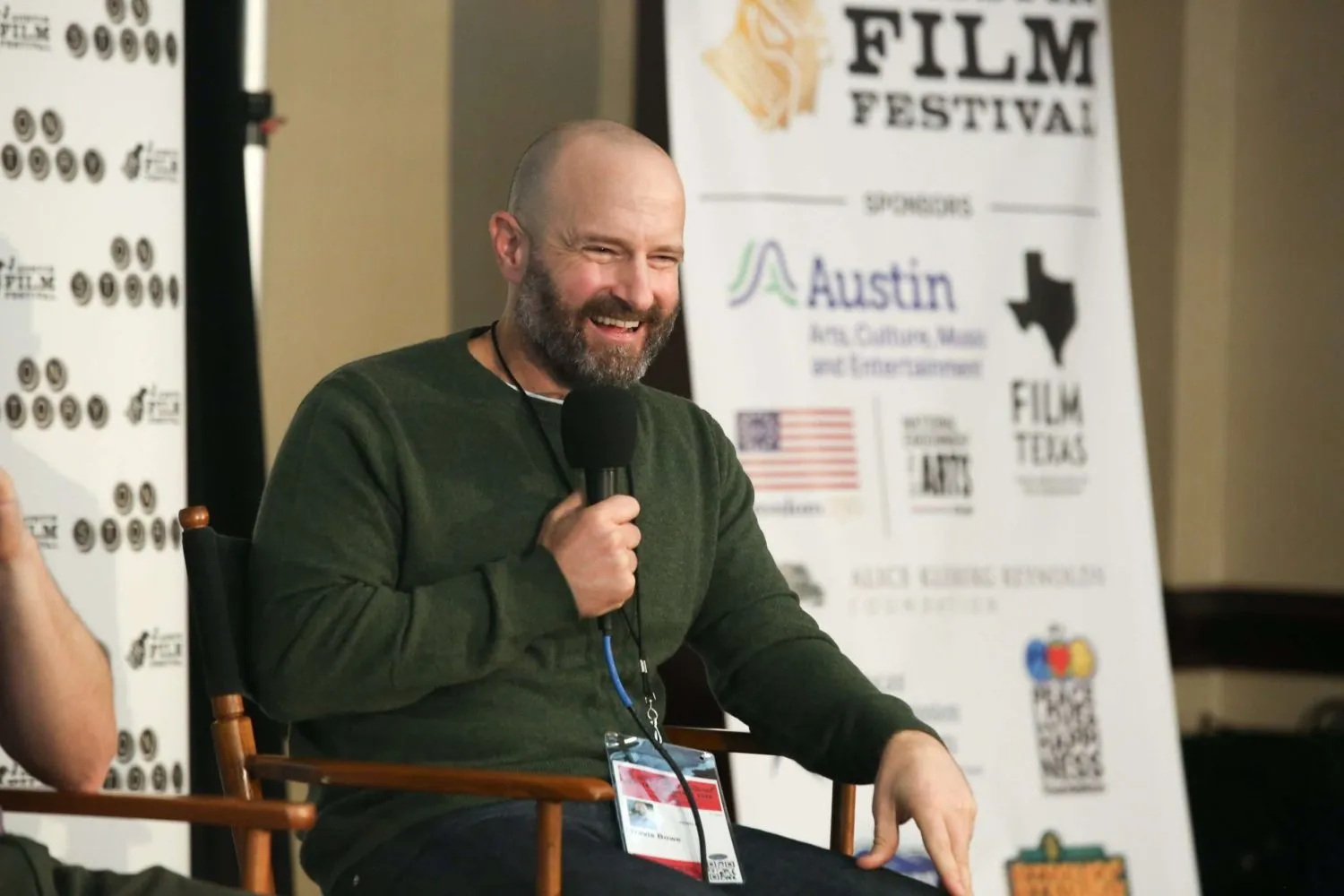 Courtesy of Austin Film FestivalBringing an Episode to Life: Table Reads and Voice Acting
Once a script has gone through its initial rounds of writing and revisions, the next major milestone is the table read.
Johann and Bowe recalled that table reads were once large, in-person gatherings featuring much of the show’s cast and executives. The sessions felt almost like performances, with writers getting to hear the material for the first time and experience the audience’s immediate reactions.
Since the COVID-19 pandemic, most of the table reads have moved to Zoom. While the writers still enjoy hearing the scripts performed, they acknowledged that something is lost without the live laughter and energy of an in-person gathering.
They also praised the show’s talented voice cast, particularly Seth MacFarlane, whose ability to perform multiple characters can transform a joke simply through delivery.
Johann recalled an experience from his early days as an assistant when he delivered a script to MacFarlane’s home at approximately 4 a.m. before an American Dad! table read. MacFarlane arrived at the reading shortly before it began, opened the script and performed the material despite having seemingly never seen it before.
The experience left a lasting impression on Johann, who emphasized how remarkable it is to have performers who understand their characters so well that they can elevate even an ordinary line.
The writers also explained that voice actors typically record multiple takes of each line, allowing the director to choose the strongest delivery or request adjustments to timing and performance. Occasionally, writers also contribute voices to the show, with Johann joking that he often plays weak white men while Bowe gravitates toward overconfident idiots.
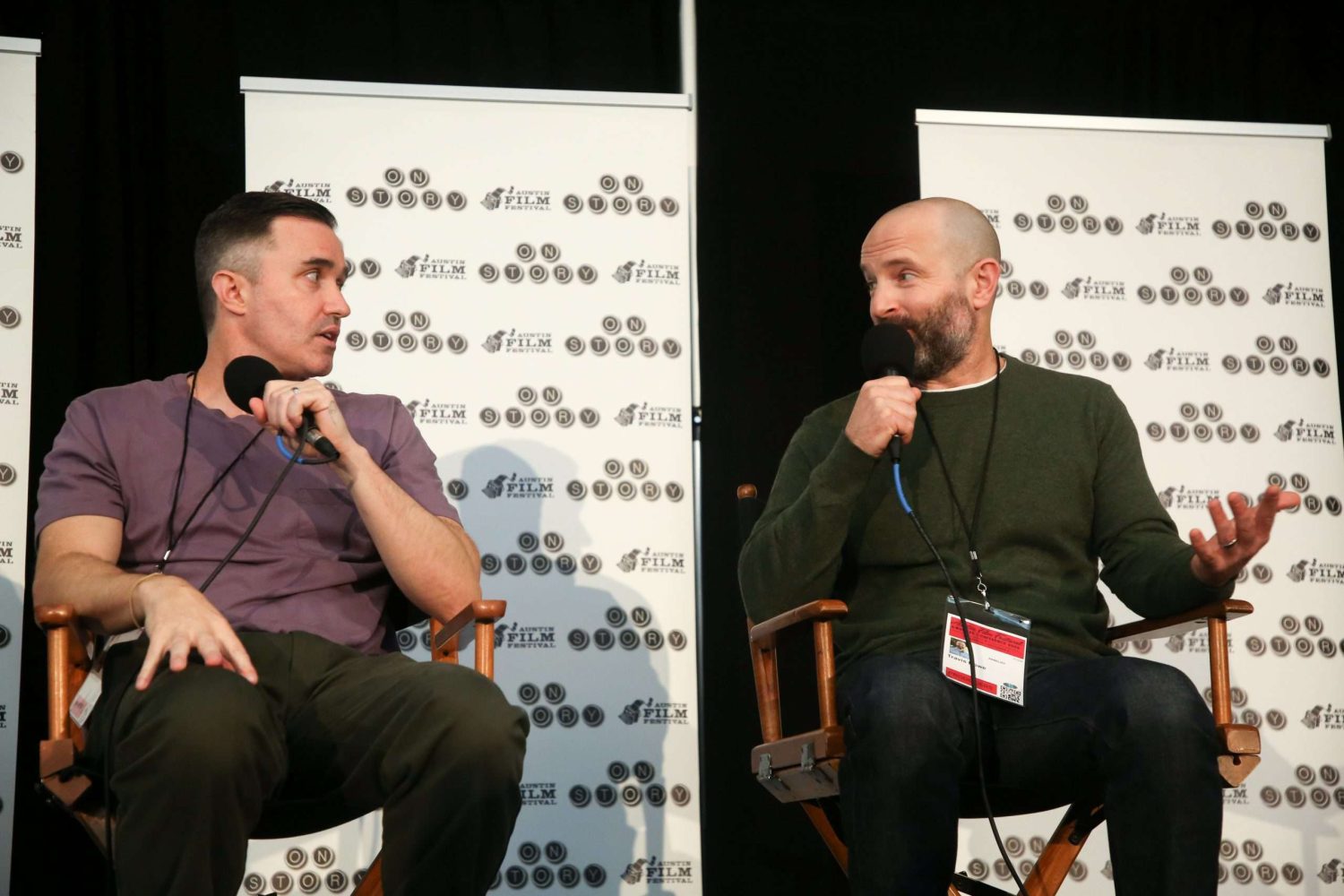 Courtesy of Austin Film FestivalAnimation, Storyboards and the Final Rewrites
The creative process doesn’t end after the table read. Johann and Bowe explained that writers remain involved through several additional stages of production.
Following recording, the team participates in storyboard meetings, where the writers, showrunners, directors and production staff review scenes and discuss how the material will translate visually.
The writers explained that this stage involves making sure the artists understand the intention behind each joke. Sometimes the animation can become too busy for a particular moment, and the writers may suggest simplifying a scene so the humor has more room to land.
After storyboarding, the team reviews animatics, which bring the storyboards and recorded dialogue together into an early version of the episode. This is another important opportunity for revisions. Jokes that seemed funny on the page may not work once they are performed and paired with visuals.
Cutaways are often among the easiest elements to remove or adjust, allowing the team to make changes without disrupting the main storyline.
The writers shared that occasionally an episode doesn’t come together as expected, even after months of work. They recently had an episode that was ultimately abandoned and replaced with a completely different story. While that creates additional work for the production team, the writers said these situations can also be creatively freeing because everyone gets another opportunity to start fresh.
Once the animation is completed overseas in Korea, the episode returns for additional reviews, including a color screening. Writers continue to help refine timing, dialogue and other details before the final audio mix.
Johann explained that he participates in many of the mixing sessions, working alongside the composer to make sure the music and sound complement the jokes. The goal is to ensure there are no surprises when the finished episode finally reaches audiences.
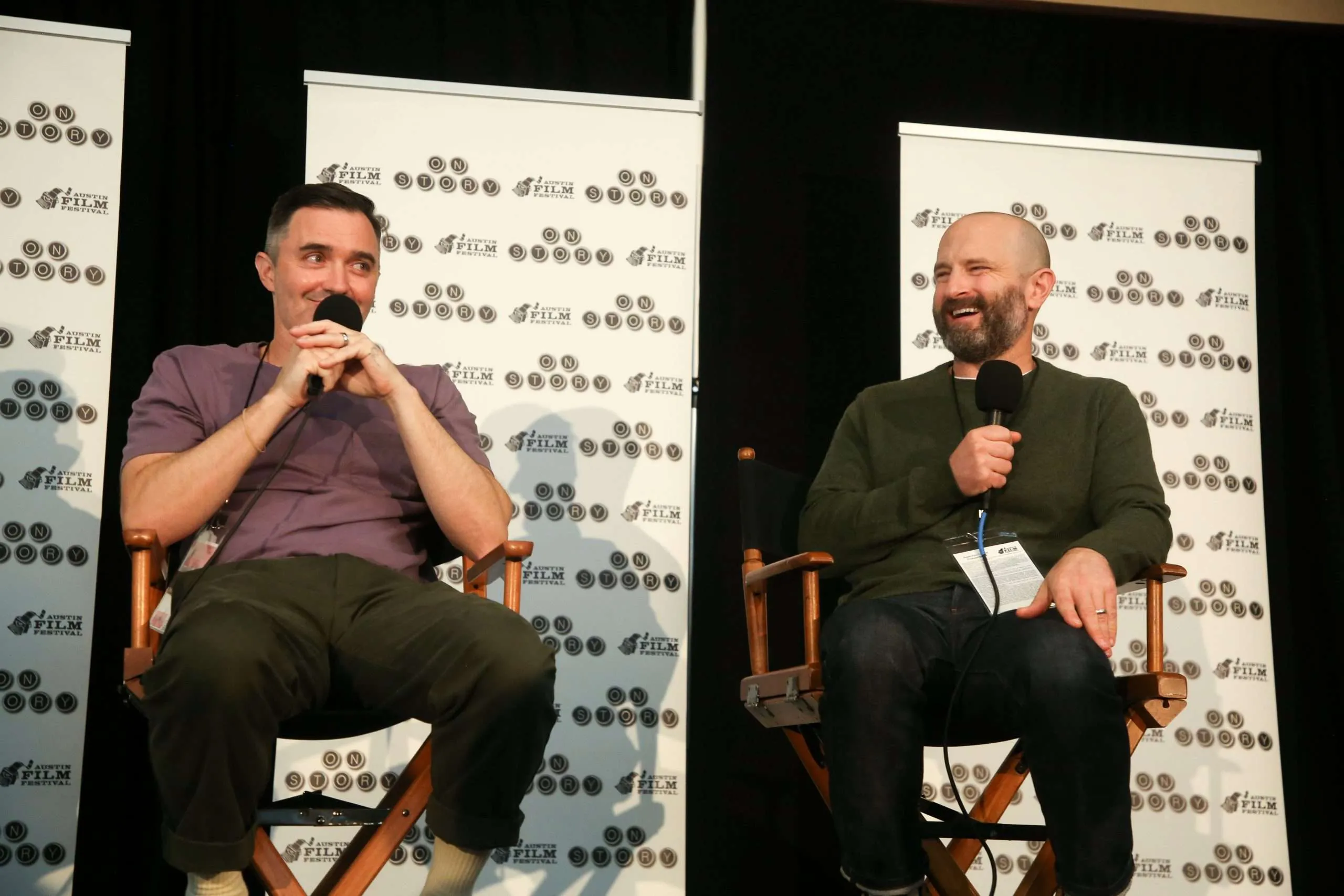 Courtesy of Austin Film FestivalFinding New Stories After More Than 500 Episodes
With Family Guy approaching another major milestone in its long television history, the writers discussed the challenge of continually finding fresh material for characters audiences have known for decades.
One difficulty is remembering which storylines have already been explored. Fortunately, the staff includes writers who have been with the show since its early seasons and possess an almost encyclopedic knowledge of its history.
Still, the writers explained that some of the best episodes come from discovering something new about familiar characters.
Bowe pointed to an episode in which Stewie and Lois are able to understand one another after both consume an edible gummy. The idea emerged during a brainstorming session when the writers considered the possibility of Stewie having a conversation with different members of his family.
When someone suggested Lois, the room immediately recognized the potential for a stronger emotional story. Their relationship offered a different dynamic and allowed the writers to explore a connection that had largely been unavailable because of the show’s established rules about who can understand Stewie.
The resulting episode gave the writers an opportunity to combine comedy, unusual visuals and a more heartfelt mother-and-son story.
The panelists also discussed the importance of revisiting the show’s history. With decades of material available, familiar characters, old jokes and previous storylines can become inspiration for new episodes. However, they acknowledged that the writers must be careful not to repeat ideas simply because they were successful in the past.
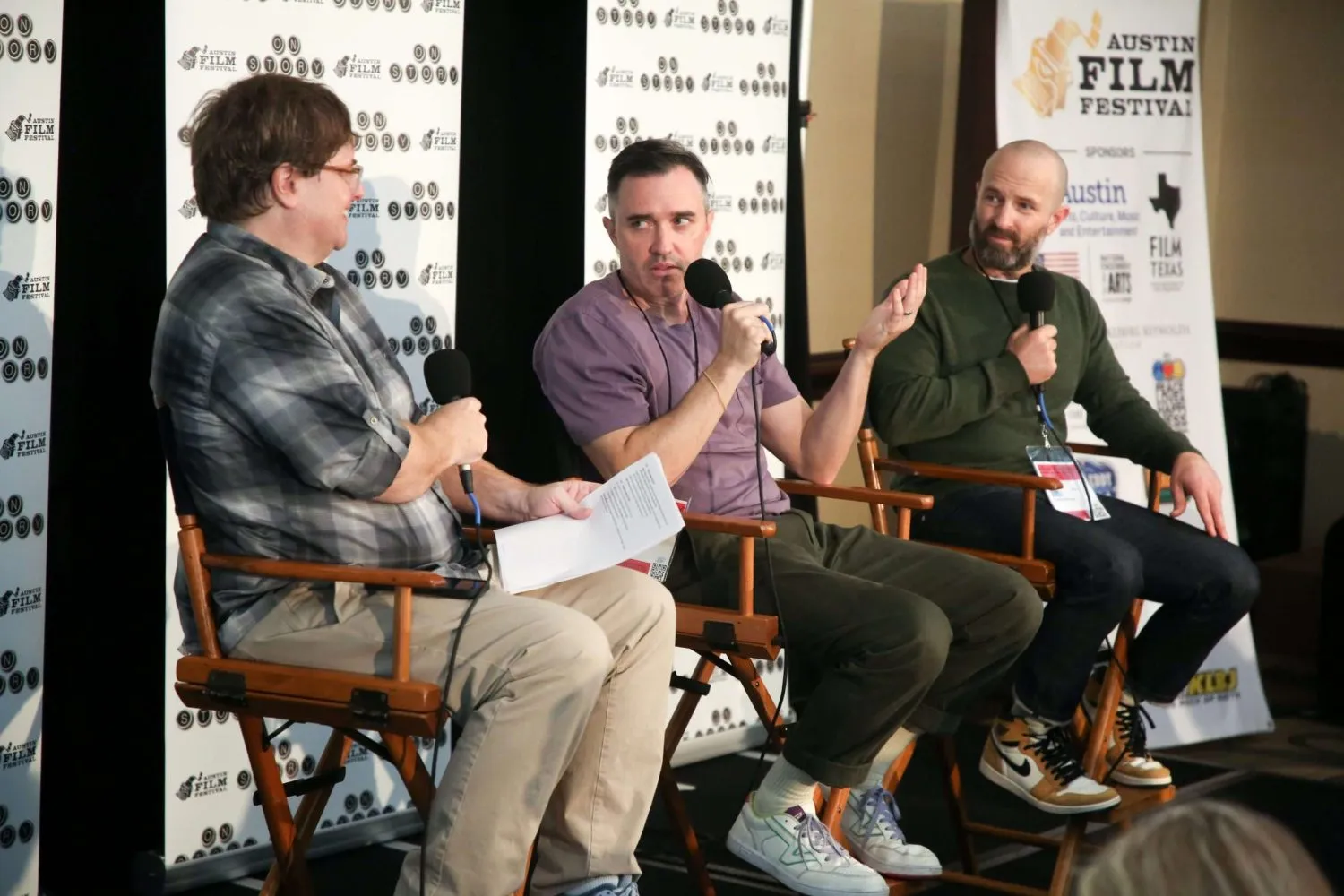 Courtesy of Austin Film FestivalA Behind-the-Scenes Look at a Comedy Institution
The “Inside the Writers Room: Family Guy” panel offered an entertaining look at the amount of collaboration, creativity and problem-solving required to keep a long-running animated series fresh.
From unexpected inspiration found in everyday family life to late-night rewrites, table reads, voice performances and months of animation, Johann and Bowe demonstrated that creating an episode involves far more than simply coming up with jokes.
Their stories also highlighted the importance of teamwork, persistence and remaining open to new ideas. After spending nearly two decades working on Family Guy, both writers continue to find inspiration in the show’s characters, its creative team and the opportunity to make one another laugh.
For Austin Film Festival attendees, the discussion provided a memorable glimpse into the creative process behind one of television’s most recognizable animated comedies.