
As the world’s eyes turn to Brazil for the United Nations Climate Change Conference (COP30), Austin-based Texas Impact/Texas Interfaith Power & Light is sending dispatches from the conference to the Chronicle.
The examination of conscience is a fundamental part of many global faith traditions. Catholics pair an examination of conscience with confession to a priest. Christians practice confession both privately and in corporate worship. Jews observe Yom Kippur. Buddhism emphasizes self-reflection.
Whatever the tradition, adherents consider ways they have failed to live in harmony with their neighbor. The practice, especially when paired with repentance, or turning away from our past behavior, is a powerful driver of transformation. Maybe even the kind of transformation the world needs to finally kick the fossil fuel habit.
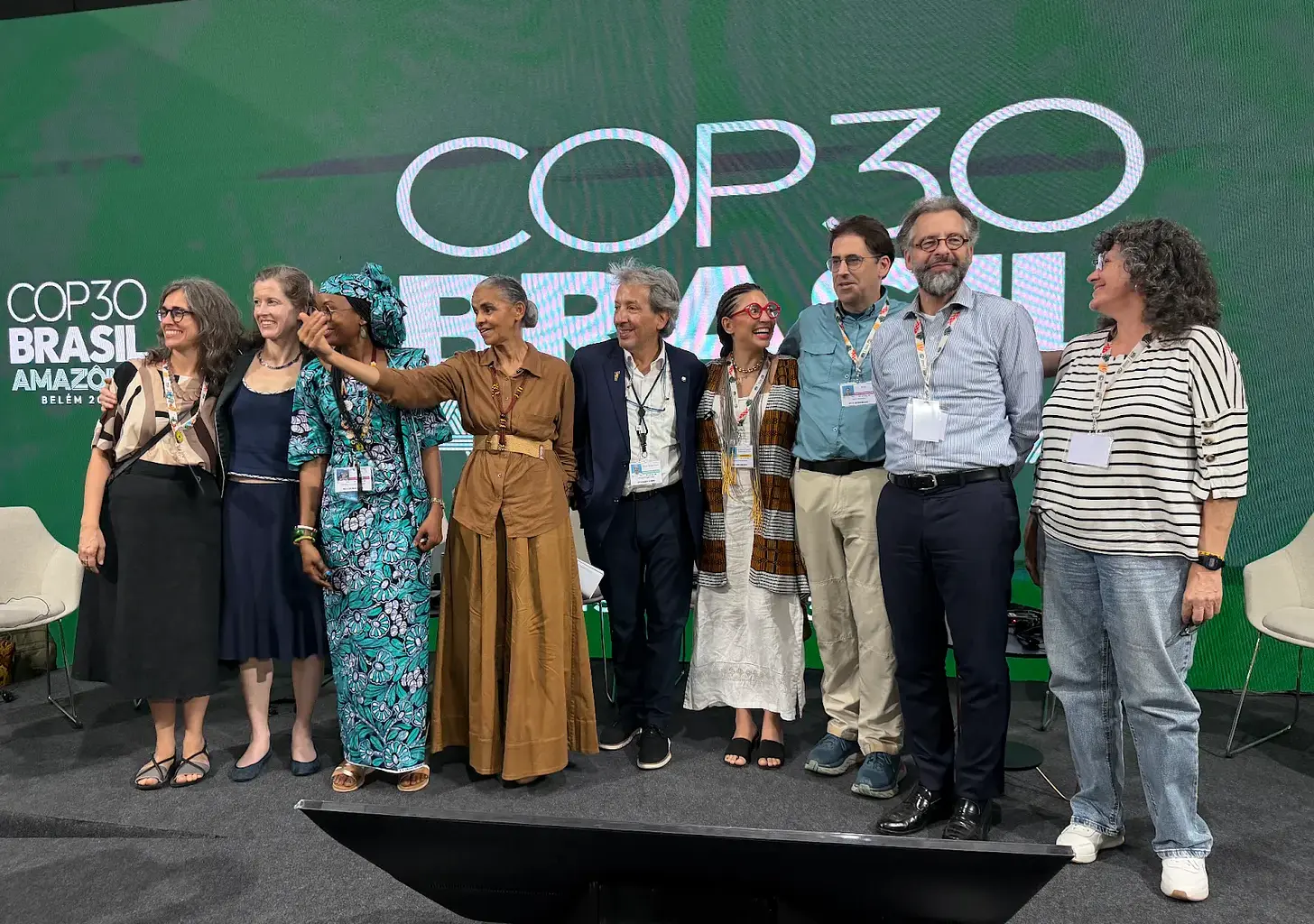
The Global Ethical Stocktake is a worldwide shared examination of conscience. Organized by Brazil’s Minister for the Environment and Climate Change Marina Silva and the COP30 Presidency, the Global Ethical Stocktake calls the world to reflect morally and ethically about the current state of climate action.
Marina Silva opened Thursday evening’s Global Ethical Stocktake event by telling the audience that the solutions to climate change are not technical; they are ethical. We have the technical and scientific ability to solve climate change. Where we have had difficulty is with political will and personal commitment.
The idea for the Global Ethical Stocktake was born at COP28 in Dubai, where the results of the first Global Stocktake were announced. The first Global Stocktake was a scientific and technical assessment of each party’s progress on climate mitigation and adaptation.
In the two years since, the idea to do a similar process for global moral and ethical thinking on climate change took shape.
Silva said, “This effort was to bring together indigenous people, religious, artists, youth, with different languages to carry out an assessment—what are the key issues related to climate change? Why do we make decisions that contradict science? Why do we have good ideas and then not implement them?”
The first Global Ethical Stocktake event took place during London’s Climate Week in July. Participants gathered to answer the five questions and their responses were collected and contributed to the Stocktake. Five other events followed, from Addis Ababa to Bogotá to New Delhi. The United States Global Ethical Stocktake was held in New York at the Center for Earth Ethics.
In addition to these events, organizers posted instructions online for people who wanted to hold their own Global Ethical Stocktake event and submit their responses. It was truly a global effort.
Leaders of the worldwide Global Stocktake Events joined Silva on the panel and shared their experiences and thoughts on the process.
Managing Director for Africa and Global Partnerships, World Resources Institute Wanjira Mathai called global warming a crisis of values in the context of climate denialism and erosion of the concept of truth. Like Silva, Mathai advocated thinking beyond the technical stocktake.
Mathai affirmed that multilateralism should be based on solidarity, justice, and responsibility, echoing the sentiments expressed during the Presidency Consultation with NGOs and Constituencies on Wednesday. She reminded us that the most vulnerable are the ones who bear the worst impacts of climate change and asked, “How do we transform the decisions made at COP into practical areas that can transform people’s lives?
Karenna Gore, director of the Center for Earth Ethics, began her comments with a quote from Ida B. Wells: “The way to right wrongs is to shine the light of truth upon them.” Asking questions and engaging in a broad conversation is one way to shine the light of truth on climate change.
Acknowledging the role the United States has played in emissions, both historically and on an ongoing basis, Gore asked, “How do we make sure developed countries contribute what is needed?”
Organizers hope to make the Global Ethical Stocktake a permanent part of the official Paris Agreement architecture.

About Texas Impact
Texas Impact exists to put faith into action. We equip faith leaders and their congregations with the information, opportunities, and outreach tools to educate their communities and engage with lawmakers on pressing public policy issues. We are an interfaith group that works together on issues that impact the most vulnerable people in our communities. We help people live out their faith in the public square, moving the faith community from charity to justice.
A note to readers: Bold and uncensored, The Austin Chronicle has been Austin’s independent news source for over 40 years, expressing the community’s political and environmental concerns and supporting its active cultural scene. Now more than ever, we need your support to continue supplying Austin with independent, free press. If real news is important to you, please consider making a donation of $5, $10 or whatever you can afford, to help keep our journalism on stands.