
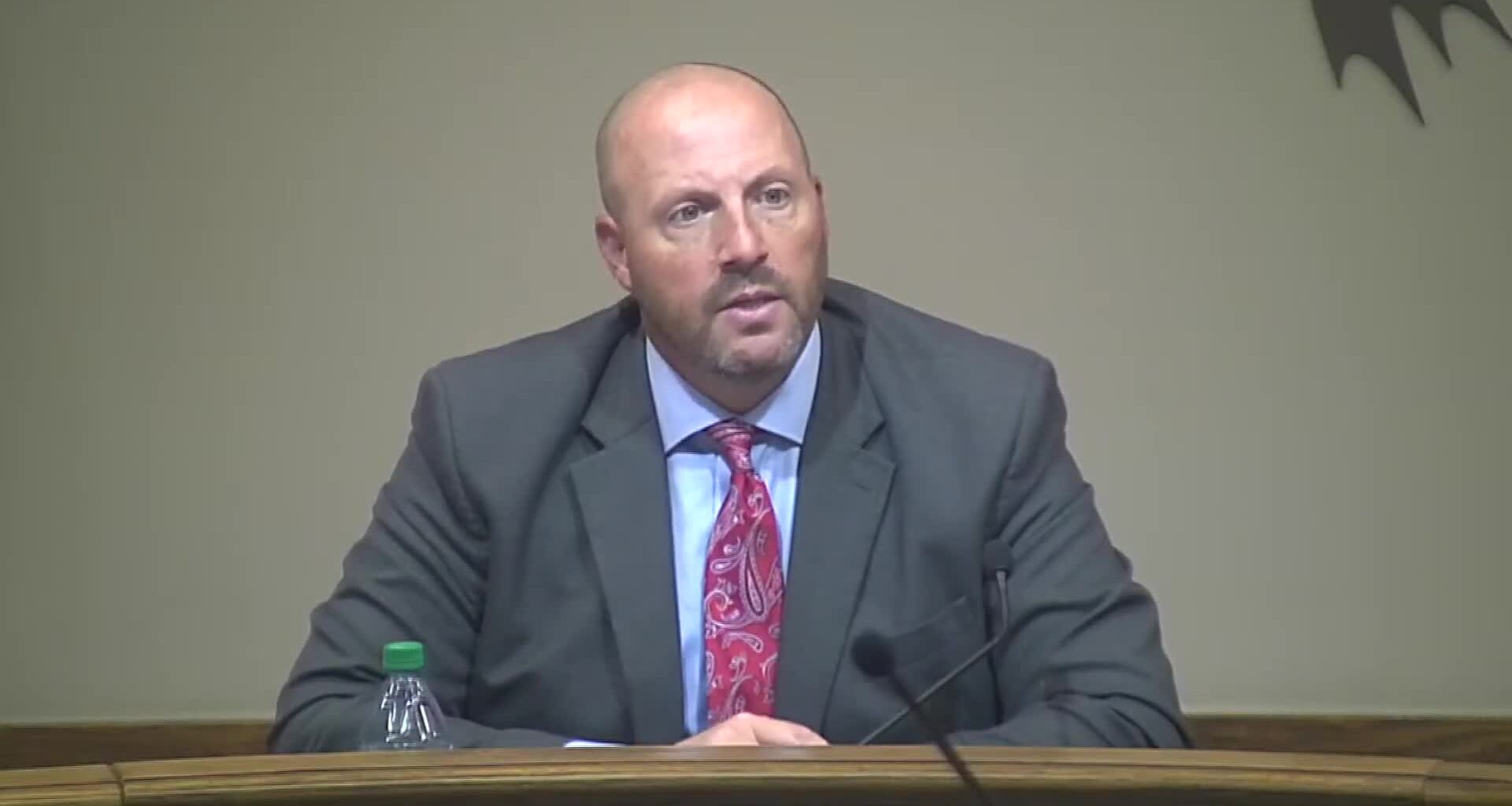
Kim Callison, presenting progress measures, told the board that early 9-week STAR results showed gains in some areas (notably middle-school math and certain growth measures) but noted reading remains the district’s biggest concern, particularly in third and fourth grade.
“Reading is my biggest concern,” Callison said, describing third-grade reading as lower than last year at this same checkpoint and noting 30% of third-grade teachers are new to STAR. She highlighted middle-school math gains (double-digit growth in several cohorts) and warned that some observed high jumps (for example, in fifth-grade science) will be monitored to ensure they are not anomalies.
Callison outlined actions to address reading and writing deficits: weekly video tips for teachers, a writing-focused month of professional development in November, adjustments to district assessments, and increased coaching through executive principals and campus PLCs. She also described a shift from Istation to Amira (an AI-based reading tool) for K–2 to provide more authentic reading practice and immediate feedback.
Trustees requested campus-level breakdowns and side-by-side year comparisons to better understand trends; administration agreed to provide more granular data and to attach additional reports to district updates.