
DALLAS – The city of Dallas is working to make changes after a report found it is the most dangerous large city in the state for pedestrians and drivers.
The report shows that, according to Texas Department of Transportation data, Dallas residents are killed or seriously injured at a 57% higher rate than residents in Austin, El Paso, Fort Worth, Houston, and San Antonio.
The city maintains its “most dangerous” title compared to its suburban neighbors as well.
The head of the city-appointed group working to discover what makes Dallas streets so dangerous found that in many cases, the city is failing to enforce its own policies.
 Fixing Design Flaws
The Street Design Manual Work Group found that one thing that makes Dallas streets so deadly is the way they are designed.
“They replaced the concrete, but they did not put in a curb cut with a ramp so people who have mobility issues could use the crosswalk. It dead ends into a curb,” said Melissa Kingston, the work group chair.
From no curb cuts to those that face the middle of the intersection instead of a crosswalk, Kingston said those design flaws are just the beginning of what makes Dallas streets so dangerous.
“The city wasn’t requiring correct turn radii. If you have a wide turn, it allows people to travel safer into the other lane. But if you have a narrow turn radius, they have to slow down to make that turn,” she said.
Lowering Speed Limits
Dallas recently tried to get legislation passed to allow the city to lower speed limits in neighborhoods more easily. But that legislation failed.
Kingston said the city has better tools to slow down drivers.
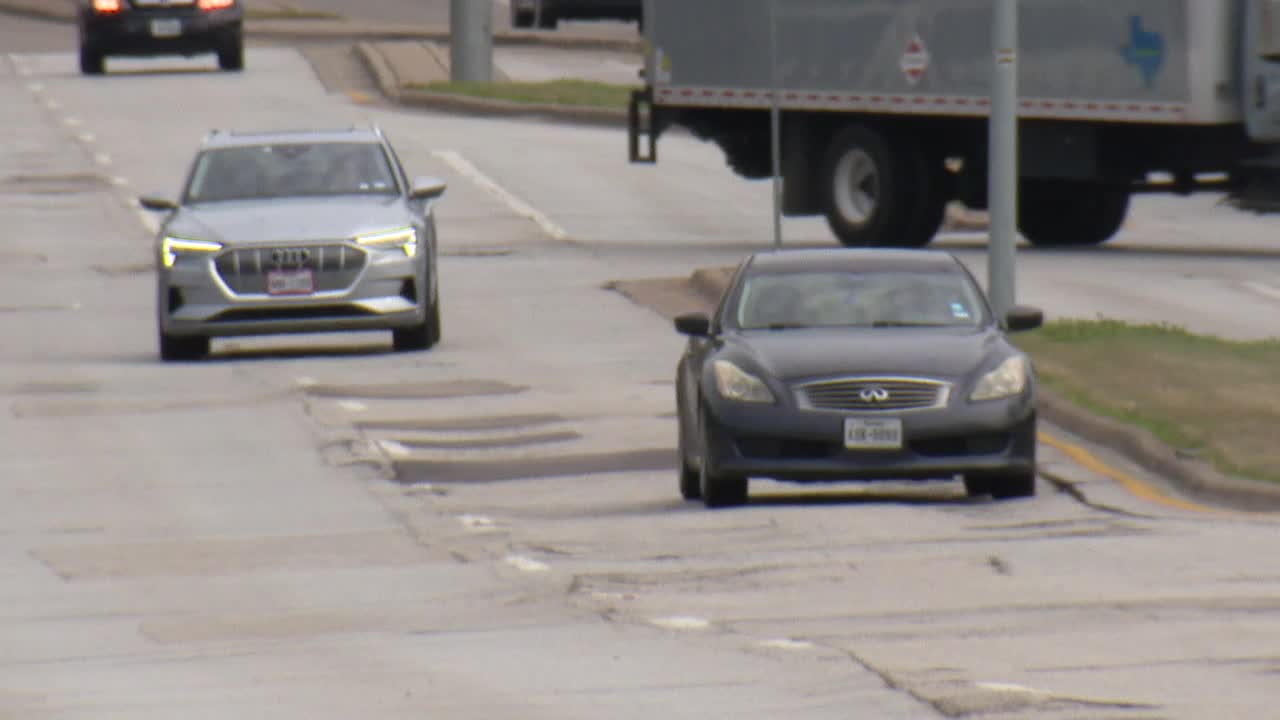
“If you have a road like this or Skillman, where the speed limit is 30 or 35, and people are sailing at 50, they are sailing at 50 because we have designed the streets to do that. We have wide lanes, many lanes, and not enough things to slow them down,” she said.
Additional methods to slow traffic are in the works on Skillman and Maple avenues, two of Dallas’s most dangerous streets.
“Turning the center lane into a dedicated turn lane has not reduced efficiency, but it has improved the safety,” Kingston said.
Driver Education
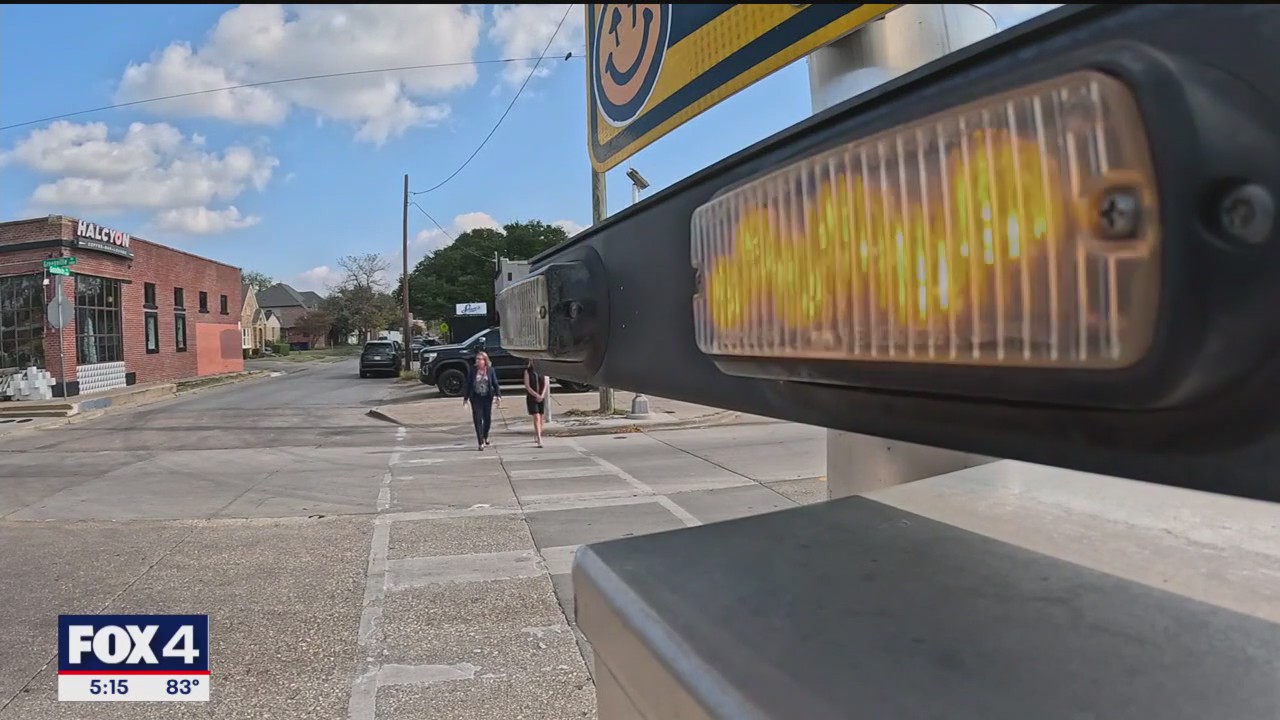
At Greenville and Goodwin avenues, many drivers ignore newly installed crosswalk beacons.
“I pushed the button. It took me three times to push the button to have a car stop. They just rolled right through it,” Kingston said. “This is a fairly large apparatus with flashing lights. When you see that, it should be a clue to you as a driver that you need to be paying attention to what’s going on.”
Kingston believes all of this points to the need for more driver education.
And while Dallas is a car-centered city, she said it is possible for it to be both efficient and safe for pedestrians.
“Just a shift in how we view the world around us,” she said.
Roundabouts
Another suggestion for improving street safety is the use of roundabouts to deter speed.
Dallas’s director of Transportation and Public Works will be reporting back to the city council with specific steps he thinks the city needs to take.
The Source: The information in this story comes from an interview with the Dallas Street Design Manual Work Group Chair Melissa Kingston, comments made at Monday’s transportation committee meeting, and a Dallas report on traffic safety.