
AUSTIN, Texas — In 2019, the state Legislature amended a law that made it harder to pass big property tax increases for local cities. The Texas Legislature passed Senate Bill 2, which requires most large cities and counties to leave it up to the voters if the city demands a property tax increase of more than 3.5% over the previous year.
The City of Austin found itself in a steep hole financially, so it posed a question to residents to increase their property taxes by 20%. It was known as Proposition Q on the Nov. 4 ballot, and it aimed to generate $110 million for the city to help fund essential services, according to city leaders. However, Prop Q failed, with 63% of voters saying they don’t want another tax increase.
“My first reaction is disappointment that we weren’t able to get this across the finish line,” said Mike Siegel, a member of the Austin City Council.
The Save Austin Now PAC helped lead the charge against Prop Q. Matt Mackowiak said people in Austin had enough of property tax increases.
“The City of Houston was in a very similar position to the City of Austin, but instead of increasing taxes and doing a tax rate election like Austin proposed, they did an outside efficiency audit,” said Mackowiak.
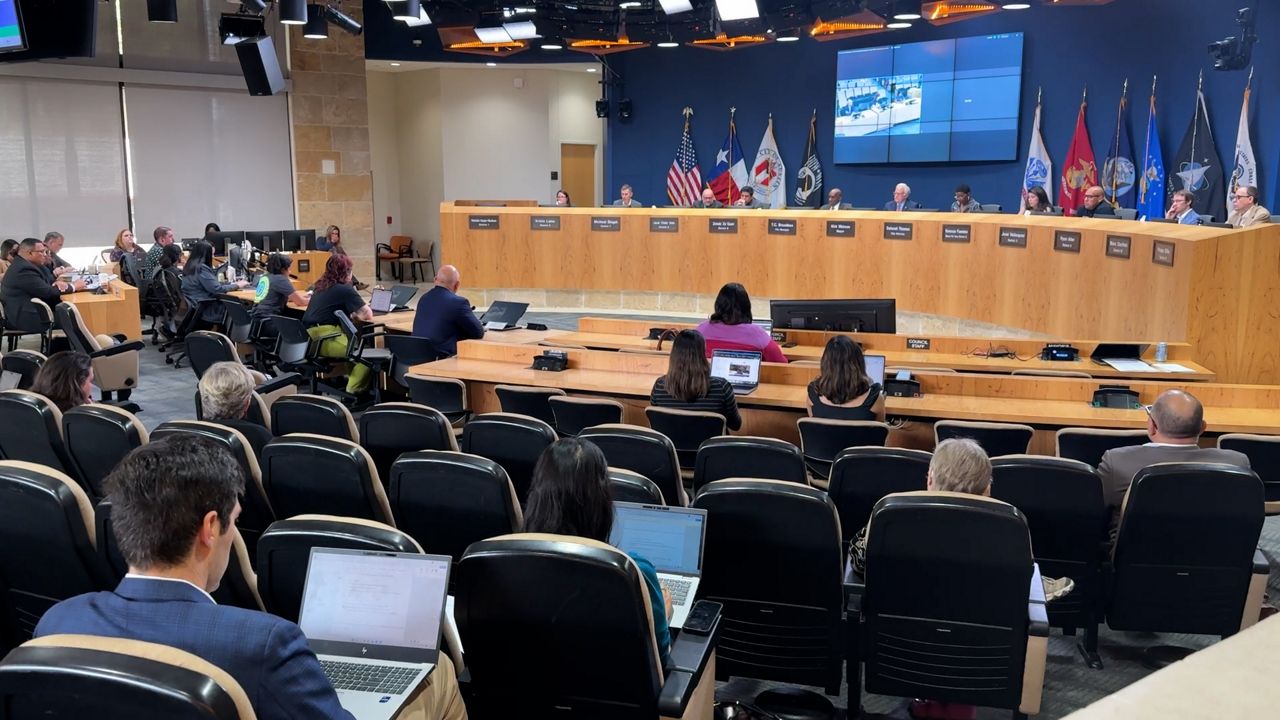
City leaders are debating how to balance the books. Both Segel and fellow council member Paige Ellis said cuts are going to happen.
“We’re looking at basic city services that we’re going to have a hard time funding,” said Ellis.
A couple of days after Prop Q’s defeat, Austin City Manager T.C. Broadnax introduced a balanced budget. It quickly gained opposition from the first-responder community because it cut $1 million from the local fire department and $6 million from emergency medical services (EMS).
The Emergency Medical Service Association in Austin said in a joint letter with both police and fire associations that “inadequately funding EMS, fire, or police will weaken emergency response and magnify the negative effects of reductions elsewhere.”
Austin police are also looking at a reduction in overtime pay. Several council members are advocating for keeping funding for public safety. While the city manager brought a proposal to the table, it does not mean it will pass.
Both Ellis and Segal agree that funding public safety needs to be a priority.
Other advocates at a city work session on Tuesday were proposing cuts to the police department to help fund other areas. According to VOCAL-TX, state law prohibits reducing the police budget, but the city can legally keep the police budget flat by cutting about 100 vacant positions that could help restore critical programs.
The Austin City Council will give the final approval of the revised budget sometime before Thanksgiving.