
This Texas Tech project promotes literacy and bonding by pairing Lubbock County inmates
with recordable devices so their children can play audio of them reading.
CREATORS

Curling up with a picture book in the lap of a parent after a warm bath is an expert-recommended
bedtime routine.
The act is much more than story time. It’s strengthening bonds and building early
literacy skills that will help the baby or toddler learn to read easier once they
start school.
But not all children are provided these vital moments each night. Some are coping
with the absence of a parent who is incarcerated.
This lack of connection can be detrimental as learned by Kyle Roberson, Texas Tech University assistant professor of Family & Consumer Sciences Education. As a retired educational administrator with the Federal Bureau of Prisons who earned
his doctoral degree in family and consumer sciences education from Texas Tech in May
2019, Roberson’s research is focused on educational programming within prisons and
jails and the well-being of incarcerated individuals’ families.
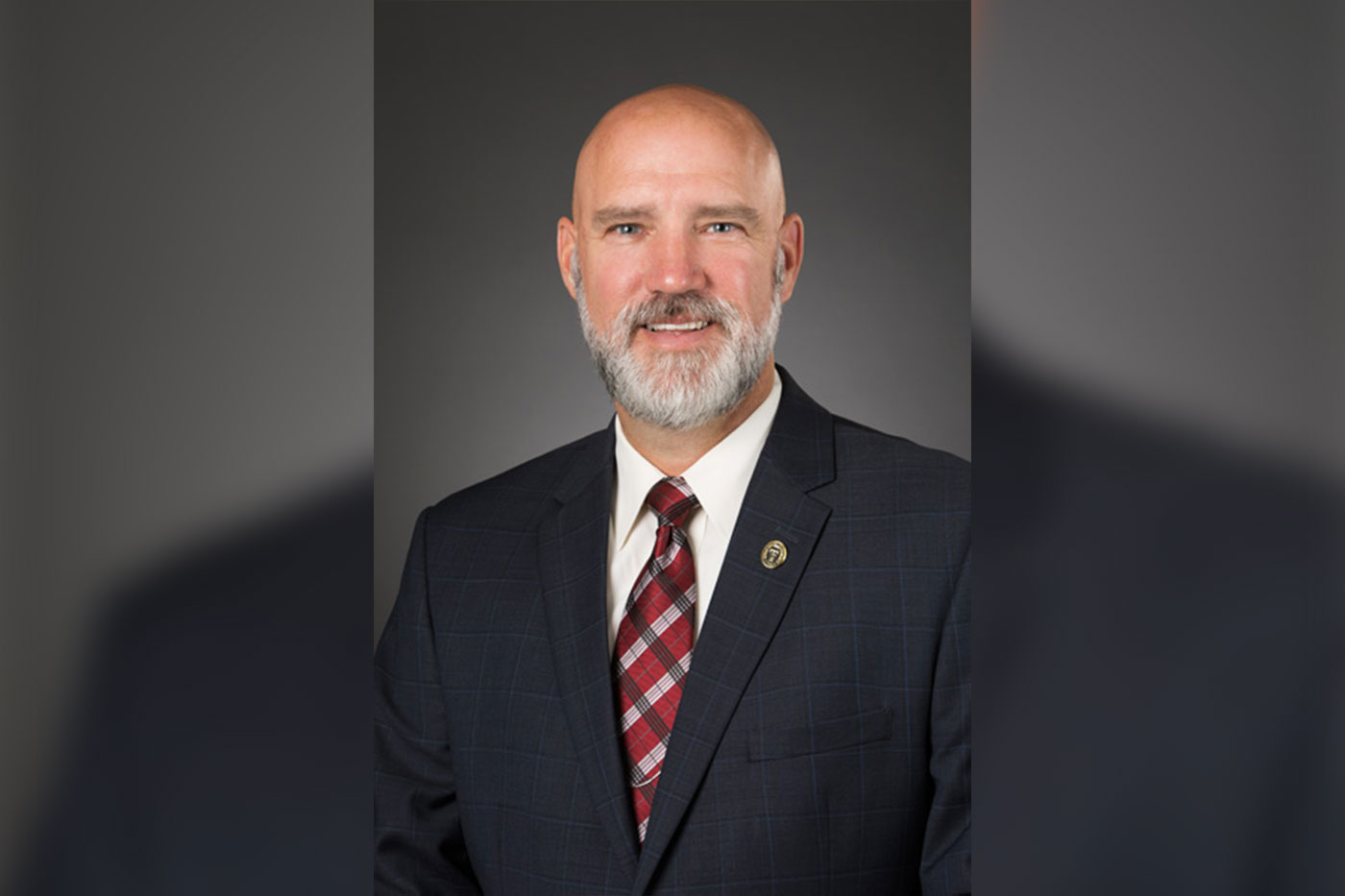 Kyle Roberson
Through this work, he has become concerned about the futures of children with incarcerated
parents who are missing a critical influence to read.
“We know that kids who stay in school generally do better in society, and we find
that the kids who don’t drop out of school are good readers,” Roberson said. “If they’re
not reading on level by fourth grade, they’re more likely to be justice-involved when
they get older. So, we’re trying to catch them early.”
Roberson found a creative way to promote literacy and build stronger bonds among families
separated by jail bars through an interesting technology he discovered from his wife,
a third-grade reading and writing teacher at Lubbock Independent School District.
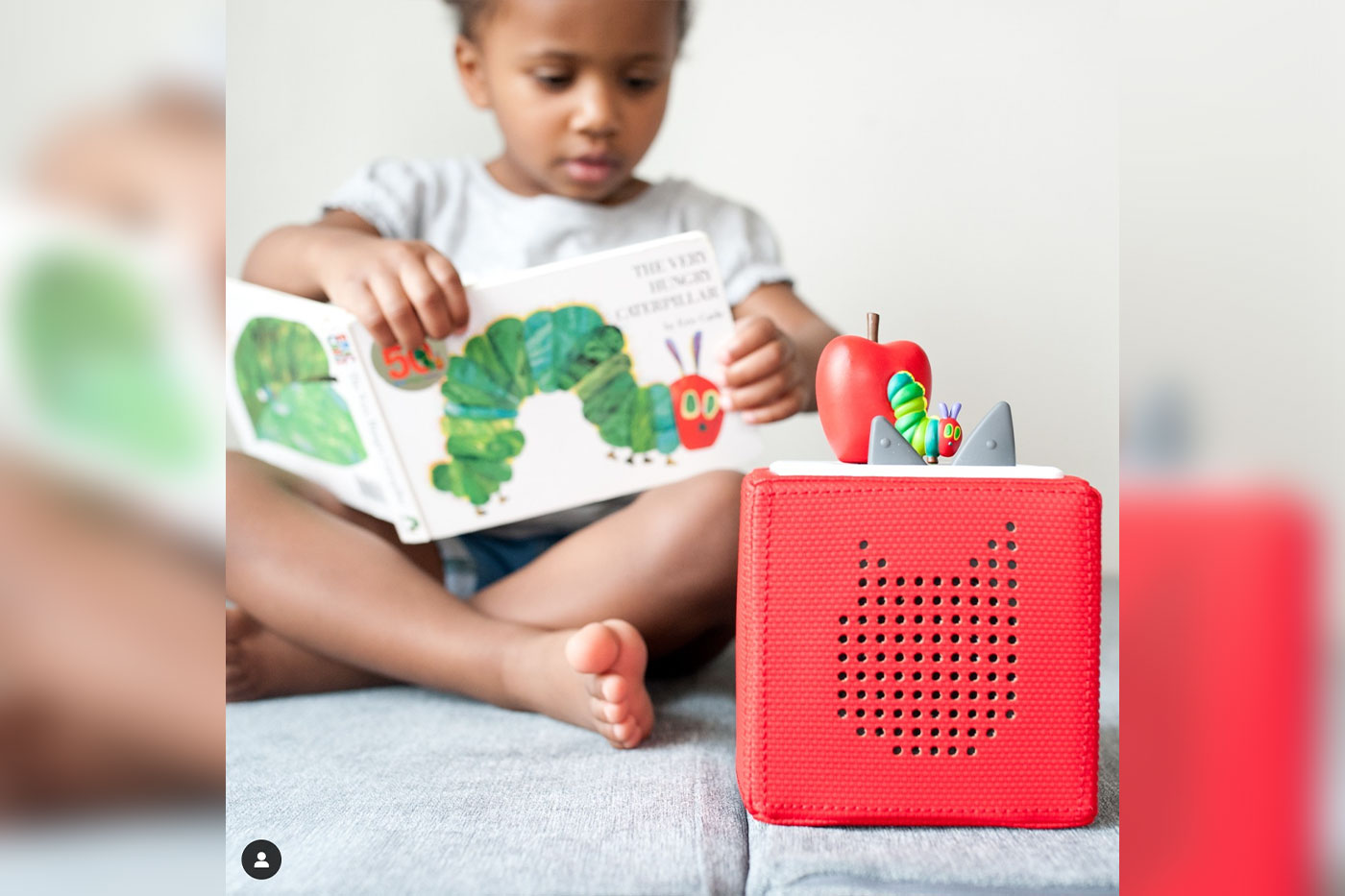
She applied for and received a Toniebox through a partnership between tonies and the
American Association of Family and Consumer Sciences (AAFCS). Roberson attended the
2025 AAFCS Conference with her and met Drew Vernon, the director of education for
tonies, who was giving Toniebox demonstrations.
Roberson was unfamiliar with the device, described as a screen-free audio system.
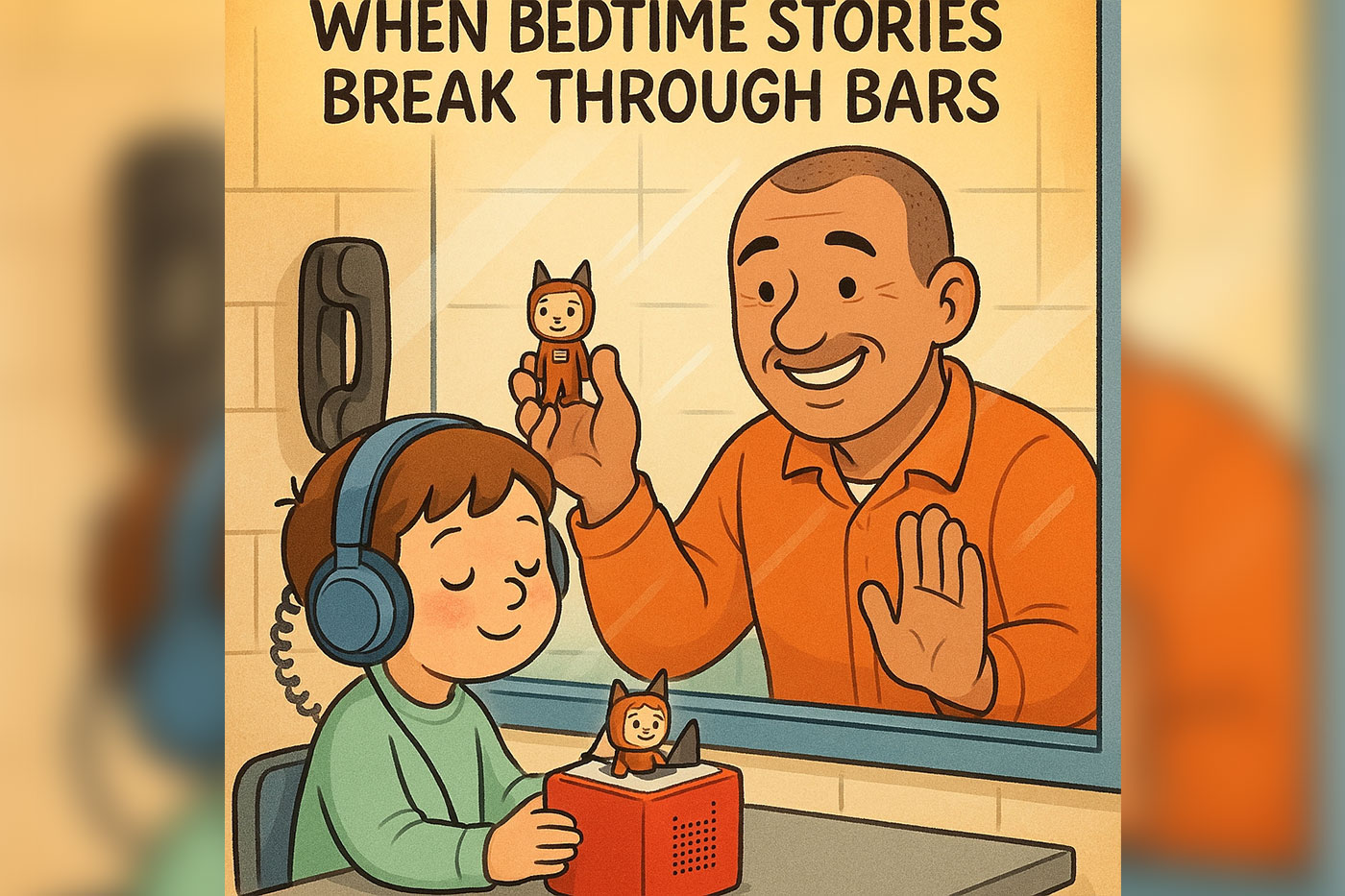
Children can place a small figurine onto a speaker called a Toniebox that will play
a prerecorded storybook along with songs, ranging from Disney adaptations to classic
fairytales. The simple user experience allows the story to be paused if the character
is removed and resumed when it is replaced onto the box – easy enough for babies as
young as 1 year old to operate.
It was the Creative Tonies that caught Roberson’s attention, though, giving users
the ability to record up to 90 minutes of content onto a blank figurine. He believed
such technology would be transformational for his Community Engaged Scholarship work
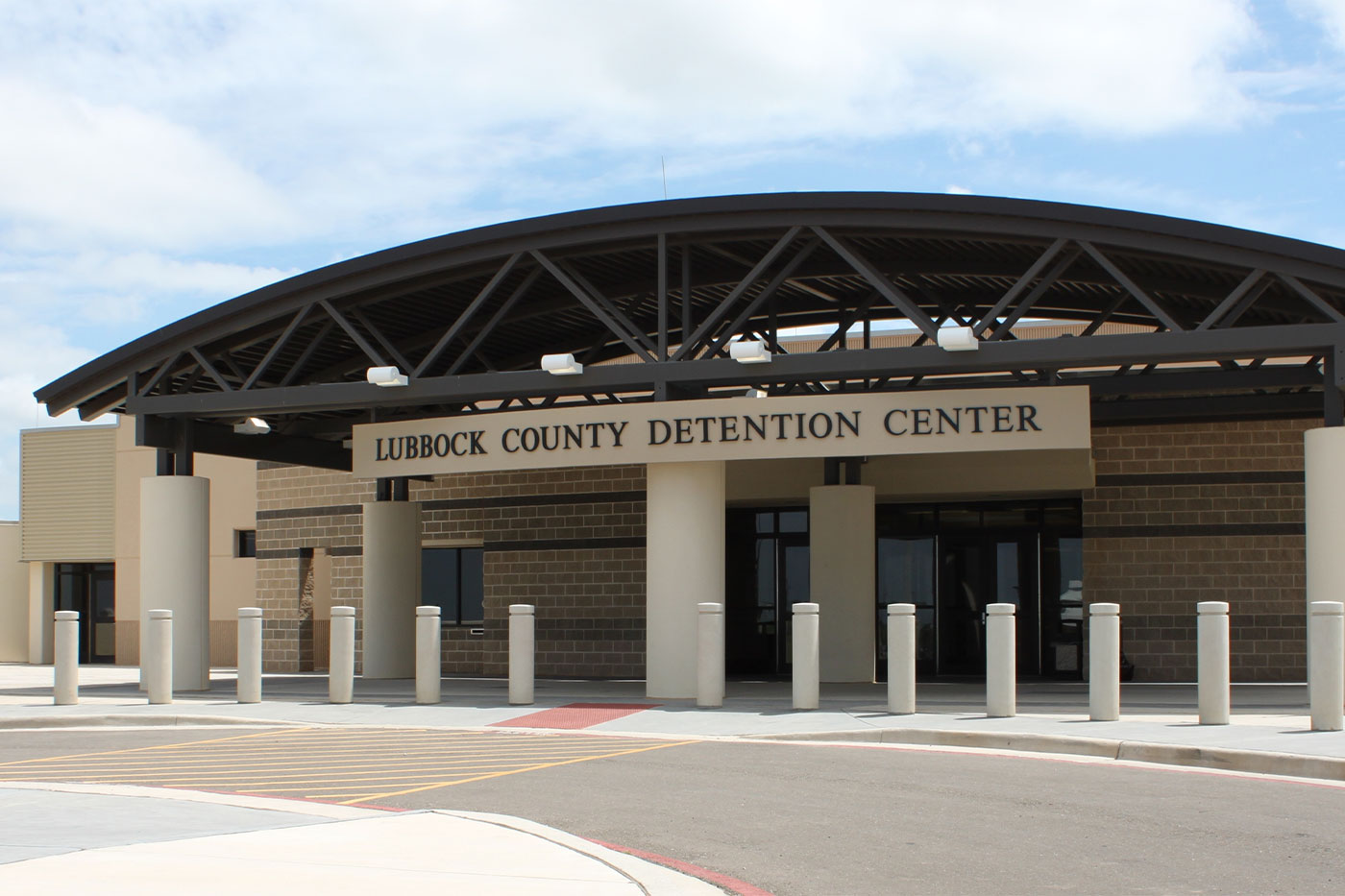
at the Lubbock County Detention Center, in which he provides opportunities for incarcerated
parents to connect with their kids through literacy.
He imagined inmates recording messages and picture book stories onto the tonies, which
would then be given to their children and played on repeat.
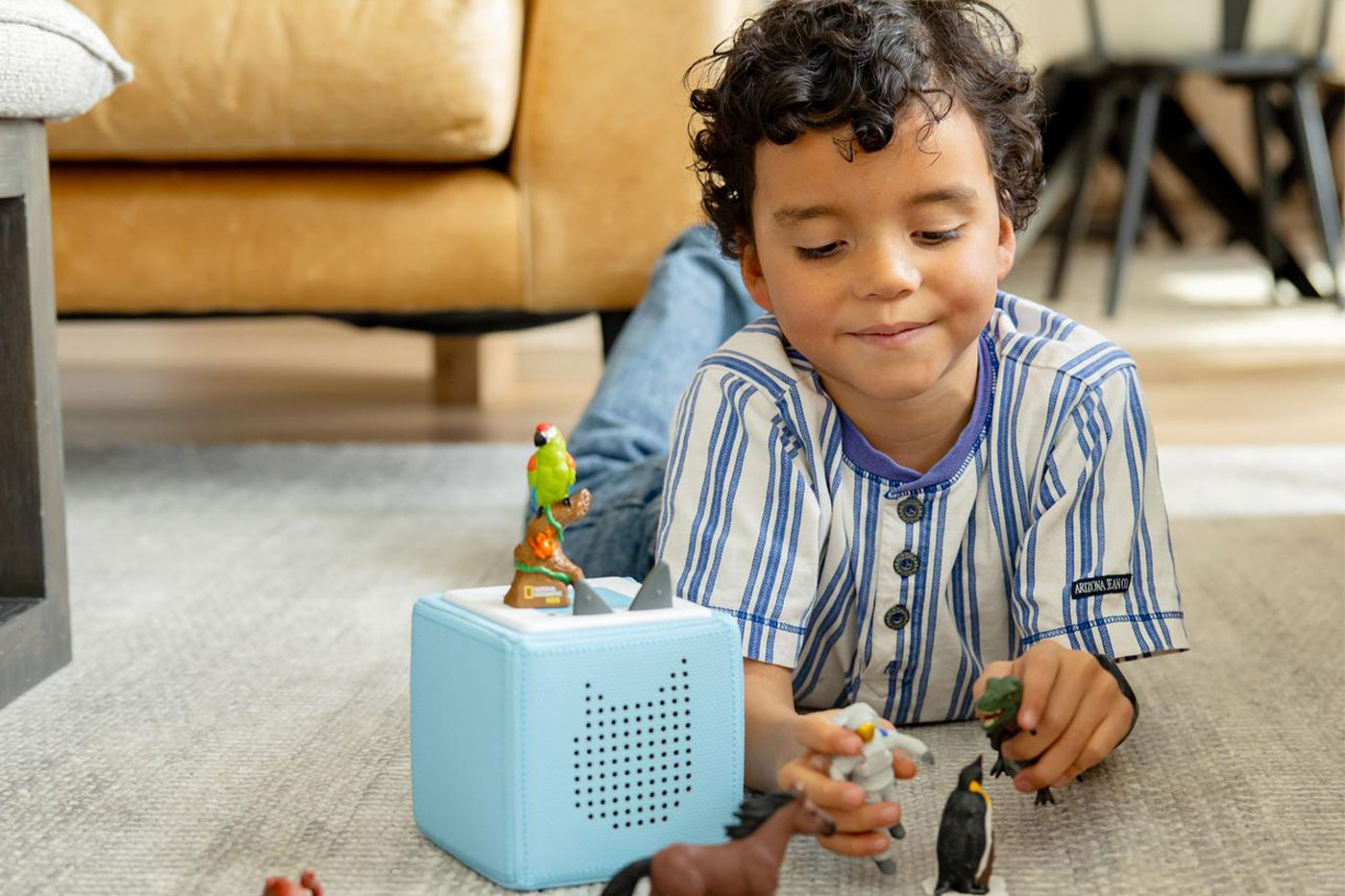
“Once we record, families who have these tonies at home will hear their parent reading
to them on their Toniebox,” Roberson explained. “It’s just helping create that connection
and when they miss their parent, they can hear their voice at any given time without
waiting for a phone call.”
Roberson pitched his idea to Vernon, who was eager to explore a collaboration in line
with the company’s mission and values.
“As I got to know Kyle and learned about his work with the detention center, it became
clear that there was an opportunity for us to use the Toniebox and Creative Tonies
in this type of setting,” Vernon said. “My hope with tonies in this particular program
is it can be more than a toy – it can actually be a tool for families to connect together
intergenerationally and to make a really strong social impact as well.”
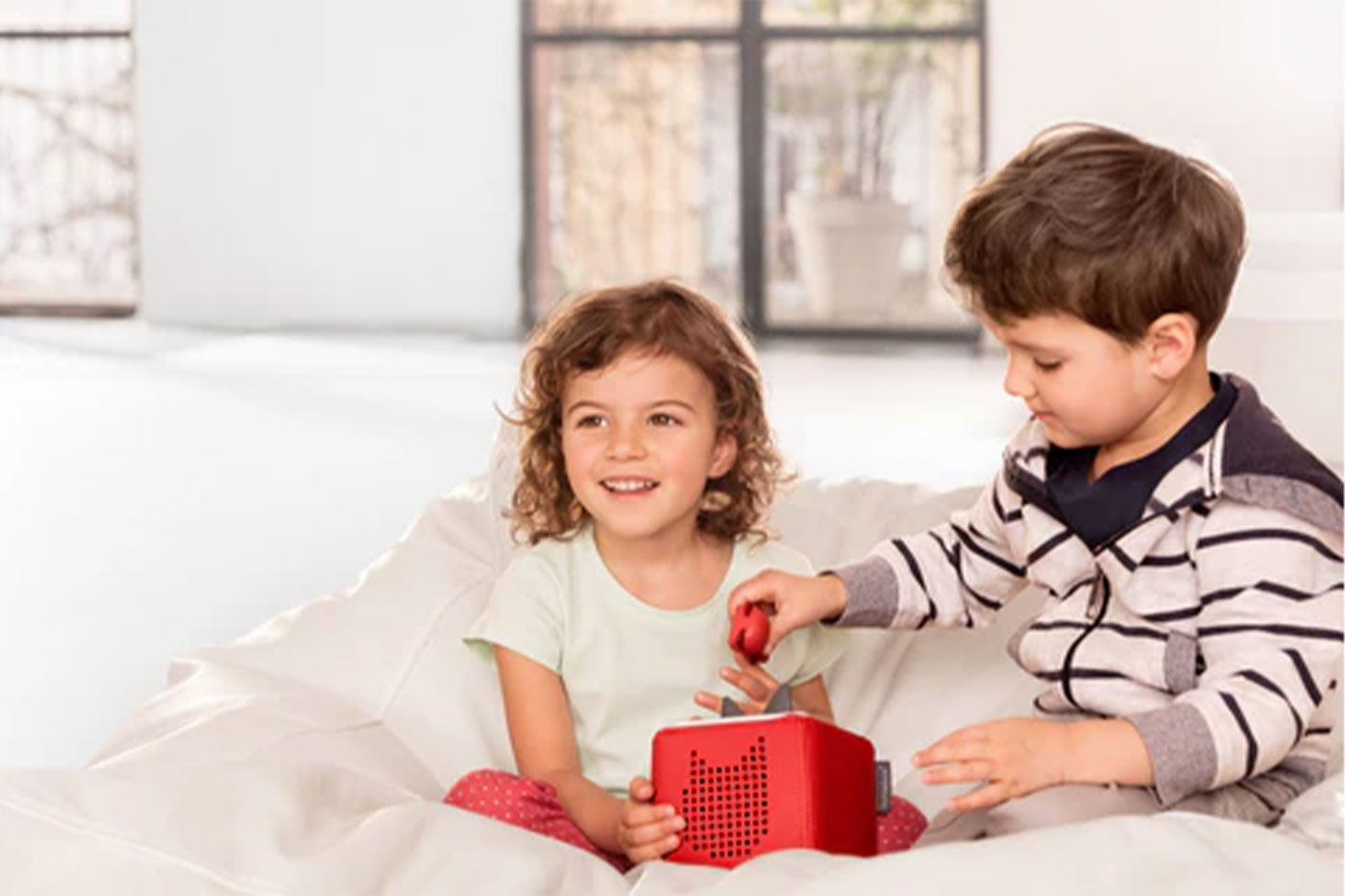
Roberson and Vernon determined the pilot project would take place with 10 Lubbock
County Detention Center inmates who have children ages 10 and under. Each family unit
would receive a Toniebox along with several tonies, and they worked with local libraries
to ensure additional tonies could be checked out. Roberson gathered even more content
to share with the participants through a partnership with Texas Tech Public Media and PBS KIDS, which provided activities to pair with the audiobooks.
As these emergent readers listen to their tonies, they lessen their screentime and
strengthen their minds and creativity. Furthermore, they have the unique opportunity
to hear positive encouragement from their incarcerated parent to engage in literacy,
which supports the reading skills they need to reach graduation.
“I think giving them the right tools is going to help increase their chances for success
as they grow older,” Vernon said. “We are making sure that they’re educated and have
the lively imaginations they need to grow up and be productive members of society
so they do not end up in the justice system.”
Roberson provides two foundational books for the inmates to read: “The Invisible String”
by Patrice Karst and “Lily & Stanley: Making Friends and Helping Others,” which he
authored himself.
He also monitors their personal messages recorded to the tonies, which can be erased
and rerecorded as the program continues.
“We have to think about security measures, but we’re right there recording with them,”
Roberson said. “They can do a personal message like, ‘Hey, I picked this book out
for you because it made me think of you’ and those kinds of things.”
Roberson will work out the logistics of the tonies collaboration starting this fall
and into summer 2026, after which he will analyze the program data.
“The idea is to keep the content flowing,” he said. “The more you can send books home
to kids, especially during the summer months, the more emergent readers they become.”
Roberson acknowledges this positive outreach would not be possible without the cooperation
from the Lubbock County Detention Center. Alongside his work with the inmates, he
was permitted to provide empathy training for staff and correctional officers at the
facility.
“That way they understand why we’re coming in,” Roberson said. “We’re not pampering
the inmates – we’re trying to do something to help better their lives, their situation
and their families.”
Vernon is thankful Texas Tech is leading such an important charge for others to follow.
“We’re doing this as a pilot to see where it can go and how it can grow within this
particular system, but my hope is that we’ll also provide inspiration to other correctional
systems and other types of institutions across the country,” he noted.
Roberson has received praise about how impactful his project will be in Lubbock County.
In fact, he was recently encouraged to apply for a giving initiative called Onward, Texas Tech’s inaugural crowdfunding cohort.
Roberson was pleased to be selected as part of the campaign, after which he received
support and training through Advancement. Tonies even agreed to match the raised funds of up to $5,000.
“Funding is crucial to getting a good program up and running,” he said. “That support
will help curb some of the costs for our partners as we work to make this a program
that can be easily replicated. That way, we can impact communities outside our own.”