
LUBBOCK, Texas (KCBD) – Chad Curry has spent nearly three decades at UMC EMS. He’s seen a lot over the years and understands the importance of his crew being prepared at all times.
“When you think about it at the end of the day, this is someone’s worst day, and this is our opportunity to come in and change that.”
Curry estimates UMC EMS receives around 40 to 50 calls for cardiac arrest per month and says while emergency medical services attempt to get to you as quick as they can, it’s crucial as a bystander to know how respond appropriately.
“I could have a physician on scene and it’s not going to make a difference in the long-term care of the patient if they didn’t get CPR early,” Curry said.
The American Heart Association reports by starting CPR within the first 10 minutes on someone going into cardiac arrest, it may greatly improve their chances for survival. 81% of patients are given a higher chance of survival if bystander CPR was administered within the first two minutes.
“Time is brain,” Curry said, “and so the longer we go without blood flow to the brain, the worst results are going to be, including death. The sooner people get doing compressions, the better chance at survivability.”
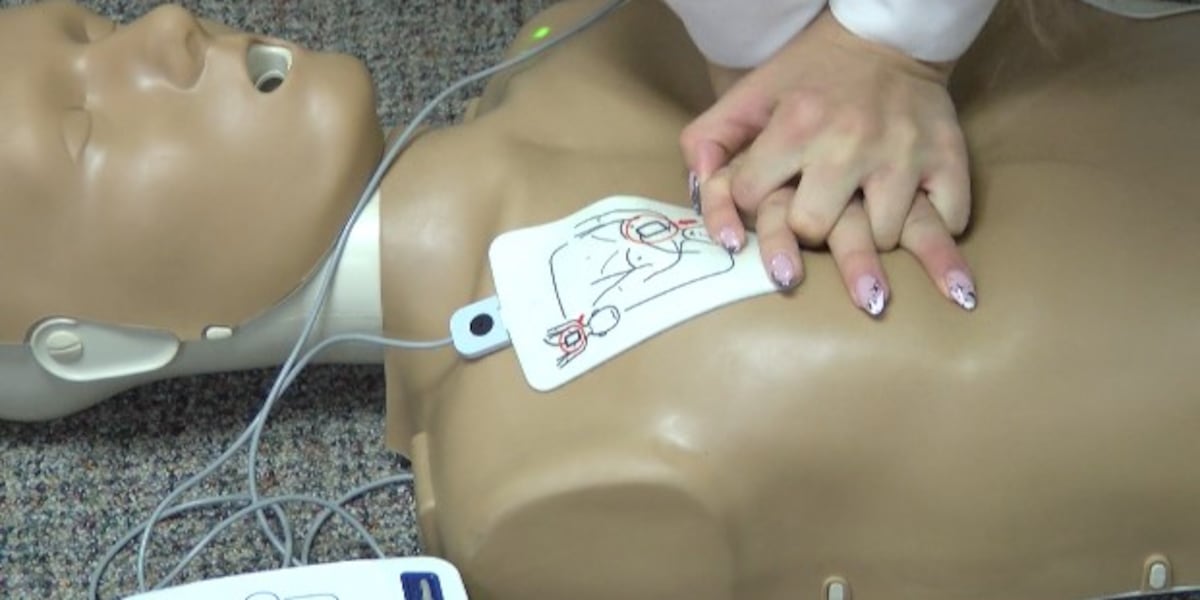
When you call UMC EMS, they’ll even give you step-by-step instructions on how to administer CPR correctly. UMC EMS also offers free hands-on training to schools, businesses and churches and more throughout Lubbock county.
While this is a situation no one wants to go through, Curry says by being able to perform CPR on someone, even if they’re a complete stranger, it could change their lives for the better, forever.
“The next thing you know, you have a story of someone that gets to go home and have their next anniversary or they get to see their kids graduate,” Curry said. “That’s what makes a difference in everybody’s life.”
A Lubbock resident is showing us why having CPR knowledge can be so crucial.
Ethan Gallegos was picking up his kids from daycare last Friday when his wife noticed a lady having troubles getting a man out of her car in a parking lot. When they stopped to help, the man had no pulse and was not breathing.
Gallegos administered CPR for three to five minutes before EMS arrived. He was a lifeguard in high school, and he says that made all the difference.
“It’s one of those things you hope you don’t have to use, but thank God I knew how to do it,” Gallegos said. “It’s one of those things that everybody should learn how to do if they get the opportunity to. I encourage anybody to go take a class or find someone in your community who’s qualified to teach it and learn it, because it can save a life, you know?”
You can find the link to set-up CPR training through UMC here.
Copyright 2025 KCBD. All rights reserved.