
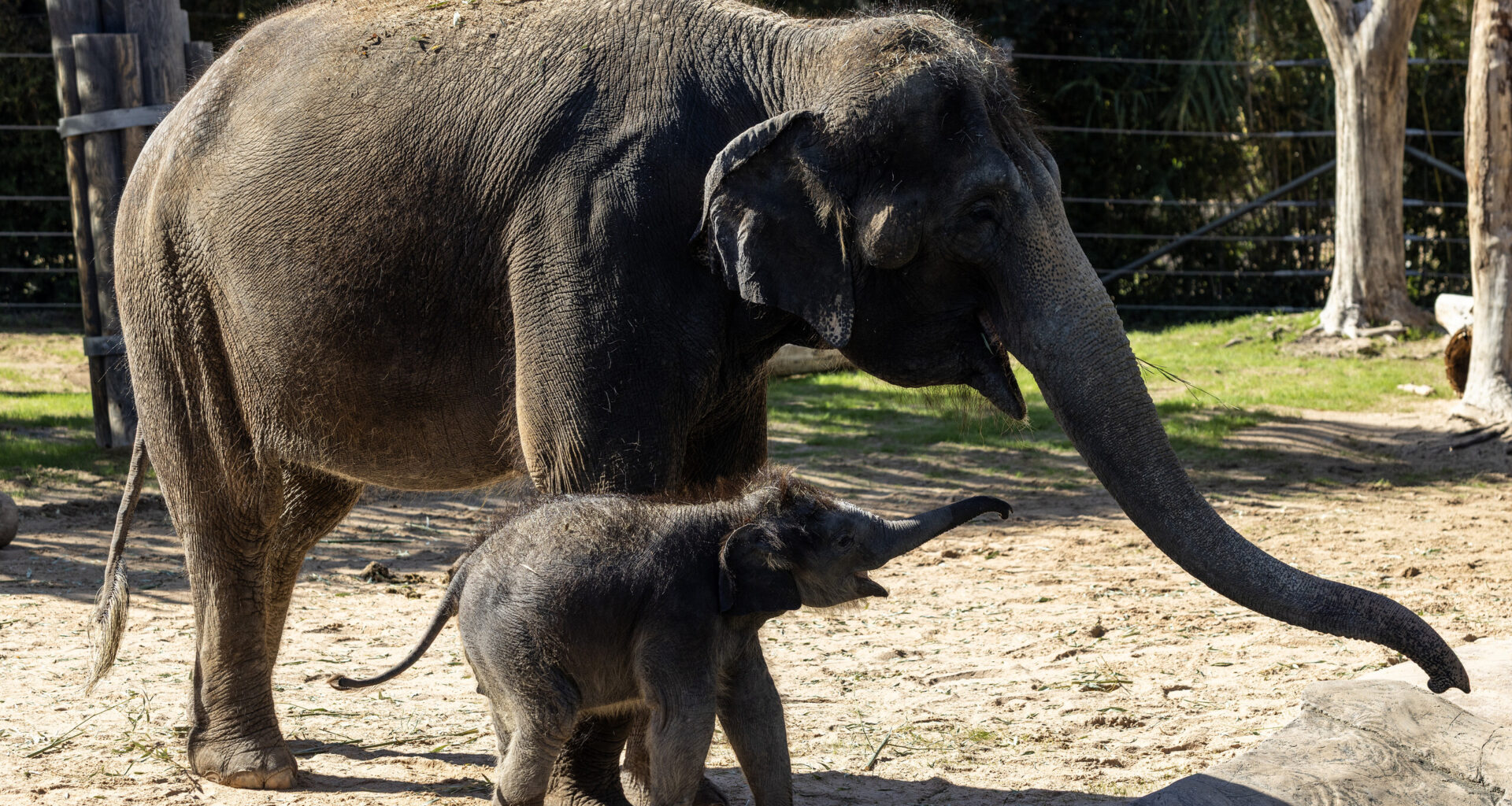
Fort Worth Zoo goers are not the only ones ecstatic over the zoo’s newest baby elephant, Lady Bird.
Her aunt Belle blows her trunk excitedly when the 3-month-old enters the habitat grounds for the day.
“Most of the time,” lead elephant trainer Christine Del Turco said, the elephants “are really excited that the baby’s coming in.”
Born in August, the 400-pound baby girl’s arrival marks a significant milestone for Fort Worth as she’s the sixth Asian elephant born in the zoo’s history.
Visitors crowd in to watch Lady Bird roam her grounds, sticking by her female relatives, including her mother Bluebonnet, grandmother Rasha and Belle. Sometimes, they even catch the baby snoozing.
The Fort Worth Zoo’s elephant herd spends 22 hours every day outside. But when Lady Bird isn’t roaming around, elephant keepers Del Turco and Tripp Gorman train and care for her.
The youngster was slowly introduced to the eight other elephants in the herd, one at a time, to make sure they all get along. Zookeepers also kept a close eye on Bluebonnet.
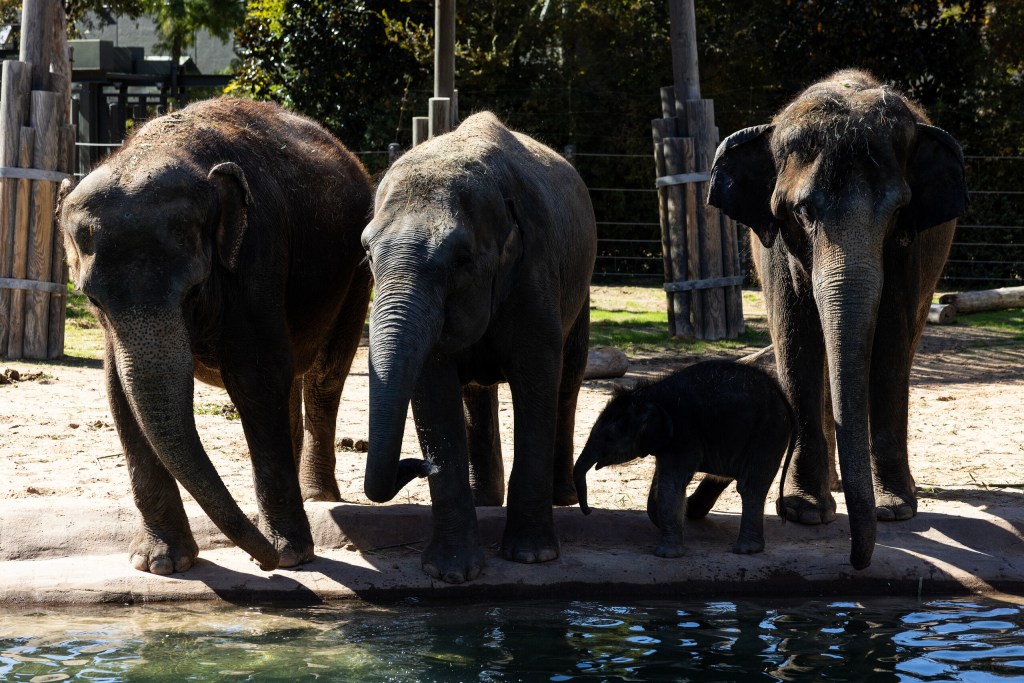 Lady Bird “Birdie,” the newest Asian elephant calf at the Fort Worth Zoo, spends time with her grandmother, Rasha, her mother, Bluebonnet, and her aunt Belle on Nov. 12, 2025. The four elephants are kept together to mimic a wild herd where the female elephants stick together for life. (Maria Crane | Fort Worth Report/CatchLight Local/Report for America)
 Lady Bird “Birdie” is the newest Asian elephant calf at the Fort Worth Zoo and she spends her day with her mother, aunt and grandmother on Nov. 12, 2025. Her mother, Bluebonnet, was the first elephant calf born in the history of the zoo in 1998. (Maria Crane | Fort Worth Report/CatchLight Local/Report for America)
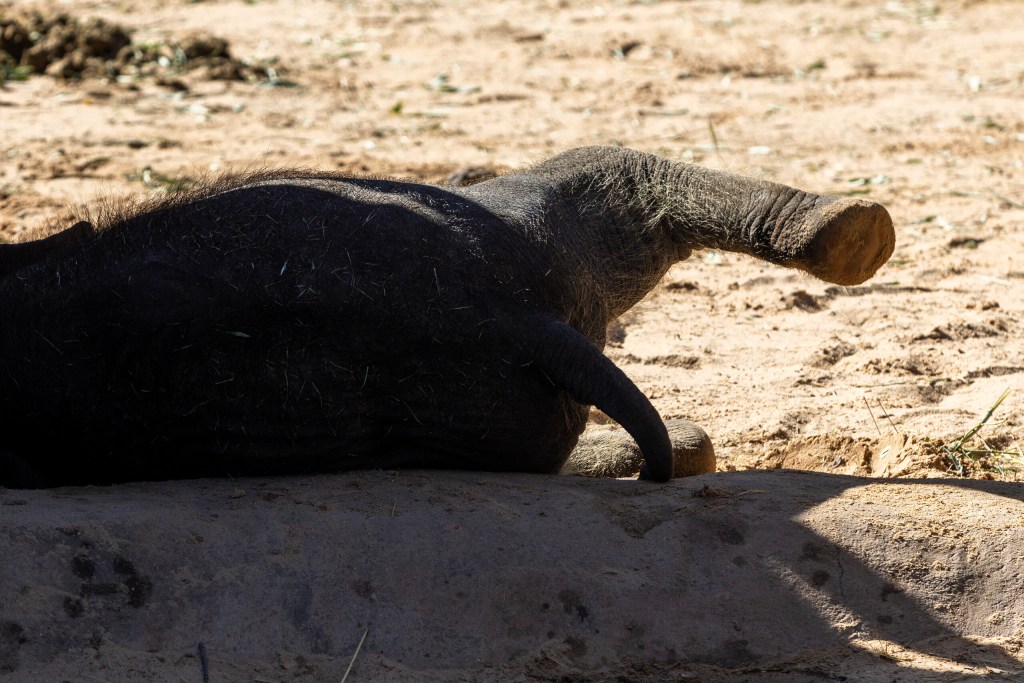 Lady Bird “Birdie” is the newest Asian elephant calf at the Fort Worth Zoo and rolls on the ground on Nov. 12, 2025. Her mother, Bluebonnet, was the first elephant calf born in the history of the zoo in 1998. (Maria Crane | Fort Worth Report/CatchLight Local/Report for America)
“Right from the get-go, we make sure mom and baby are OK, especially after birth because it’s a big stress on the body,” said Del Turco, the lead elephant trainer.
Lady Bird spent her first three months nursing on her mother Bluebonnet and occasionally nursed off her aunt Belle, the zookeepers said.
Once a baby elephant weans off nursing, zookeepers focus on the animal’s physical and mental development with daily instruction.
Training involves a lot of bathing and exercises. Zookeepers wash Lady Bird’s trunk every day and have her blow through a harmonica to train the 15,000 muscles in her trunk.
They lead her through exercises that have her standing on her hind legs to check for proper joint and muscle function. They teach Lady Bird to open her mouth, which is vital for detecting viruses or disease.
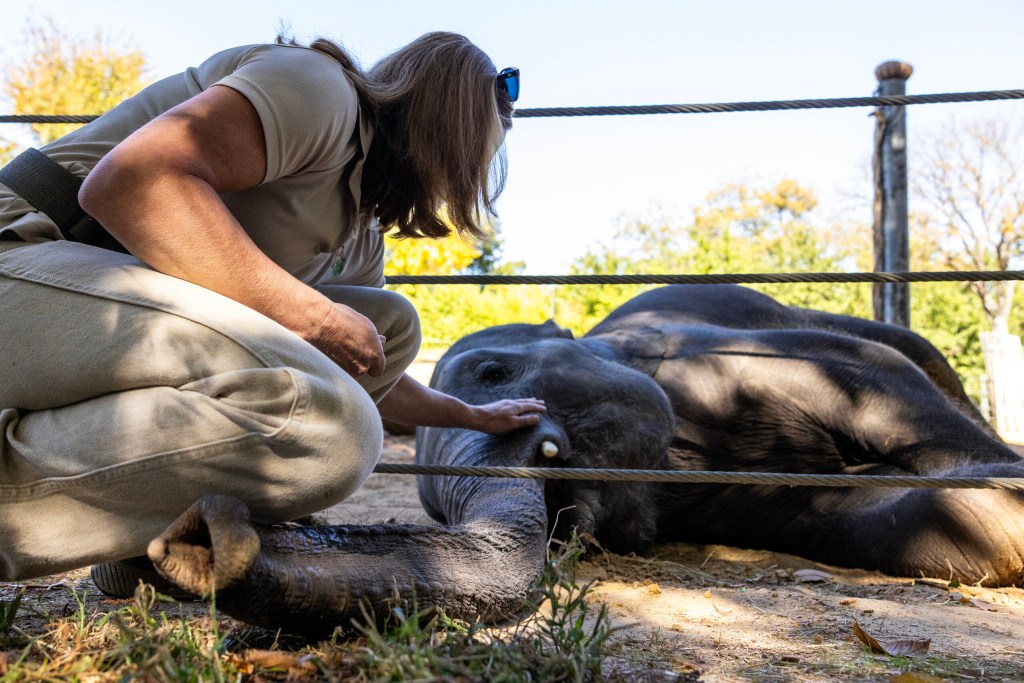 Travis, an Asian elephant, works with lead elephant trainer Christine Del Turco at the Fort Worth Zoo on Nov. 11, 2025. Travis played the harmonica, lifted his feet and balanced on his front two legs. (Maria Crane | Fort Worth Report/CatchLight Local/Report for America)
The training is not only stimulating for her but helps zookeepers establish relationships with the animal.
“It keeps us up to date on making sure they’re nice and healthy day to day,” Del Turco said.
More importantly, any unusual behavior discovered in younger elephants while they train can help zookeepers detect a sickness, such as the endotheliotropic herpesvirus.
The leading cause of death among the animals, all elephants carry the virus, Del Turco explained. Antibodies passed down from their mothers help protect youngsters for up to a year and a half before they develop their own immunity.
But not all elephants may carry those maternal antibodies up to that age, Del Turco said.
In fact, Fort Worth’s Brazos, 4, was the first elephant in the world without antibodies to receive a vaccine to protect him from the virus, zoo officials said.
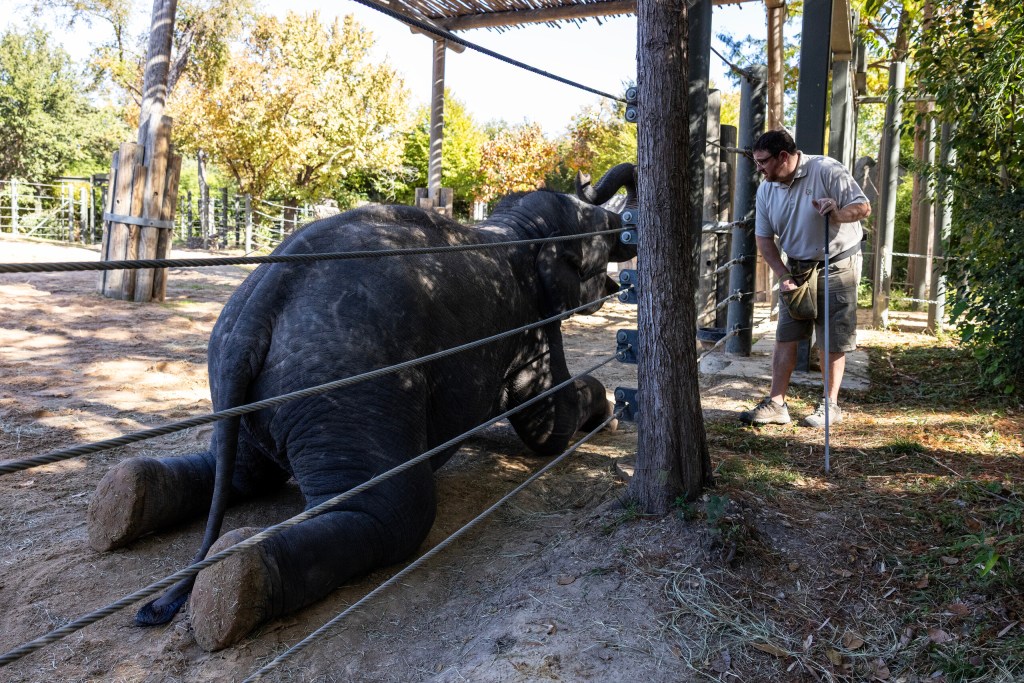 Brazos, an Asian elephant, works with elephant keeper Tripp Gorman at the Fort Worth Zoo on Nov. 11, 2025. Brazos moves around as Gorman guides him through various positions and stretches. (Maria Crane | Fort Worth Report/CatchLight Local/Report for America)
The Fort Worth Zoo is the second institution in the United States to receive the vaccine, which is administered to all young elephants across the board, regardless of their antibody counts, Gorman said.
To keep Lady Bird and the rest of the herd healthy, the zoo has professionals in elephant nutrition and blood testing. Staffers can monitor diet, vitamin and mineral needs and can detect the presence of the herpesvirus through the institution’s own lab.
These advancements and Lady Bird’s introduction to the herd make the Fort Worth Zoo a prime institution for conserving Asian elephants, officials say.
Aside from actively breeding and leading national conservation efforts, the zoo’s national conservation efforts go as far back as when the International Elephant Foundation was created in 1998.
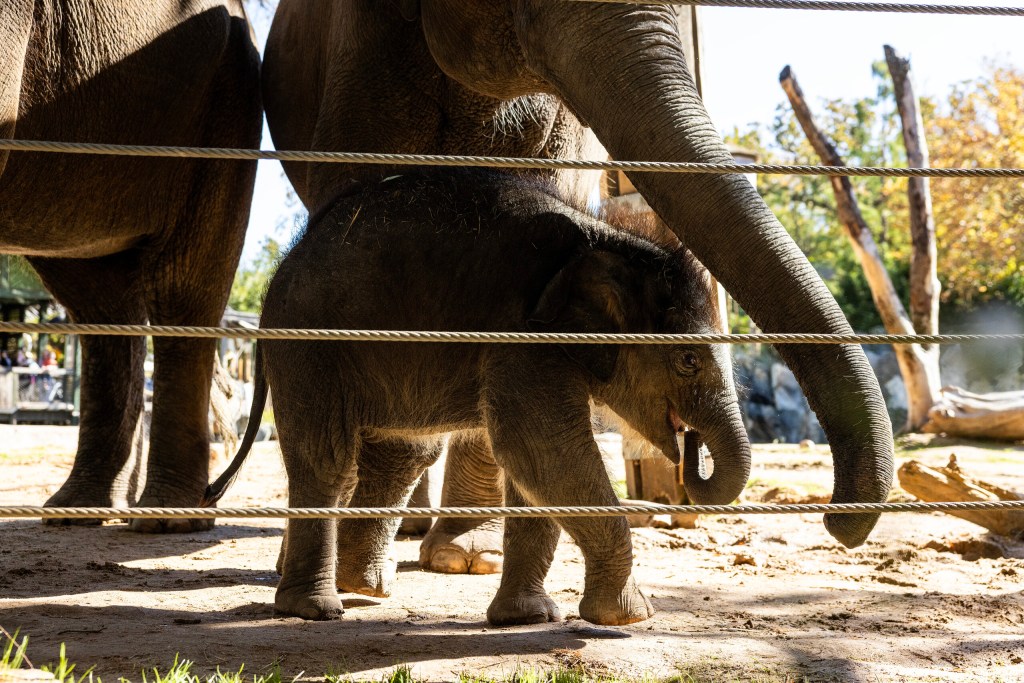 Lady Bird “Birdie” is the newest Asian elephant calf at the Fort Worth Zoo and chews on her trunk on Nov. 12, 2025. Her mother, Bluebonnet, was the first elephant calf born in the history of the zoo in 1998. (Maria Crane | Fort Worth Report/CatchLight Local/Report for America)
The zoo led the development of the nonprofit dedicated to saving elephants worldwide.
The foundation has been at the forefront of projects protecting elephants from poaching, fostering healthy relationships between humans and the animals, and increasing knowledge on the treatment and prevention of disease.
If you go
Zoo goers can catch Lady Bird and her family at the Elephant Springs habitat
10 a.m.-2 p.m. daily. The Fort Worth Zoo is open 10 a.m.-4 p.m. daily.
Today, the Asian elephant is classified as an endangered species, with an estimated 30,000 to 50,000 animals left in the wild. That’s 15% of their highest recorded population, according to the World Wildlife Fund.
Fort Worth’s herd has been fruitful in expanding the global elephant population with Lady Bird being the sixth elephant born at the zoo. Each one is capable of more offspring in the future, zookeepers note.
“It’s really special that … we’re able to have a seat at that table and also learn from others around the world, see what people are doing and how we can all work together to continue to conserve the population,” said Avery Elander, Fort Worth Zoo director of marketing and public relations.
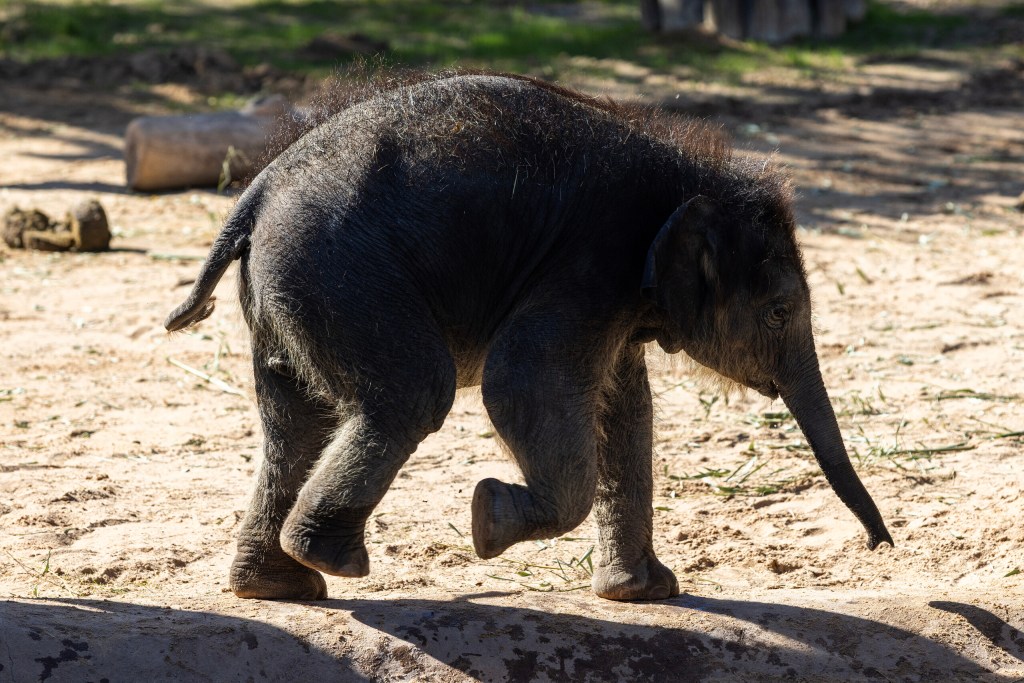
Following her introduction to the herd, Lady Bird shows healthy signs of a growing girl. She regularly moves her trunk, plays in the watering hole and runs around her family, whose females keep her close.
Nicole Lopez is the environment reporter for the Fort Worth Report. Contact her at nicole.lopez@fortworthreport.org.
At the Fort Worth Report, news decisions are made independently of our board members and financial supporters. Read more about our editorial independence policy here.
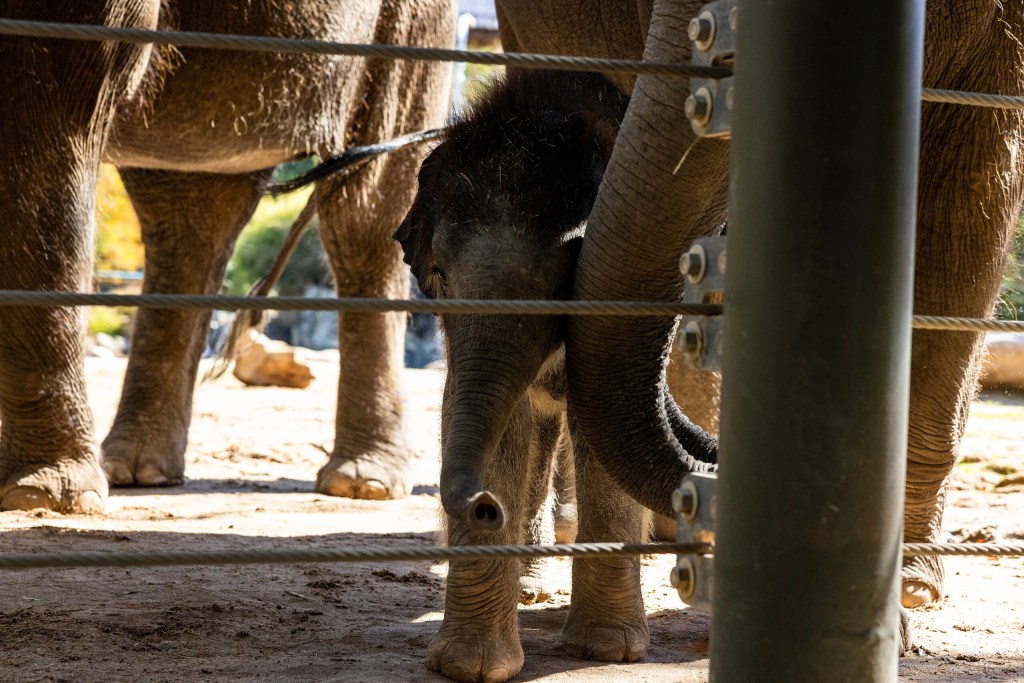 Lady Bird “Birdie” is the newest Asian elephant calf at the Fort Worth Zoo and she spends her day with her mother, aunt and grandmother on Nov. 12, 2025. Her mother, Bluebonnet, was the first elephant calf born in the history of the zoo in 1998. (Maria Crane | Fort Worth Report/CatchLight Local/Report for America)
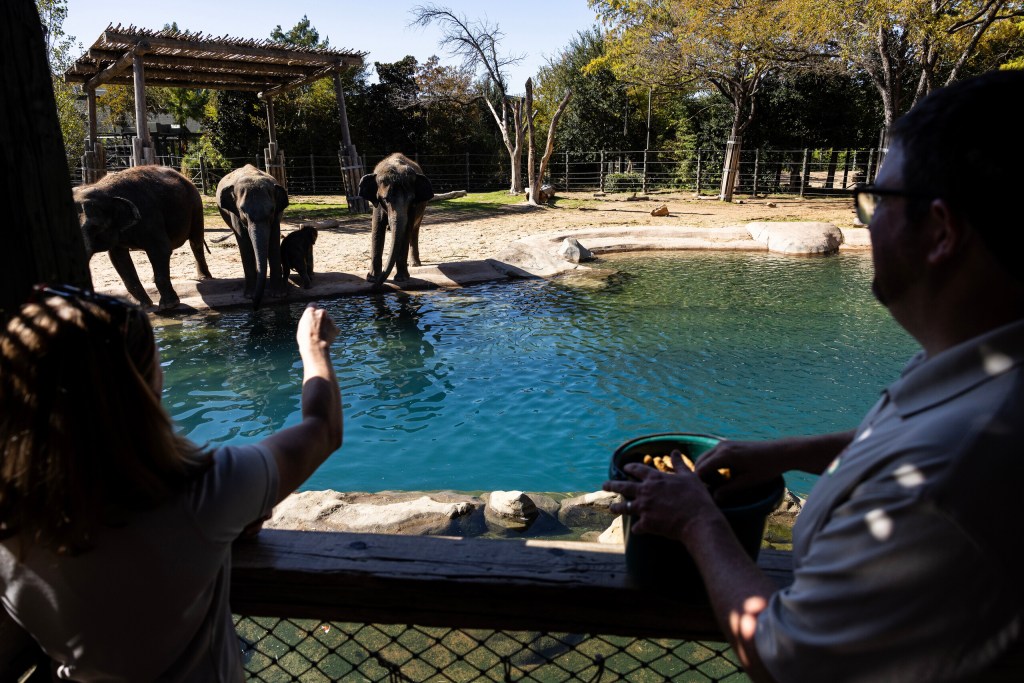 Lead elephant trainer Christine Del Turco and elephant keeper Tripp Gorman feed citrus treats to the female elephants in the Fort Worth Zoo on Nov. 12, 2025. Del Turco and Gorman spend time checking up on the elephants, making sure they are moving around and keeping them healthy. (Maria Crane | Fort Worth Report/CatchLight Local/Report for America)Lady Bird “Birdie” is the newest Asian elephant calf at the Fort Worth Zoo and rolls on the ground on Nov. 12, 2025. Her mother, Bluebonnet, was the first elephant calf born in the history of the zoo in 1998. (Maria Crane | Fort Worth Report/CatchLight Local/Report for America)
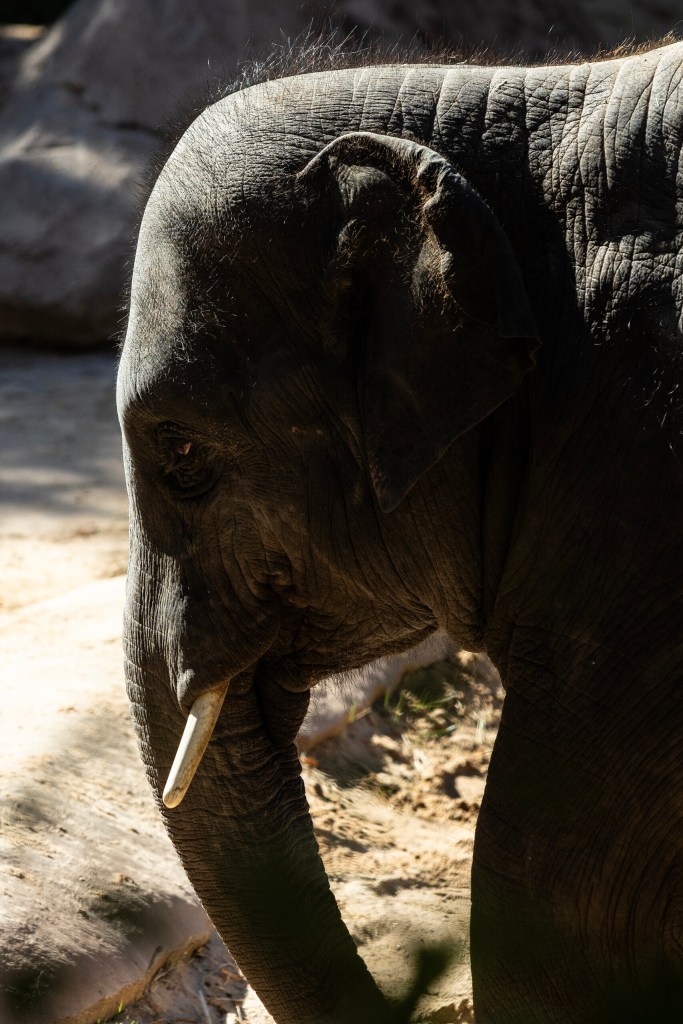 Brazos, an Asian elephant, plays in the sun with his brother, Travis, in the Elephant Springs habitat at the Fort Worth Zoo on Nov. 11, 2025. The boys are shifted around enclosures each day to allow interaction with the other elephants in the zoo. (Maria Crane | Fort Worth Report/CatchLight Local/Report for America)
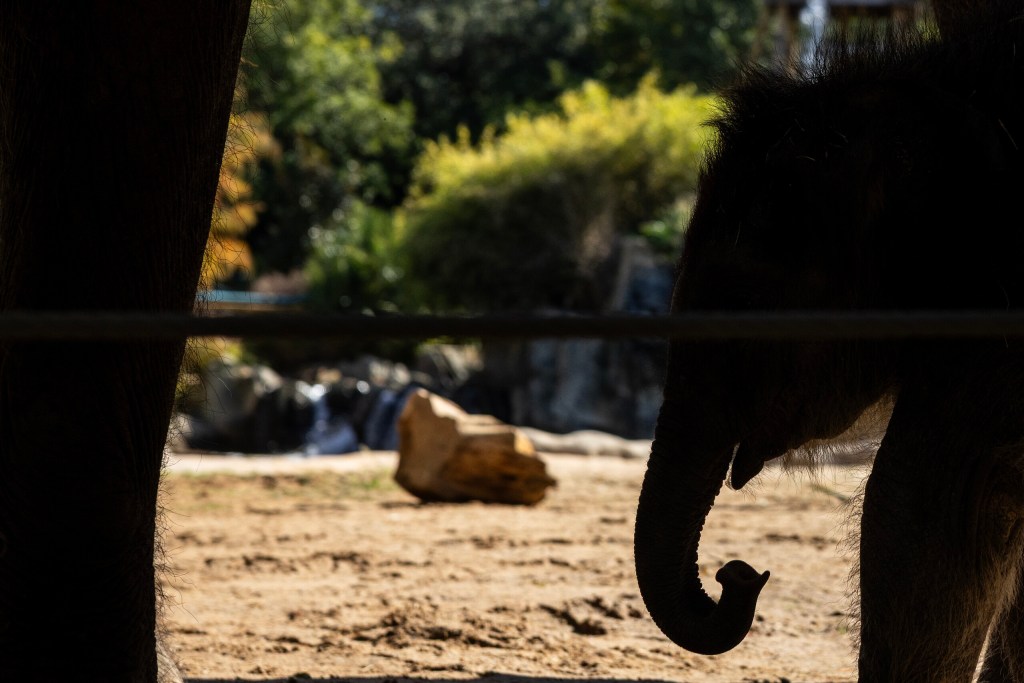 Lady Bird “Birdie” is the newest Asian elephant calf at the Fort Worth Zoo and she spends her day with her mother, aunt and grandmother on Nov. 12, 2025. Her mother, Bluebonnet, was the first elephant calf born in the history of the zoo in 1998. (Maria Crane | Fort Worth Report/CatchLight Local/Report for America)
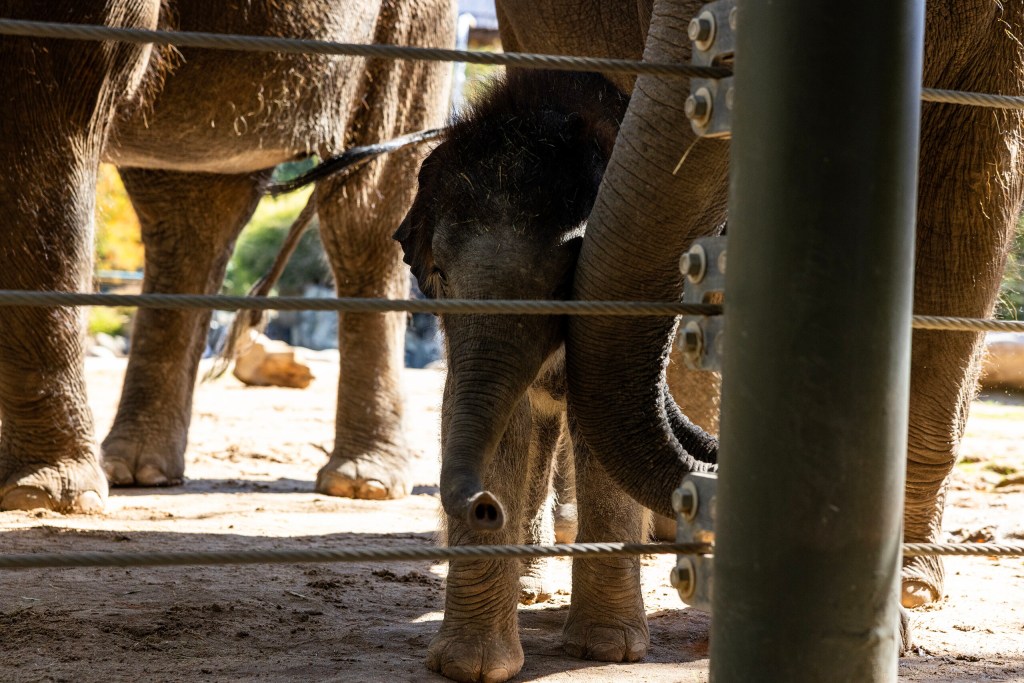 Lady Bird “Birdie” is the newest Asian elephant calf at the Fort Worth Zoo and she spends her day with her mother, aunt and grandmother on Nov. 12, 2025. Her mother, Bluebonnet, was the first elephant calf born in the history of the zoo in 1998. (Maria Crane | Fort Worth Report/CatchLight Local/Report for America)
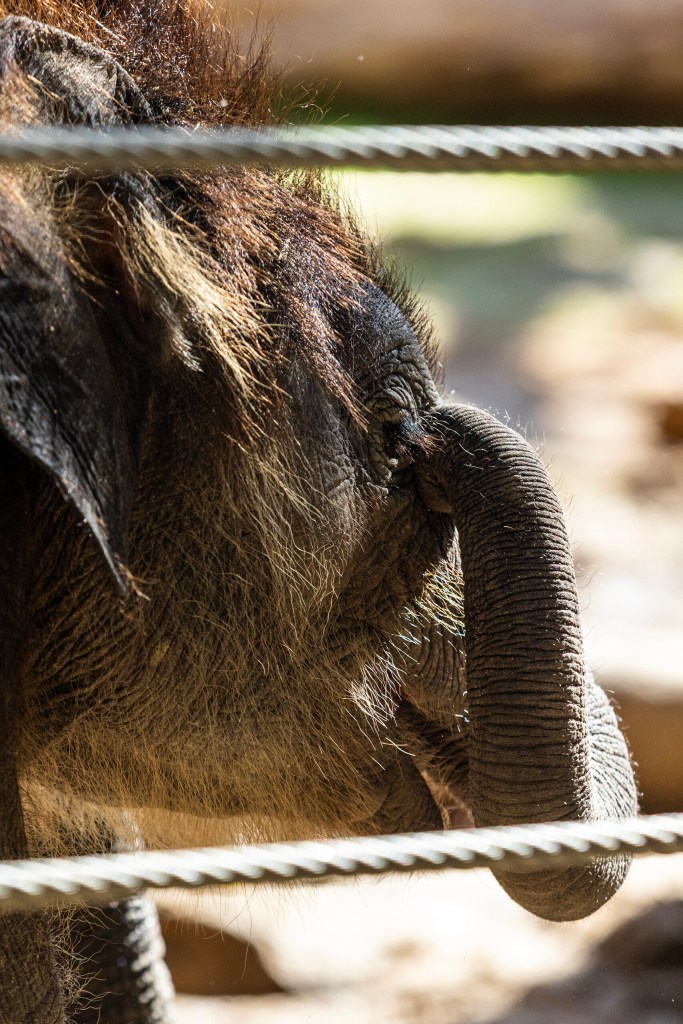 Lady Bird “Birdie” is the newest Asian elephant calf at the Fort Worth Zoo and chews on her trunk on Nov. 12, 2025. Her mother, Bluebonnet, was the first elephant calf born in the history of the zoo in 1998. (Maria Crane | Fort Worth Report/CatchLight Local/Report for America)
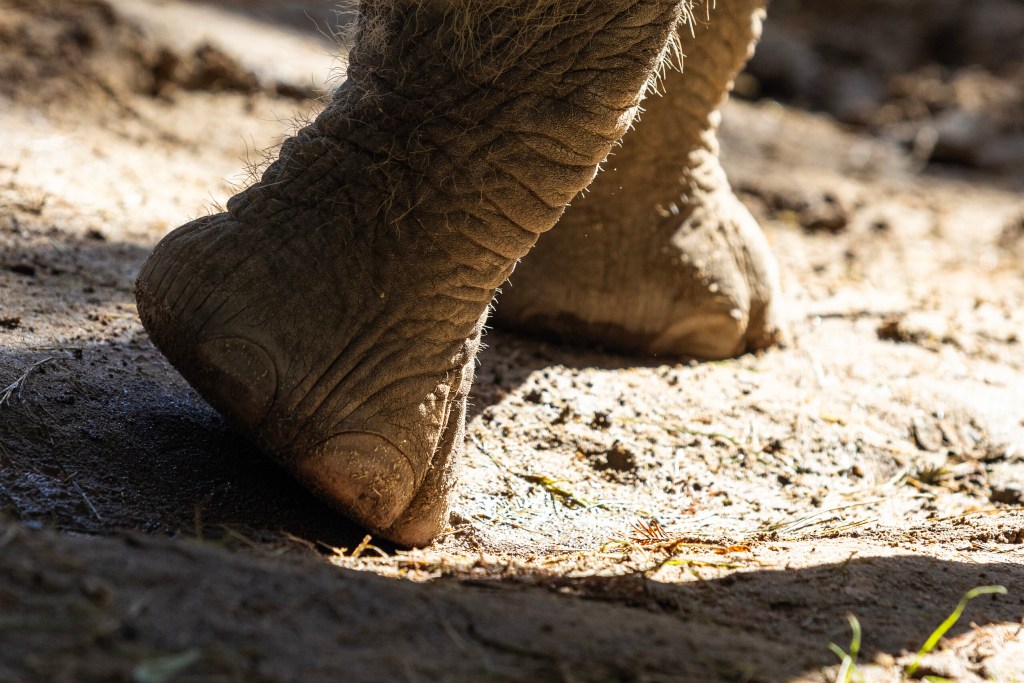 Lady Bird “Birdie” weighs just around 400 pounds on Nov. 12, 2025. Her mother, Bluebonnet, was the first elephant calf born in the history of the zoo in 1998. (Maria Crane | Fort Worth Report/CatchLight Local/Report for America)
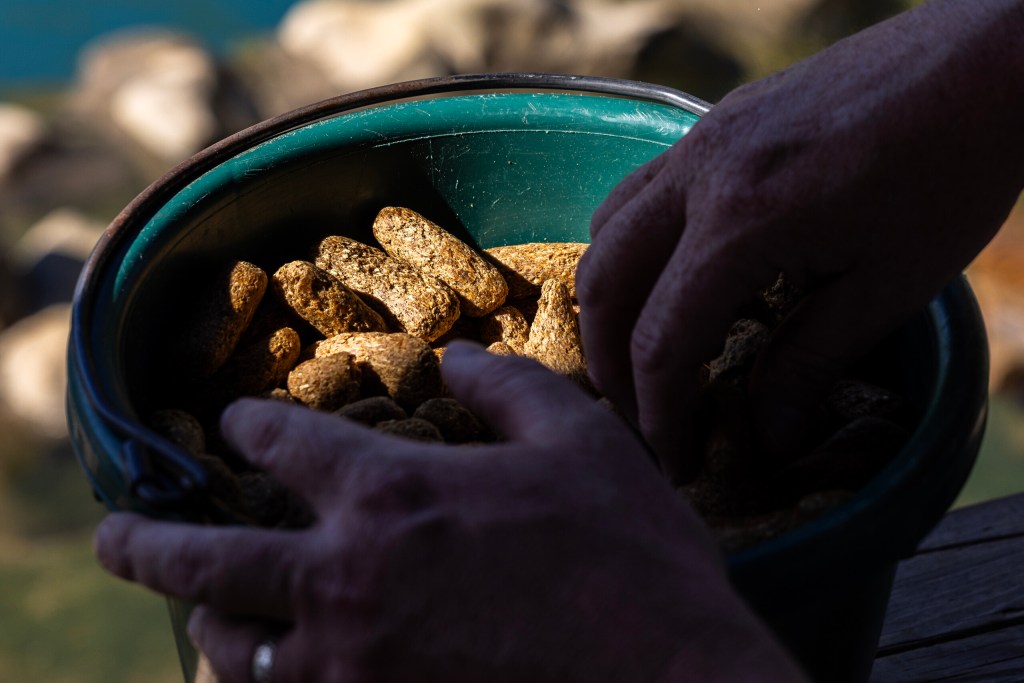 Lead elephant trainer Christine Del Turco and elephant keeper Tripp Gorman feed citrus treats to the female elephants in the Fort Worth Zoo on Nov. 12, 2025. Del Turco and Gorman spend time checking up on the elephants, making sure they are moving around and keeping them healthy. (Maria Crane | Fort Worth Report/CatchLight Local/Report for America)
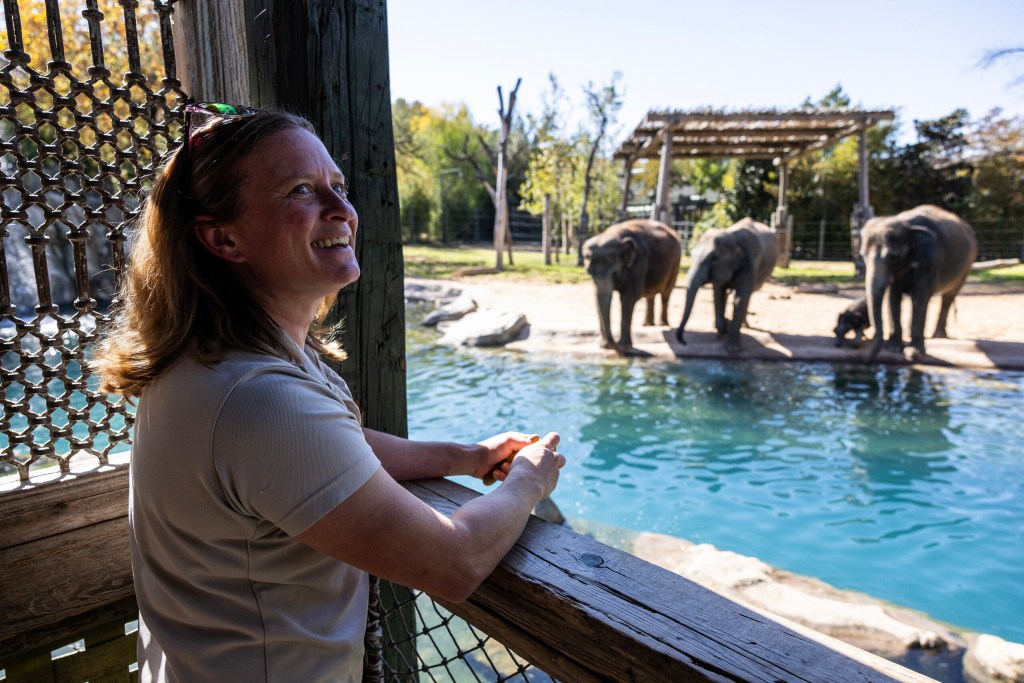 Lead elephant trainer Christine Del Turco feeds citrus treats to the female elephants in the Fort Worth Zoo on Nov. 12, 2025. Del Turco talks to attendees at the zoo about the newest elephant, Lady Bird. (Maria Crane | Fort Worth Report/CatchLight Local/Report for America)
Related
Fort Worth Report is certified by the Journalism Trust Initiative for adhering to standards for ethical journalism.
Republish This Story

Republishing is free for noncommercial entities. Commercial entities are prohibited without a licensing agreement. Contact us for details.