
Federal inmates sometimes have disabilities or mental illnesses that do not disappear when they are incarcerated — they may even worsen.
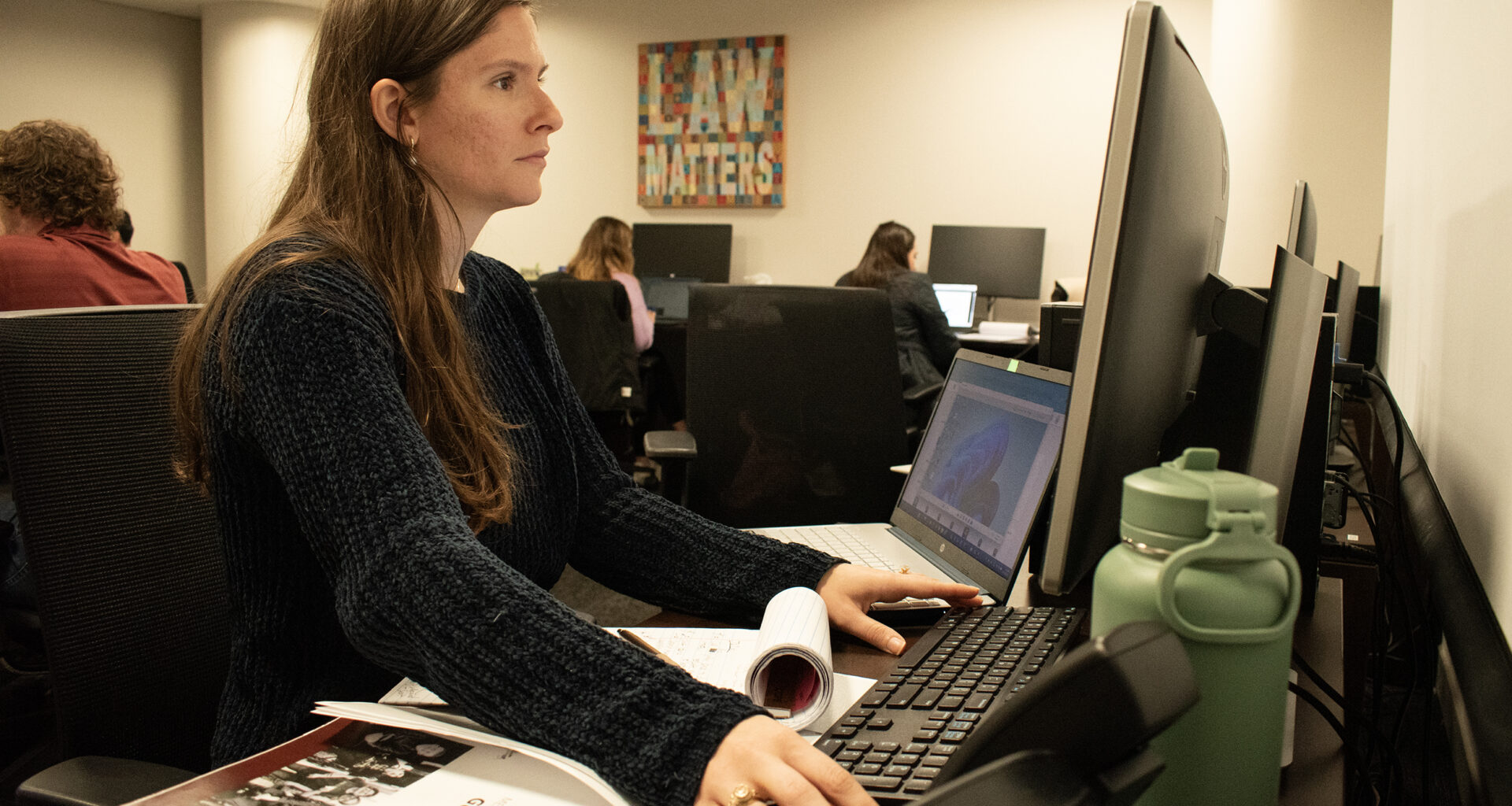
That is why Texas A&M School of Law students provide free legal help obtaining benefits to women at a minimum-security prison as part of the university’s Medical Legal Partnership clinic.
The program has provided assistance to inmates at Federal Prison Camp Bryan near College Station over the last two years. Students, in turn, learn how to navigate the complexities of medical-related law.
“We learn how to read very difficult and dense cases and decipher that through the legal lens,” said Sam Sanchez, who directs the clinic. “But when you’re in a clinical practicum, you really learn how to deal with clients, and you get to put a face on those cases.”
A need for such work and the program’s success led the law school to make the students’ efforts a stand-alone clinic next spring.
The Fort Worth law school operates 14 clinics to give students practical experience in an area of law under the supervision of licensed attorneys. The clinics allow students to approach issues not just as a scholar but from the perspective of an attorney while they are still in school, Sanchez said.
The students work with the incarcerated women to apply for benefits such as disability checks and Medicare so they are in the best circumstances possible when they are released.
“They’re given pretty high-level care when they’re in custody,” Sanchez said. “That’s psychiatric care, psychological care, including medications that are necessary to maintain their stability. When you go to exit that program without those, it can be devastating.”
The clinic typically begins working with a client nine months to a year before an inmate’s release date. The goal is to submit her application before she gets out of prison, but the students will continue the work on the case after someone’s release if necessary, Sanchez said.
The students learn how to work with medical professionals. They collaborate with Vashisht College of Medicine students under the umbrella of A&M’s Fort Worth-based Institute for Healthcare Access founded in 2023. The medical students learn how to review health records, write letters of support for the patient’s qualification for benefits and work with lawyers.
“On the doctor’s side, they’re really learning how lawyers need doctors to write reports so that they most accurately reflect the legal needs as well as the medical needs of a patient,” Sanchez said.
Students in the clinic meet once a week to hear a lecture and discuss where they are in their cases. Most of the work is virtual with occasional travel to Bryan to give legal seminars to the women at the prison.
Eighteen students are working in the clinic this semester, including third-year law student Celeste Green. She said it is rewarding to interact with clients to help those in need.
“I’ve worked with a firm, I’ve worked in chambers, and I’ve done the clinic,” she said. “It’s just so vastly different because you are getting to be that servant role as an attorney for your community, so I really like that too.”
Sanchez said the experience with clients helps students understand the gravity of the work.
“It changes you as a lawyer fundamentally when you understand the impact of your legal skills and how it changes somebody’s life forever — forever,” he said.
McKinnon Rice is the higher education reporter for the Fort Worth Report. Contact her at mckinnon.rice@fortworthreport.org.
The Fort Worth Report partners with Open Campus on higher education coverage.
At the Fort Worth Report, news decisions are made independently of our board members and financial supporters. Read more about our editorial independence policy here.
Related
Fort Worth Report is certified by the Journalism Trust Initiative for adhering to standards for ethical journalism.
Republish This Story

Republishing is free for noncommercial entities. Commercial entities are prohibited without a licensing agreement. Contact us for details.