
As North Texas’ population continues to surge, the secret to the region’s economic prowess lies in its cities’ shared commitment to success, six local mayors said.
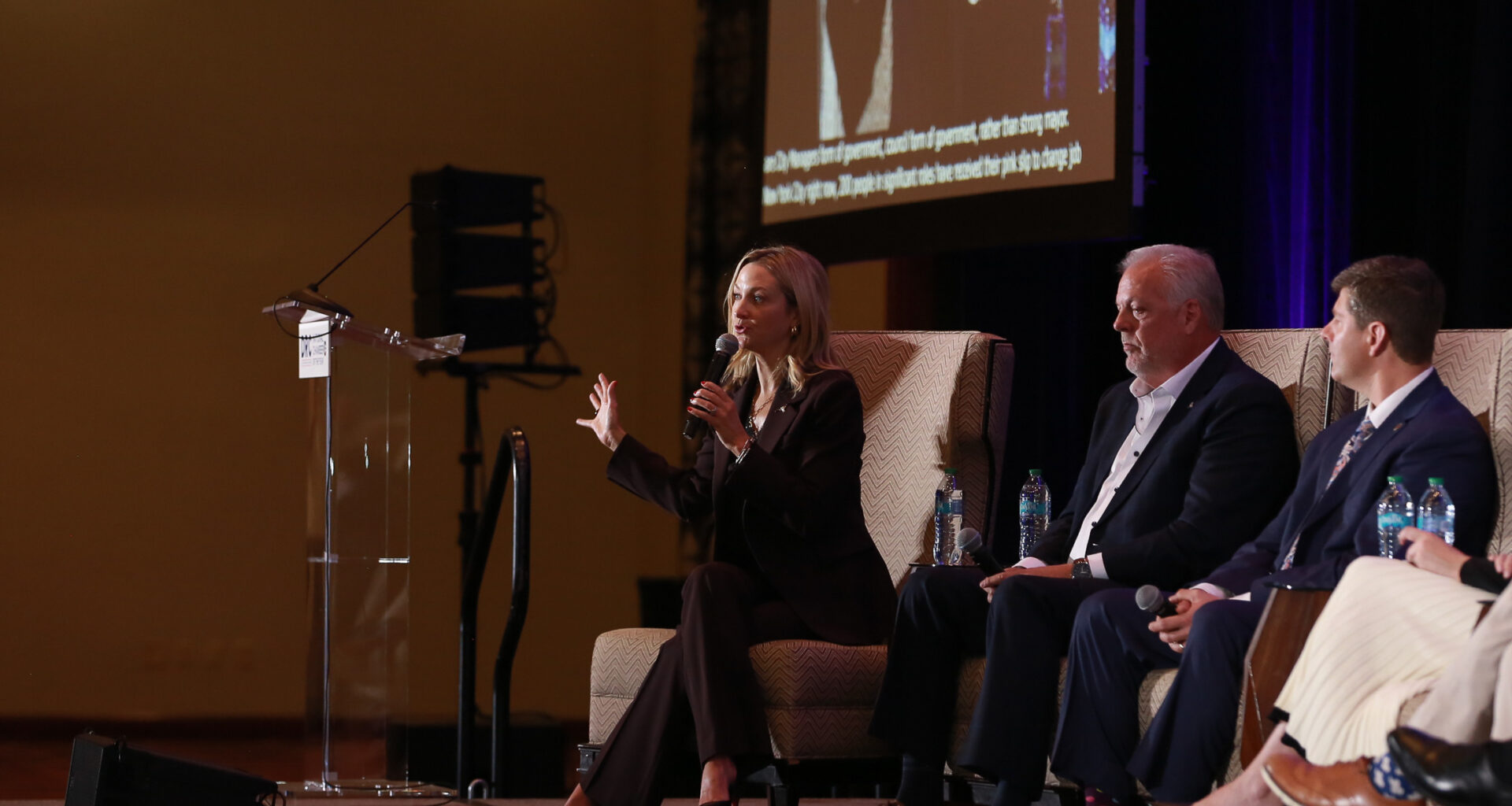
The area’s economy, and how to facilitate its ongoing success, was the focus of discussion as the mayors of Fort Worth, Arlington, Frisco, McKinney, Garland and Richardson gathered Wednesday morning for the Dallas Regional Chamber’s annual State of the Region.
“Our problems up here as mayors are all very similar: dealing with infrastructure challenges and homelessness and making sure you have police officers on the street and firefighters,” Fort Worth Mayor Mattie Parker said during the panel. “But importantly, what drives our success is our focus on the economic engine and powerhouse of each of our cities.”
That engine is a powerful one, said Dale Petroskey, president and CEO of the Dallas Regional Chamber.
The DFW region that spans 11 counties has seen more than 800 “significant corporate relocations and expansions” and more than 300 companies’ headquarters move to the area since 2014, Petroskey said.
Those numbers are a testimony to the “group effort” city leaders use to attract others to the area, Arlington Mayor Jim Ross said.
“How many of you in your respective cities have been speaking with prospective businesses moving in who have made the decision that they’re coming to North Texas? They just haven’t decided what part of North Texas they’re coming to yet,” Ross said. “That gives us the edge on so many communities around the country.”
The collaboration still leaves room for competition as cities vie for economic opportunities, the panel’s mayors conceded.
“Frisco is a great regional partner because we’re the worldwide headquarters of the Dallas Cowboys, and I lend them to Jim for eight days a year,” Frisco Mayor Jeff Cheney joked, referencing how the football team trains in his city but plays in Arlington.
The region has an “unspoken secret,” Parker said. Most Texas cities’ use a city manager-led form of government in which the manager acts as the CEO of the city, while the mayor acts as chair of the board of directors, she said.
Cities with a strong mayoral government often deal with city management and staff turnover, which weakens institutional knowledge and expertise as new administrations often hire their own staff to replace previous administrations’, she explained.
“Imagine in each of your respective companies if every time you had a manager or a CEO change, everybody else went with it,” Parker told the audience. “It’s not how you run a city well.”
Cities also don’t run well when they lose local control, the mayors agreed. The group had sparse praise for the Texas lawmakers’ work this year as they lamented various bills that sought to relinquish aspects of government control from the local level to the state.
Parker said legislators attempted to paint all Texas cities with “one broad brush” without acknowledging each city’s unique identity and needs. She was blunt with what she considered a success out of the legislative sessions this year.
“A lot of bills died, which was a really big win,” Parker said.
For Ross, DFW’s continued economic success relies on each city’s ability to manage and govern itself. He said state legislators are too embroiled in partisan politics, and local officials must keep their sights set on public service to their communities.
“I am convinced, as I’m sitting here today, that our federal and state legislatures are more loyal to their parties than the public they serve: you,” Ross said. “And that pisses me off.”
Cecilia Lenzen is a government accountability reporter for the Fort Worth Report. Contact her at cecilia.lenzen@fortworthreport.org.
At the Fort Worth Report, news decisions are made independently of our board members and financial supporters. Read more about our editorial independence policy here.
Related
Fort Worth Report is certified by the Journalism Trust Initiative for adhering to standards for ethical journalism.
Republish This Story

Republishing is free for noncommercial entities. Commercial entities are prohibited without a licensing agreement. Contact us for details.