
By Greg Ritchie
Messenger Reporter
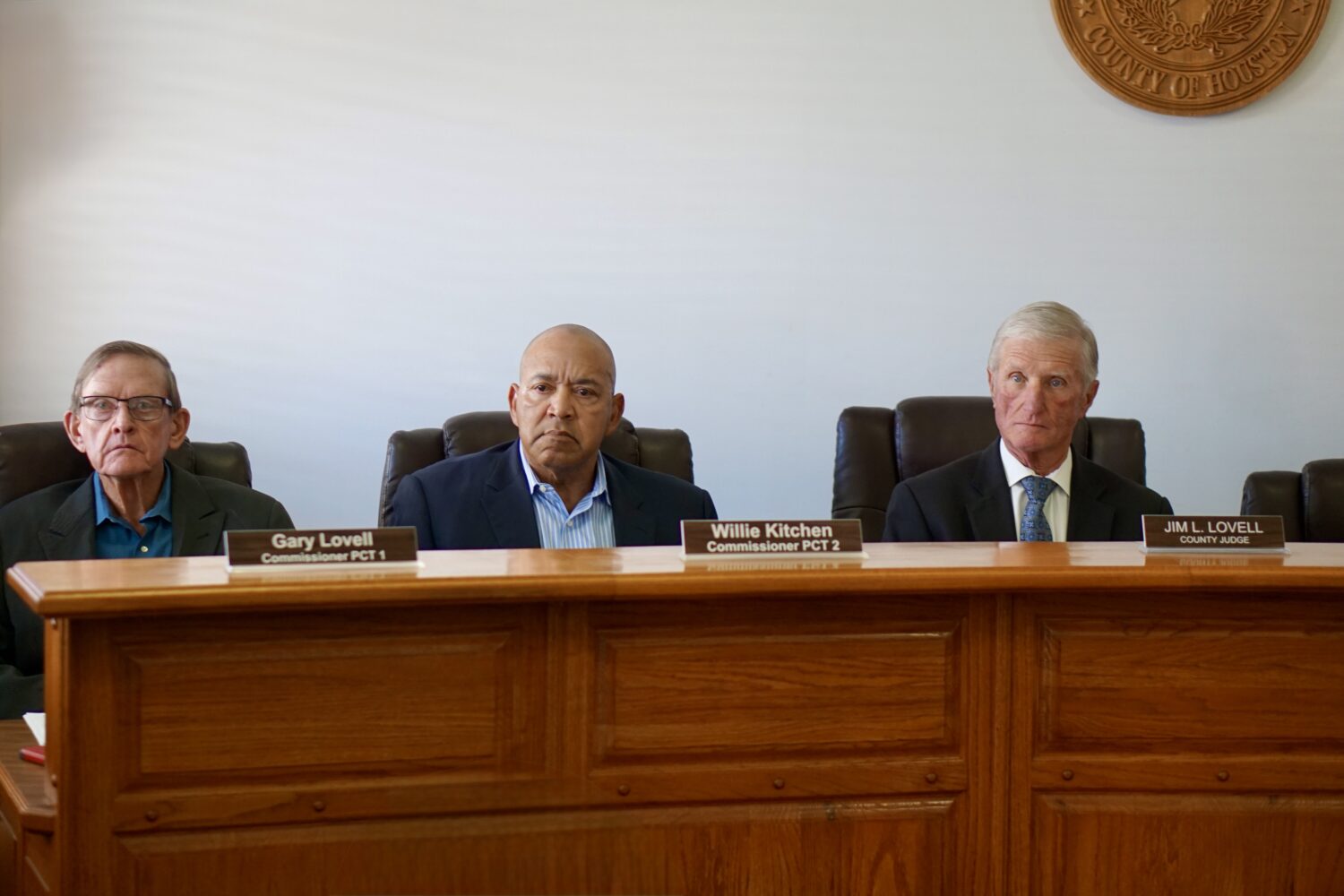
HOUSTON COUNTY – With pressure mounting from a multi-county legal battle over large-scale groundwater pumping, Houston County commissioners will take up a resolution Wednesday that could set in motion the creation of the county’s first groundwater conservation district — a step local leaders say is now necessary to protect the region’s aquifer.
The special meeting, scheduled for 9 a.m. Nov. 26 at the courthouse in Crockett, includes an item to “consider approving Resolution to support petition to the Texas Commission on Environmental Quality for creation of a groundwater conservation district for Houston County,” according to the posted agenda.
The proposed resolution declares that Houston County’s groundwater is “one of its most valuable resources” and that forming a district would allow residents to “preserve, conserve, protect and prevent waste” while giving the county a greater degree of local control.
That conversation comes as a sprawling and high-stakes fight continues just across the county line, where Dallas investor Kyle Bass and his affiliated companies have sought permits for roughly 40 high-capacity wells that could pump as much as 16 billion gallons of water per year from the Carrizo-Wilcox Aquifer. Opponents — including Consolidated Water, Wayne Sanderson Farms, and residents across Anderson and Houston counties — argue that level of pumping could devastate local water systems, deplete domestic wells and permanently damage the aquifer.
“A Threat We Didn’t Fully Understand 15 Years Ago”
For Dr. John McCall, president of Houston County’s five-member groundwater steering committee, the moment represents a dramatic shift from his own stance a decade and a half ago.
“Fifteen years ago, my father and I were the head of the group to stop a groundwater district in Houston County,” McCall said in an interview this week. “But had we formed that district back then, it wouldn’t have been strong enough to stop a Kyle Bass. You don’t know what you don’t know — and we didn’t know that back then.”
McCall, a former Crockett mayor who owns property bordering one of the proposed drilling sites, said Bass’s project changed everything.
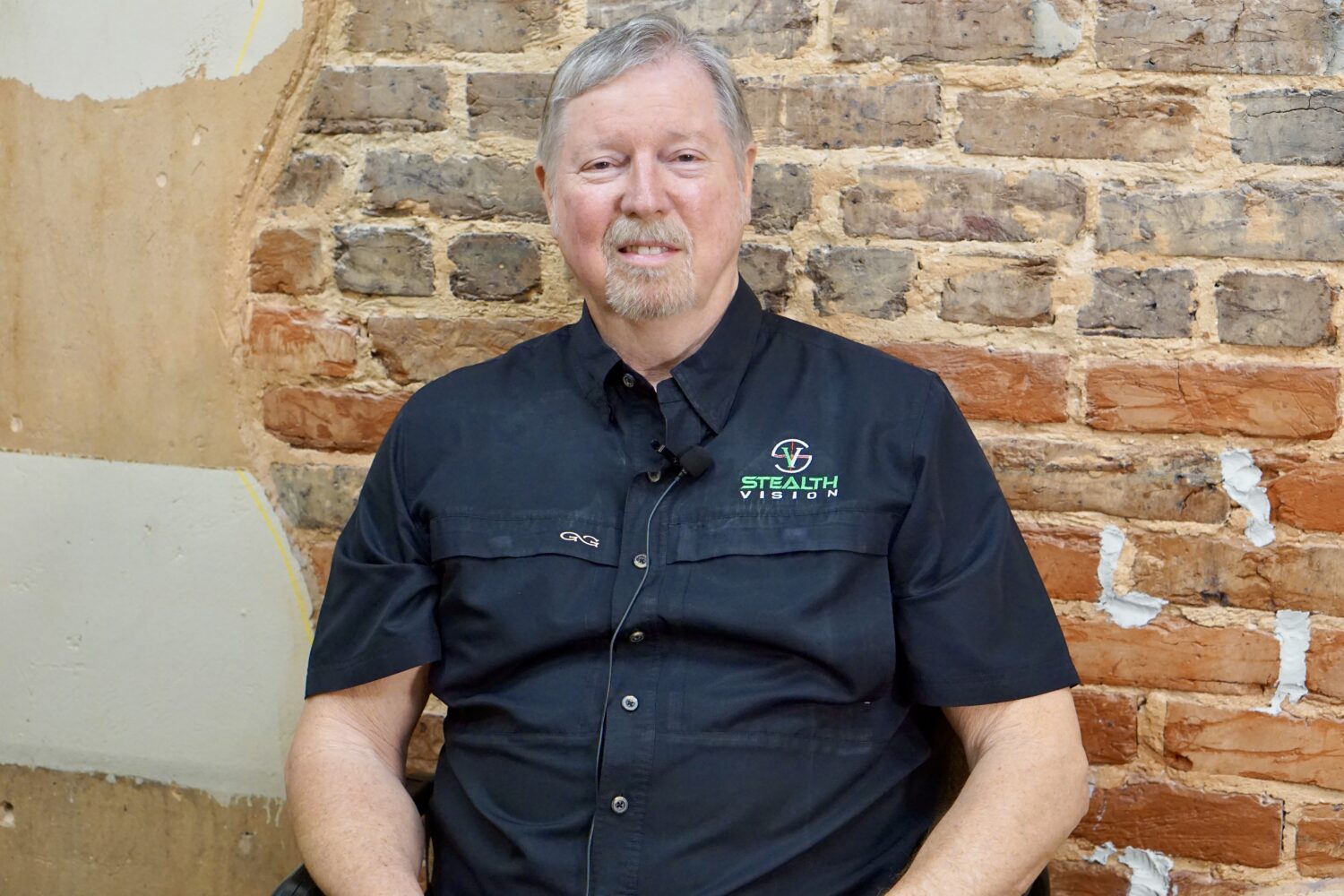
“I share a fence line with Redtown Ranch,” McCall said. “If they’re pulling a billion gallons a year out of the ground next door, that creates a zone of depression. I have six wells on my place. It would drop the aquifer so far that my wells would be non-existent — and that same effect could reach across a huge area.”
The committee — composed of McCall, Consolidated Water General Manager Amber Stelly, attorney Randy Pardon, geologist Barrett Riess, and community member Jim Gaines — was appointed by commissioners earlier this year to evaluate whether the county should seek its own district. Their recommendation: yes.
County Without a District Leaves Itself Vulnerable
Houston County is one of the few counties sitting over the Carrizo-Wilcox with no groundwater district of its own — a situation Riess previously described as “like having a giant holding tank beneath us with no way to manage what happens underground.”
Though the Neches & Trinity Groundwater Conservation District (NTVGCD) enacted a temporary pause on new permits earlier this year, that halt is under constant legal attack. Bass has already sought to overturn decisions that slowed his project, according to filings recently reported in The Messenger.
Just days ago, a judge upheld NTVGCD’s decision to revoke previously granted permits pending further hydro-geologic study — a ruling McCall described as another round in what has become a “chess game.”
“This could change tomorrow,” McCall warned. “But I will say this — Bass underestimated East Texas. When we all come together and say enough is enough, it’s powerful.”
Addressing the Biggest Fear: Will Wells Be Metered?
McCall said the most persistent concern he hears — the same fear that helped defeat the district 15 years ago — is that a local district would “put meters on everyone’s wells” and start charging for water.
“That will not happen,” McCall stressed. “You’ve been using free water up to now; you’re going to keep using free water. Domestic and livestock wells would not be regulated. We’re talking about high-volume wells — 300 horsepower pumps and up. The average family or rancher isn’t going to feel this.”
That position aligns with public statements by Riess and Stelly, who have repeatedly said that a district’s focus would be regulating major industrial or export-focused wells, not household or farm use.
Why Houston County Won’t Join Anderson County’s District
The steering committee also rejected the idea of joining the NTVGCD. McCall said the reason is simple: voting power.
“If we joined them, and then Smith County joined them, suddenly we’d be two votes out of ten,” McCall explained. “They could add meters or raise production fees, and we couldn’t stop it. Nobody is going to protect Houston County like Houston County can.”
A Hybrid Funding Model: Low Taxes, High Production Fees for Big Users
If the county forms a district, it must demonstrate it can fund basic operations — legal costs, administrative work, compliance monitoring, and a general manager.
McCall said the steering committee recommends a hybrid model: a minimal property tax combined with production fees high enough to apply only to major users such as water companies, prisons, or potential large data-center operations.
“At the lowest tax rate allowed, a $1 million property would pay less than $200 a year,” McCall said. “Most people would pay less than $100. It’s not much, but it’s enough to get started and avoid putting the burden on everyday well owners.”
Rising Urgency, Growing Public Interest
The debate has gained significant public attention, especially after revelations that former NTVGCD board member Don Foster had undisclosed ties to the drilling company later selected for Bass’s project — a story first reported by The Messenger. McCall said that reporting “gave us our nose above water” in a fight that previously felt un-winnable.
Dozens of residents have also attended public meetings, including packed sessions in Anderson County and Jacksonville, where Bass faced hours of criticism from landowners and water officials.
“People understand now that what’s under us is at risk,” McCall said.
What Happens Wednesday
If commissioners approve the resolution Wednesday, the county would formally support a petition to the Texas Commission on Environmental Quality (TCEQ) to create the district.
That step would be followed by public hearings, creation of a temporary board, and ultimately an election in which Houston County voters decide whether to approve the district and its funding.
The meeting begins at 9 a.m. Nov. 26 at the Houston County Courthouse. Members of the public may attend in person or via Zoom.
To see the full video interview with Dr. McCall, please tune in Sunday to our Houston County News podcast, available on our Facebook page or on our website www.messenger-news.com.
Greg Ritchie can be reached at [email protected]