
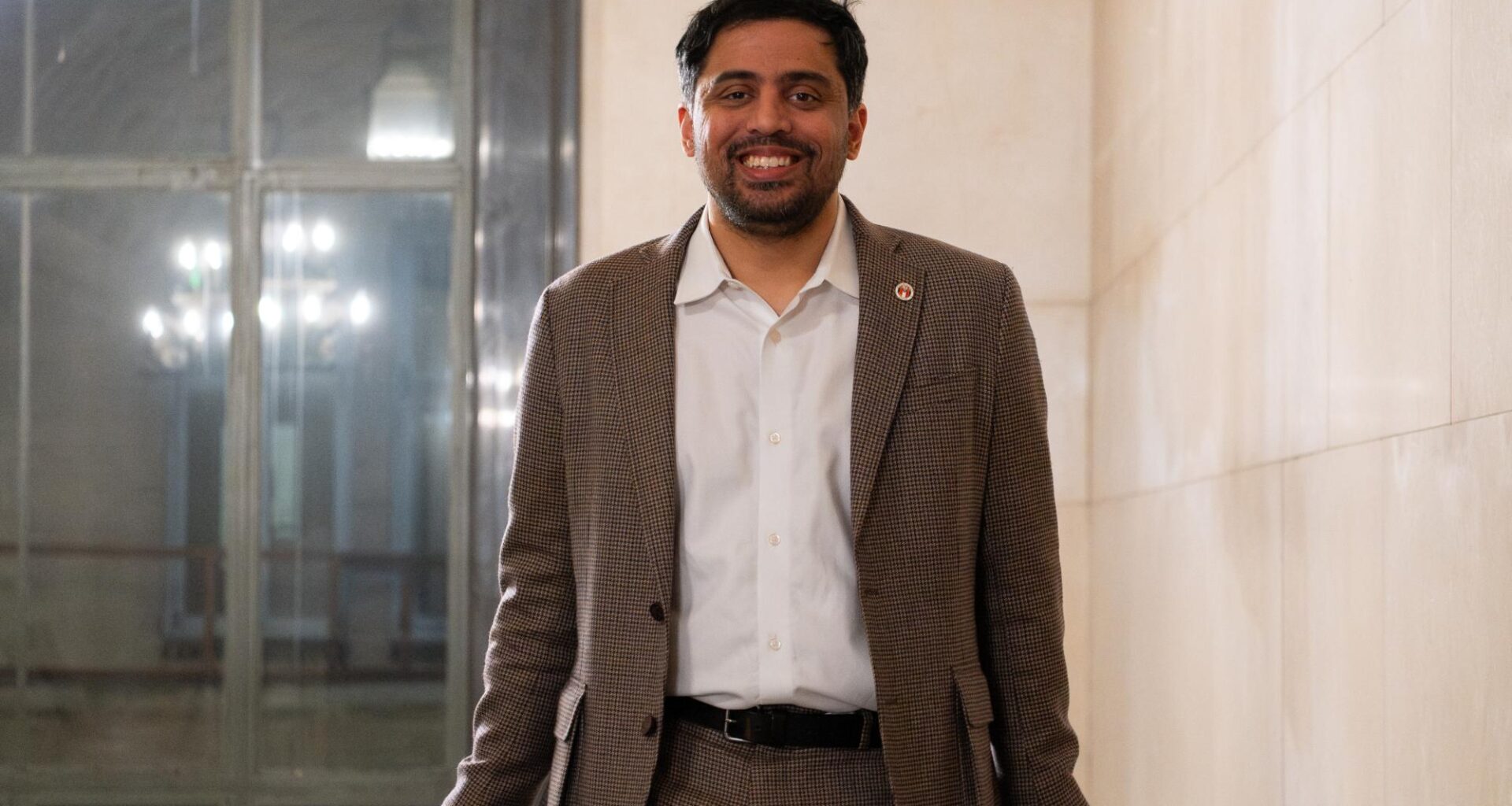
Zohaib “Zo” Qadri, who represents UT and West Campus in the Austin City Council, announced his re-election campaign on Monday, prioritizing affordability, civic engagement and transportation in his campaign.
Qadri, a UT alumnus who began representing District 9 in 2023, chairs the Economic Opportunity Committee. He also serves as the vice chair of the Mobility Committee and is on the CapMetro board.
The District 9 race, which will take place next November, includes Qadri; Ard Ardalan, a UT School of Law graduate and attorney; and Rich Heyman, a former UT professor who was arrested after a pro-Palestinian demonstration in April 2024 and fired shortly after.
During his tenure, Qadri passed an item to prohibit windowless bedrooms in West Campus apartments. He said he prioritizes housing affordability and that decades of inaction prevent the city from meeting its housing needs, contributing to the current housing crisis.
“A lot of times, our professors or students, first responders, city workers can’t afford to live in Austin. … We need to continue to combat these ills that have caused folks to leave,” Qadri said.
Qadri also wants to expand tenant protections and work with student organizations like the UT Tenants Union to address maintenance issues, such as plumbing problems, flooding and broken elevators in West Campus apartments.
“We shouldn’t have our youth, our student population, living in anything but normal living conditions,” he said.
Qadri said he hopes to continue communicating with the University and other West Campus stakeholders to advance the University Neighborhood Overlay. UNO is a high-density redevelopment plan for West Campus and Qadri said he wants to update the plan to increase ground-floor retail in West Campus and implement safety measures, such as better sidewalks and lighting.
The City Council has postponed public comment on UNO updates several times since June, citing the University’s desire for further “dialogue.”
Qadri also said he would like to see voting become more accessible and increase student civic engagement. He said he encouraged students to vote and helped them register before becoming an elected official and plans to continue.
Jenifer Sarver, a lecturer in the communication studies department, said student engagement in local politics is important and candidates can benefit from hearing their perspectives.
“Campaigns need students’ energy and ideas, and the decisions made in local government — from housing and transportation to campus safety — often affect their daily lives more than national politics,” Sarver said.
Qadri said he will continue to advocate for Project Connect, which will expand Austin’s light rail system and eventually run through Guadalupe Street to make it more pedestrian-friendly.
“I’m going to continue to push for better, more diverse mobility options, making sure students are part of those conversations,” he said.