
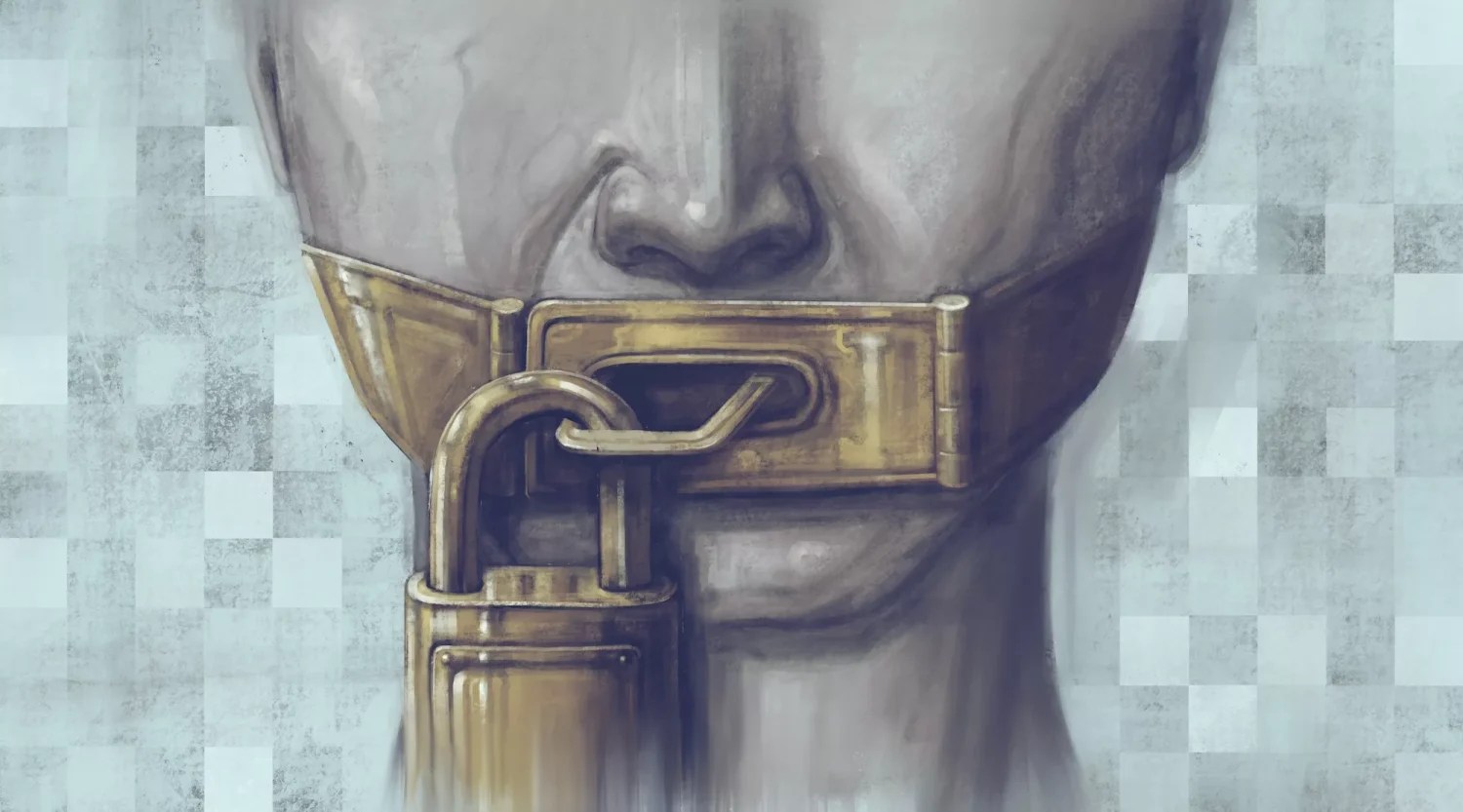
The Texas Legislature favors free speech, as long as it’s not too loud, happens during certain hours and is said by the right people.
Jorm Sangsorn/Adobe Stock
The following article is an op-ed submitted by Marie McMullan from the Foundation for Individual Rights and Expression (FIRE), a leading defender of fundamental rights on college campuses through student and faculty outreach, public education campaigns, individual case advocacy and policy reform efforts.
The University of Texas at Dallas has hit a new low in its attack on student journalism, seeking sanctions against a student editor — for editing.
Former editor-in-chief of The Mercury, Gregorio Olivares Gutierrez, has endured UT Dallas’s ire before. The university fired Gutierrez as editor in 2024, prompting Mercury student journalists to strike. UT Dallas promptly fired all of them, too, but they wouldn’t stay silent. Instead, they founded The Retrograde, a fully independent newspaper, and it wasn’t long before UT Dallas sought to censor them again by banning their newspaper racks from campus. That ban may be lifted, but UT Dallas’s efforts to silence Gutierrez and other student journalists haven’t ceased.
This year, make your gift count –
Invest in local news that matters.
Our work is funded by readers like you who make voluntary gifts because they value our work and want to see it continue. Make a contribution today to help us reach our $30,000 goal!
Instead, the university has taken a ridiculous turn: investigating and proposing punishments against Gutierrez for simply editing a letter to the editor. Yes, you read that right, and if it weren’t so chilling, it would be farcical.
In the summer of 2024, when these issues first surfaced, the editorial team received a letter to the editor about antisemitism on campus. Gutierrez noticed some of the details in the letter didn’t line up with other reputable sources, and the author didn’t provide citations for key factual claims. Gutierrez and other editorial team members asked the author to address these concerns. When that didn’t happen, the team decided to add a factual disclaimer.
Gutierrez explained which principles from the Society of Professional Journalists’ Code of Ethics guided the editorial board’s decision to include that disclaimer: provide context, label advocacy and commentary, never distort facts, and seek truth and report it.
“These were all things that we were thinking about through this whole process and that directly impacted our editorial process here,” Gutierrez said.
But the author took issue with being asked for additional sources, as well as the disclaimer, and filed a complaint with the university. After a yearlong investigation, UT Dallas characterized Gutierrez’s editing as “discriminatory harassment.” Now he faces a two-year deferred suspension pending the outcome of a hearing.
UT Dallas has previously shown little respect for student journalists’ editorial independence, but investigating and proposing sanctions against Gutierrez marks a dark turn for the free press on campus. But what does and doesn’t get published in a student newspaper is a decision that rests in the hands of, well, students on staff. The Mercury didn’t have to publish the piece at all. Gutierrez’s only “crime” was exercising the editorial rights vested in him by the First Amendment and the paper’s own policies.
“To my understanding,” he said, “doing journalism isn’t against university policy. If they want to present it as such, I’m going to fight against that.”
That’s what Gutierrez is doing, and FIRE’s Student Press Freedom Initiative has his back. FIRE wrote to UT Dallas on November 19. Hopefully, this time, our calls for a free press on campus won’t go unheeded. After all, how can UT Dallas say it “has always supported student journalists’ editorial control” when it just sanctioned a student journalist for exercising editorial control? These measures create a chilling effect in campus newsrooms. UT Dallas’s message is clear: exercise your rights as a student journalist and risk discipline.
“If we can no longer fact-check,” Gutierrez said, “if we can no longer tell people that this does not align with other reputable sources, what is our job as a newspaper?”
If UT Dallas truly values a free student press. They must reverse these sanctions now and show they stand by their own principles.