
LUBBOCK, Texas (KCBD) -Lubbock health officials are advising residents to exercise caution when encountering sick or dead birds as migratory species move through the area.
Dr. Katherine Wells, Director of Public Health, recommends specific safety protocols for anyone who discovers deceased birds.
“We do want to take extra precautions if somebody finds a dead bird, we are highly recommending that if they live in the city, call animal control,” Wells said. “They’ll come pick up that bird for them but if you have to dispose of the bird yourself we recommend wearing gloves so you’re not going to touch that bird and a precaution of wearing a surgical mask.”
Health officials emphasize they’re not trying to create alarm, but rather educate residents about viruses that can circulate when migratory birds pass through the region.
The health department has monitored avian flu for two years through multiple methods, including wastewater testing, dairy cattle monitoring, and tracking reports throughout the county.
Wells explains the virus transmission patterns to help residents understand what to watch for.
“Kind of think of it as human flu but it’s a flu virus that is carried in the bird population,” she said. “We have seen transmission from the bird population into cattle and we have also have had 70 cases of bird flu in humans. Thankfully, we have not seen any transmissions from human to human.”
To prevent human-to-human transmission, Wells says the primary concern involves keeping people, pets, and livestock away from birds displaying unusual behavior.
Warning signs in birds include lack of energy or swollen eyes. Humans who contract the virus may experience fever, fatigue, and respiratory symptoms.
Wells notes that current patterns align with typical seasonal trends.
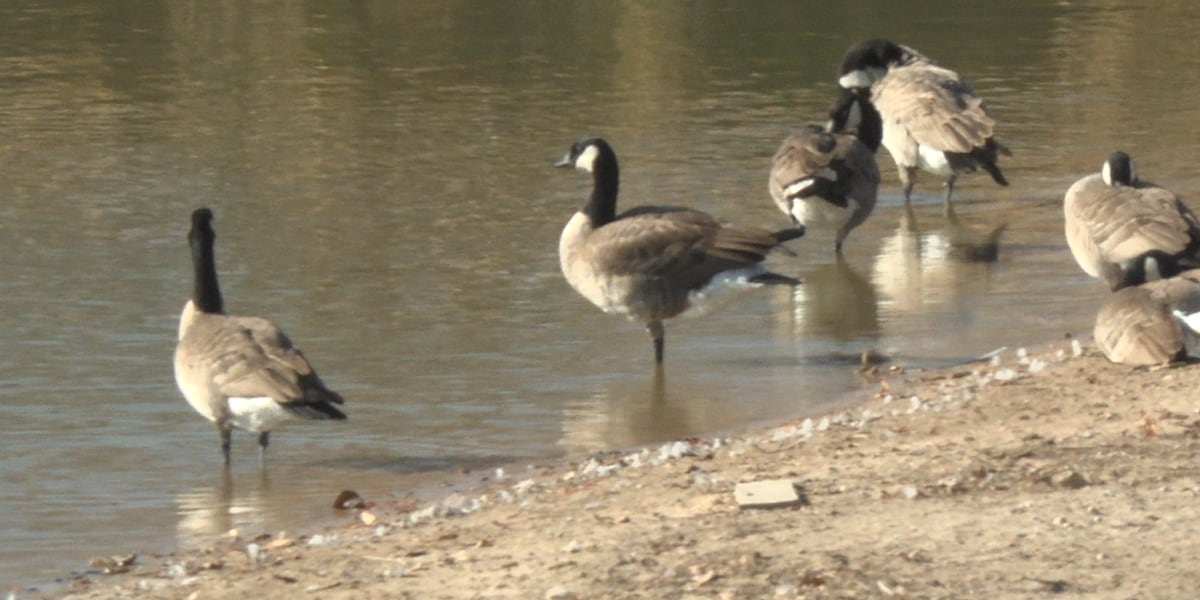
“Right now we’re seeing it in those migratory birds and you know if you go out to any of these lakes there’s thousands of Canadian geese and other birds out there in the area right now and we kind of saw this last year also,” she said. “As those migratory birds move through brought bird flu into the community and then when those birds move on it has disappeared.”
Officials will continue monitoring migratory birds and encourage residents to report unusual sightings to protect both people and animals.
The Texas Parks and Wildlife Department offers additional prevention recommendations for homeowners with bird feeders or water sources.
They suggest changing birdbath water every few days and cleaning feeders and water sources at least every two weeks using a solution of one part household bleach to nine parts water.
These precautions help maintain safe environments for both wildlife and residents during migration periods.
Copyright 2025 KCBD. All rights reserved.