
Texas’ main economic indicators were mostly flat in September as escalating fears of an economic slowdown weighed on economists and American households, new data from the Bureau of Labor Statistics and Texas Workforce Commission shows.
The report is the last snapshot of the state’s economy before the federal government shutdown, which started Oct. 1 and lasted a record 43 days, resulting in at least 67,000 furloughs and other economic pressures due to a lack of services.
For the month, the state added a net 4,600 nonfarm positions, according to the Workforce Commission, representing a statistically negligible change from August. Texas, with a population of around 31 million, recorded a record high civilian workforce of around 15.9 million, the TWC report notes.
For the year, the September report brought the state’s job growth to 168,000, representing a year-over-year seasonally adjusted nonfarm growth rate of 1.2%.
Business Briefing
That year-over-year growth rate was significantly better than the corresponding national rate, which was 0.8%. But for years, Texas’ economy has been growing much faster than the national average, with the 1.2% rate representing something of a cooldown from the state’s recent trajectory.
“Historically, the Texas economy grows around 2%,” Luis Torres, a senior economist at the San Antonio Branch of the Dallas Fed, said in an interview with The News earlier this fall. The 1.2% year-over-year rate is on par with modeling produced by the bank in September, when the Dallas Fed forecast the state’s employment would grow by 1.3% in 2025.
“So yes, it’s below trend,” Torres added, “and it’s also weaker than 2024.”
The data released Thursday showed that in September, Texas counted 14,343,800 nonfarm jobs, up from 14,339,200 in August and 14,175,800 in September of 2024. The state’s biggest monthly increase came from the construction sector, which added 4,300 jobs. The trade, transportation and utilities sector saw a monthly gain, as did Texas’ two million plus-worker government sector, which grew by nearly 6,000 workers.
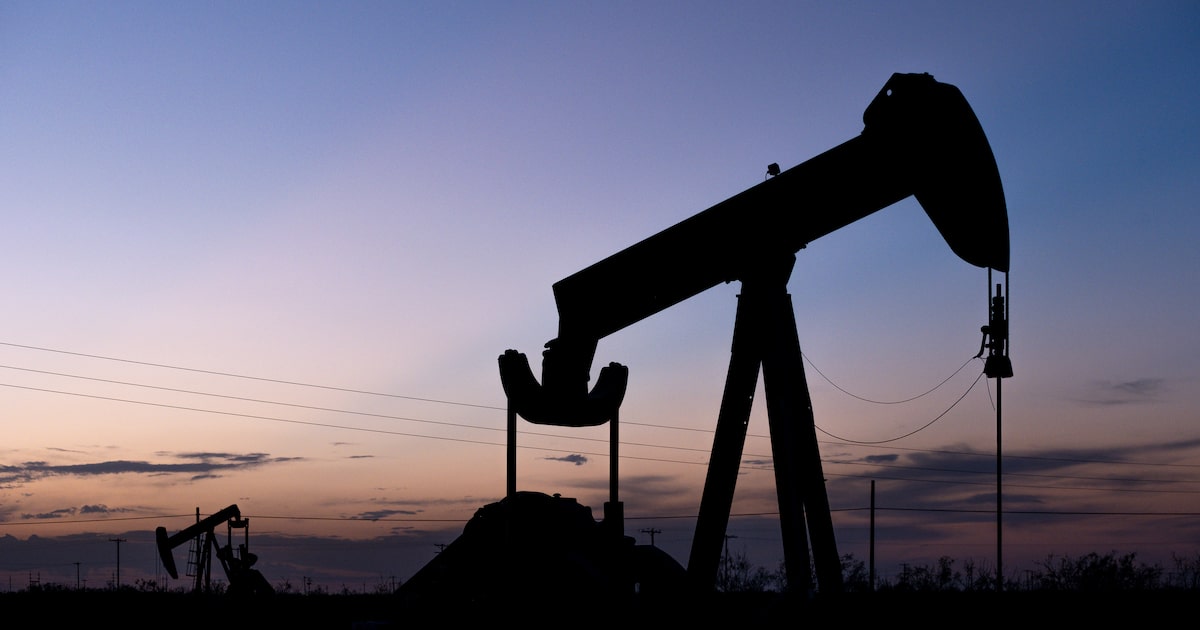
Texas’ information, professional and business services and private education and health services sectors recorded losses. At least some elements of the the state’s massive energy industry have also been lagging: In September Texas upstream oil and gas employment — a sector that refers to oil and gas exploration, including geologist, rig operator and engineering roles — fell by 1,300 jobs compared to August, according to a separate report compiled by the Texas Oil & Gas Association using BLS data. The monthly upstream jobs loss amounted to a drop of less than 1%.
“The recent downward cycle of the upstream job count confirms Texas is not immune to circumstances facing global oil markets,” Todd Staples, the president of the trade association, said in a statement.
Texas’ seasonally adjusted unemployment rate was 4.1% in September, according to the BLS data, slightly lower than the national average of 4.4% and unchanged from Texas’ August rate. The D-FW Metroplex’s September unadjusted unemployment rate was 4.2%, slightly higher than greater Austin and lower than that of greater Houston.
While the newly released September Texas data was still a net positive, showing a tiny jobs gain, it’s unlikely to sway economists’ recent assessment that after years of exceptional growth the state’s economy has been decelerating, even if it’s still somewhat better positioned than the U.S. economy writ large.
The Bureau of Labor Statistics did not collect its usual monthly jobs data in October because of the federal government shutdown.