
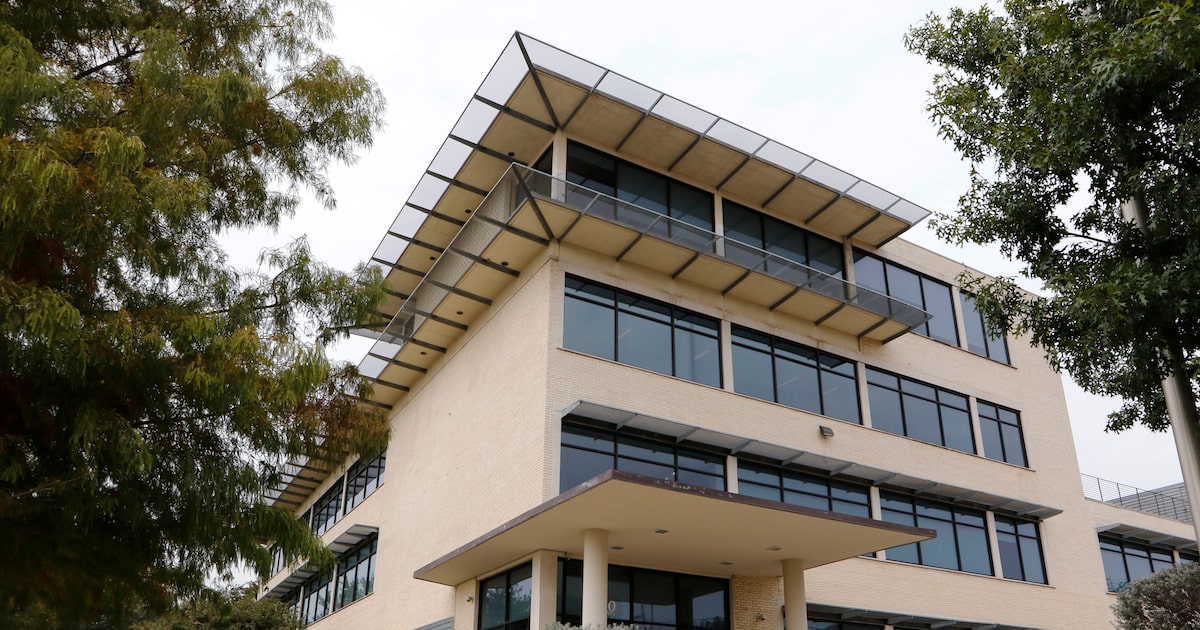
A bruising fight Thursday among Dallas police and fire pension board members ended after a majority voted 6-5 to finalize the city’s 30-year funding plan to resolve a $3 billion shortfall.
This comes a day after the City Council greenlit its own funding plan and intention to settle the lawsuit. But the pension board had to agree with it to go through.
“This plan ensures that we honor our commitments to our first responders, safeguard the City’s financial stability, and build a stronger foundation for generations to come,” said City Manager Kimberly Bizor Tolbert in a statement.
On Thursday, mistrust swirled among retirees and officers currently in service. They questioned the loyalty and fiduciary commitments of the six mayoral appointees to the pension system. Several asked why the board had chosen to accept the city’s offer after fighting it tooth and nail in negotiations and then at court, where the pension system had prevailed.
Political Points
State Rep. Mitch Little, R-Lewisville, came to speak to the pension board on the invitation of the police and firefighters association. He said the legislature’s intervention hinged upon making the pension solvent by 2055.
“As I understand the matter that’s before the board, this plan will take the pension system in the opposite direction,” Little said, adding that a bad plan was a matter of concern for first responders who were seated behind him.
The two sides have been warring over the money the city is set to contribute over the next three decades. Pension board members appointed by first responders raised concerns that the rules governing contributions would continually underfund the pension system rather than resolve the funding shortfall. A heated debate ensued.
The vote brings to an end a legal fight that began last year when the pension system sued the city, seeking to let the courts decide who had the final say in approving a plan. The pension system won the first fight after a Travis County court ruled in its favor earlier this year.
Last month, judges at an El Paso court went over arguments again after the city appealed the lower court’s decision. That same week in November, in a surprise breakthrough, all six mayoral appointees at the pension board voted in favor of accepting the city’s terms. The remaining five, representing police and fire associations, voted against the measure.
Tina Hernandez Patterson, a pension board member appointed by the first responders, wrote in an op-ed in The Dallas Morning News she disagreed with how the November vote played out. She questioned a settlement at a time when the pension system appeared to have the upper hand, as evidenced by the lower court’s judgment in its favor.
The predicament has never been more emotional, and pitted the city’s civilian employees and first responders against each other. The fund’s future matters far more to the retirees and beneficiaries who are banking on cost-of-living adjustments, which were frozen by state intervention to stabilize the fund.
“I never anticipated working here for 40 years, but I’m still working,” said Glenn Stone, a detective with the Dallas Police Department. “I’m 66 years old, and I’m still here working largely to do the pension and security.”
In 2017, the fund was at risk of collapse. A previous board, composed of members with no financial backgrounds, made risky real estate and private equity investments that are hard to exit, and its results haunt the system’s finances decades later.
The system has worked over the years to wean itself off these hard-to-exit assets and has allocated most of its assets to public markets, including stocks and bonds. Today, these markets make up more than 80% of the pension system’s portfolio, and the year-to-date return is at 16% and 9.6% on a five-year basis.
Dallas released a year-end review detailing convention center progress. What to knowDallas launches website to comply with AG Paxton investigation