
When TCU rolled out AI² — shorthand for Accelerating Institutional AI — it wasn’t simply unveiling a new campus project. It was planting a flag. In a moment when artificial intelligence is reshaping classrooms and laboratories with the force of a West Texas front, TCU has committed $10 million to a hybrid computing ecosystem designed to elevate research, sharpen student training, and anchor the school more firmly in North Texas’ innovation circuit.
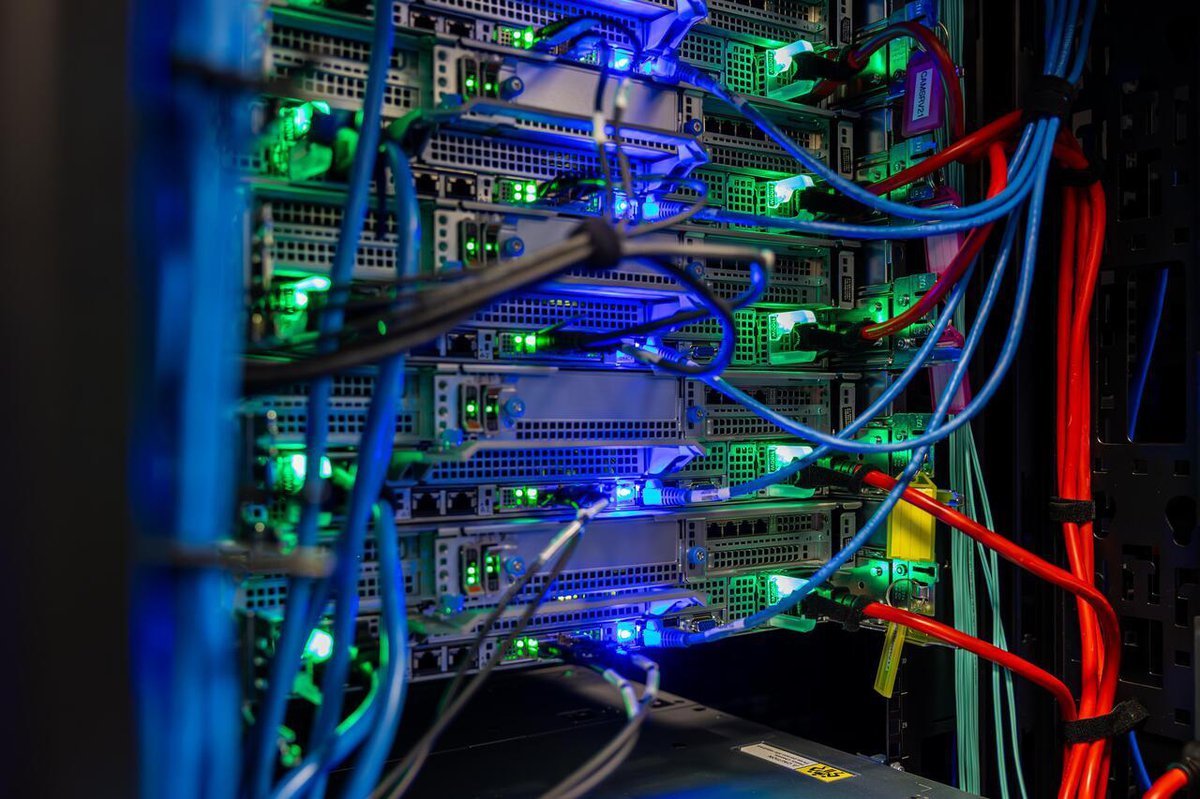
The initiative combines secure, on-campus infrastructure with the scalable reach of Amazon Web Services and Microsoft, all built on Dell Technologies’ AI Factory with NVIDIA, according to a release. The architecture keeps sensitive data close while giving big-picture research the room it needs to expand, a balance that mirrors the university’s dual priorities of ambition and responsibility.
“AI isn’t just changing the rate of learning and the landscape of higher education — it’s making history,” Chancellor Daniel W. Pullin said. “TCU has always prepared students with values and academic rigor to lead in a global society.”
The initiative centralizes and accelerates the university’s growing AI work, bringing together faculty “from business and engineering to the liberal and fine arts” under one ethical framework. Instead of siloed efforts, the model encourages collaboration across disciplines while keeping a steady focus on responsible practice.
Provost Floyd Wormley calls the project a way to scale what is already happening on campus.
“It’s critical that we support the academic units with work underway and forge a path that empowers all TCU students, faculty and staff,” he said, pointing to the need for infrastructure that keeps pace with research ambitions while maintaining a sense of responsibility.
AI² splits its computing load between high-performance machines housed on campus and cloud resources that absorb demand when projects swell. The hybrid model avoids the cost and energy burden of a massive physical data center while still delivering the muscle researchers expect.
Reuben F. Burch V, vice provost for research, frames the investment as a milestone in TCU’s advance toward Research One status.
“AI² gives our faculty and students a world-class tool to foster interdisciplinary research partnerships and generate high-impact outcomes,” he said.
Dell Technologies, a longtime partner to higher education, echoes that sentiment. “Our Dell AI Factory with NVIDIA provides the secure, scalable infrastructure behind TCU’s landmark AI² initiative,” said Jennifer Herbert. “TCU researchers and students will be enabled to explore new frontiers in ethical AI.”
What sets TCU’s approach apart is the insistence that AI not be siloed. Governance structures will oversee four pillars: teaching with AI, researching with AI, studying AI itself and safeguarding ethical practice. It is a recognition that the technology demands both creative freedom and guardrails.
Chief technology officer Bryan Lucas puts the investment in broader context. “TCU’s investment is more than hardware and software — it’s another proof point that we are serious about innovation and impact.”