
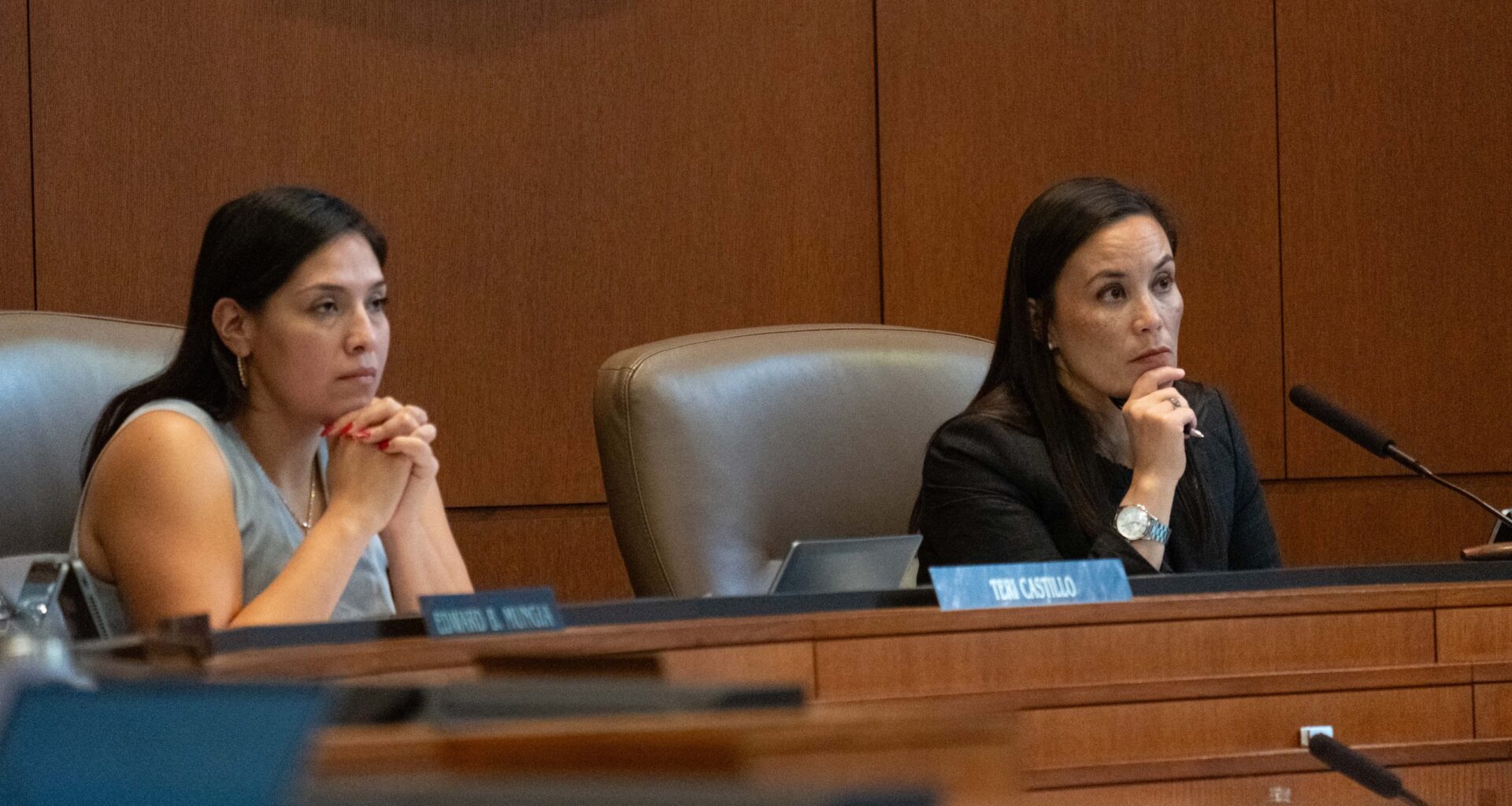
San Antonio officials have advanced a Council Consideration Request aimed at expanding job opportunities for residents with criminal records and working toward an interlocal agreement for a joint workforce initiative with Bexar County.
Filed by District 5 Councilmember Teri Castillo, the CCR directs city staff to coordinate with Bexar County’s reentry center and community partners to identify existing fair-chance hiring efforts, explore federal grant opportunities for expansion, and research best practices for second-chance hiring.
The effort is meant to reduce the chilling effect criminal records can have on job applications, even after people complete training or reentry programs.
The council request calls for evaluating how fair-chance hiring could be implemented through city employment, city contracts and incentives, including certified contractors and private employers that receive city tax benefits.
Fair-chance hiring generally refers to practices that limit how and when criminal history is considered in the hiring process, emphasizing individualized review rather than automatic disqualification.
Castillo told the committee she believes the request complements the city’s Ready to Work program and thanked community partners and the public for their support.
“This is the work we should be doing to build an inclusive San Antonio and I’m grateful to the partners who are doing that work day in and day out to identify those gaps to ensure we can get more folks into high-paying jobs,” she said.
City staff noted that about 2,800 Ready to Work participants have voluntarily identified as justice-impacted, meaning they have been affected by the criminal justice system including through incarceration, probation or parole, or have an arrest or criminal record. Officials said disclosure to the workforce program is optional, which could affect reporting numbers, and data on how many of those participants have been successfully placed in jobs is still under review.
Because Texas law allows most employers to consider criminal convictions unless they are expunged, a past record can still surface during hiring even after someone completes a workforce program.
That gap between training and employment surfaced repeatedly during public comment, as residents described how criminal records can continue to limit access to work, housing and long-term stability for former inmates — even years after sentences are completed.
Destiny De La Rosa, a mentor with Big Homie’s, an organization that supports individuals affected by incarceration, told council members she sees the CCR as an opportunity for what she called a “real second chance.”
“A second chance is an opportunity to rebuild a life, to support a family and not be defined forever by my past mistakes,” De La Rosa said. “I do not want my background to follow me for the rest of my life. With this CCR, individuals like me can finally access the opportunities we need to grow and succeed.”
Steven Huerta, executive director of All of Us or None, a grassroots organization that advocates against discrimination faced by people with criminal records, told council members that breaking down employment barriers is also a public safety issue.
“The research is clear, when people get a fair shot at work or have their records cleared, … the likelihood of reoffending goes down, not up,” he said. “If our concern is also public safety, the safest thing that we can do is make sure that we get people with criminal records stable jobs. “
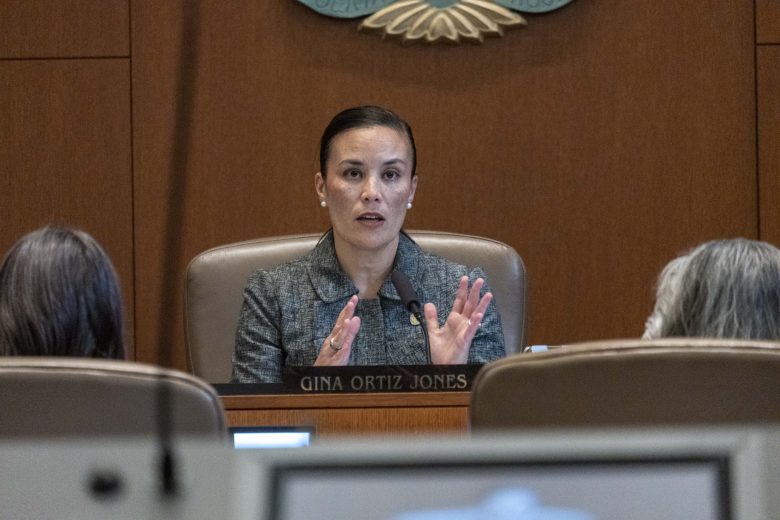 Mayor Gina Ortiz Jones said her personal experiences shape her support for second-chance hiring efforts. Credit: Amber Esparza / San Antonio Report
Mayor Gina Ortiz Jones also voiced her support for the CCR, recalling her own experience as a teenager when she received six months of probation following an altercation.
“I was able to have my record expunged and go on to do other things, and I was thankful for the folks who came into my life and helped me get on a different path,” Jones said. “So when I think about giving folks in our community a second chance in all ways, we should absolutely do that — especially given what’s happening at the federal and state level that is making it harder to do so.”
City staff said any future program would need to be developed within existing state law, including limits under the Texas Labor Code, and structured in a way that avoids regulating private employers’ hiring practices.
The Governance Committee voted to refer the CCR to the Economic and Workforce Development Committee, which will review best practices around second-chance hiring and determine whether the city should pursue an interlocal agreement with Bexar County to establish a joint workforce initiative.
Officials said preliminary discussions suggest the county is open to the partnership.
The committee is expected to take up the issue in the coming weeks before any recommendations return to the full City Council.