
Anyone who’s met a Texan knows how proud they are of their state. Some of them even prefer the term “the Free State of Texas.” That’s why it’s so puzzling that Texas lawmakers would turn to foreign governments—including Australia and Canada—rather than the United States, when it comes to regulating food safety.
They did so in an obscure provision of a long and complicated law known as SB 25, which went into effect in September. Section 9 of that law is now being challenged in a federal lawsuit by the American Beverage Association. It requires soda makers and other companies to post warning labels on their products stating that they contain “an ingredient that is not recommended for human consumption by the appropriate authority in Australia, Canada, the European Union, or the United Kingdom”—even though the chemicals in question are deemed safe by the United States Food and Drug Administration.
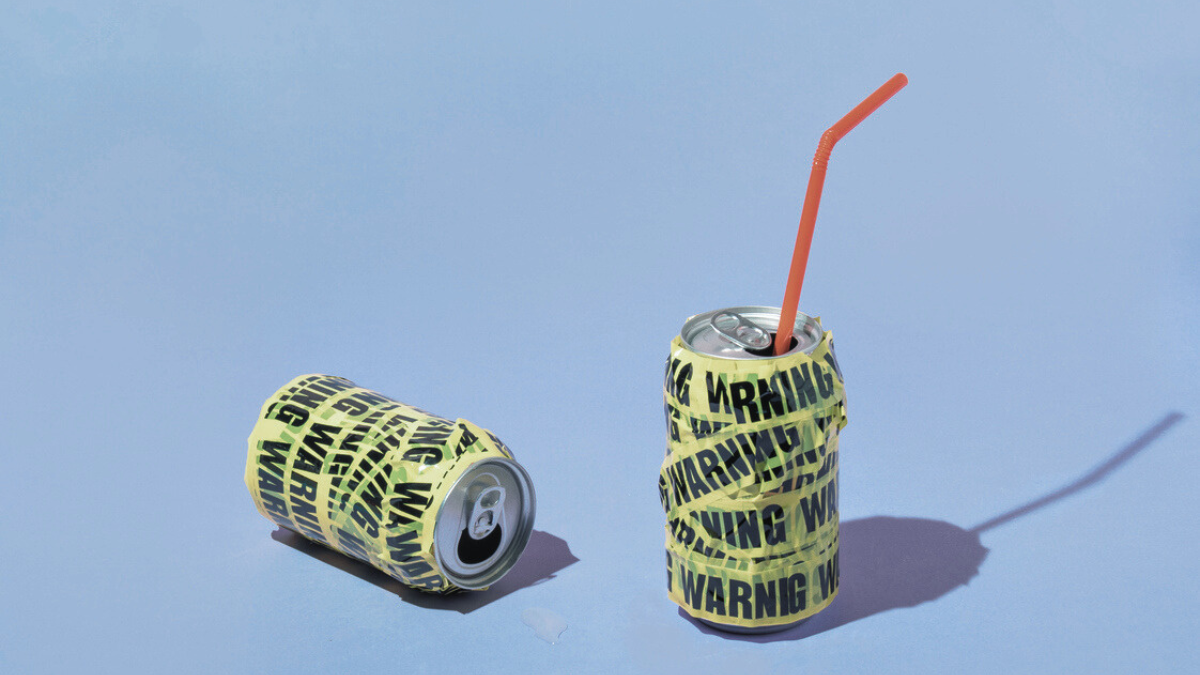
That doesn’t just interfere with federal food safety regulation (a no-no, given that federal law takes precedence over state law), but, as we explain in a brief we filed yesterday in support of the Beverage Association, it also violates the First Amendment, which forbids the government from forcing people or businesses to say things they don’t want to say. And although under a Supreme Court decision called Zauderer, companies can be required to post warning labels in order to ensure that consumers aren’t confused or misled, the Supreme Court has made clear that the Zauderer rule doesn’t mean government can exploit warning labels to simply manipulate people’s behavior.
States have tried to abuse the warning-label rule before—especially California. Just a few years ago, San Francisco lawmakers passed a rule forcing soda companies to add a warning to their advertisements that drinking sugary cola can be bad for your health. But the same requirement was not imposed on companies selling sugary fruit drinks, even though these can be just as bad for your health. The Ninth Circuit struck down that requirement on the grounds that the federal government is responsible for regulating such things, and cities can’t interfere. But as the late Judge Sandra Ikuta noted, the requirement was also invalid because it forced soda companies to say something that just isn’t true. “The message that drinking sugar-sweetened beverages ‘contributes to’ diabetes,” she wrote, “is devoid of scientific support…. Insisting that compelled speech be purely factual may seem persnickety, but there are significant constitutional implications whenever the government seeks to control our speech. There are also societal consequences to inaccurate government-mandated messages.”
The Beverage Association points out that, as with the San Francisco case, Texas’s Section 9 interferes with federal power and violates the free speech rights of companies. It’s certainly strange that Lone Star State legislators would prefer to obey the rulings of Canadian or European Union regulators than to heed American officials when it comes to food safety. But whatever their reasons, our Constitution doesn’t allow states to outsource their governing responsibilities to foreign governments—or to force people to say things they don’t want to say.
You can read our brief here.
Timothy Sandefur is the Vice President for Legal Affairs at the Goldwater Institute.