
Drones are moving from novelty to workhorse. In the next decade, they will inspect pipelines and power lines, map coasts, fight wildfires, secure plants and ports, and transform farming. Whoever builds and integrates them at scale will capture the jobs, supply chains and standards that follow. Texas should lead.
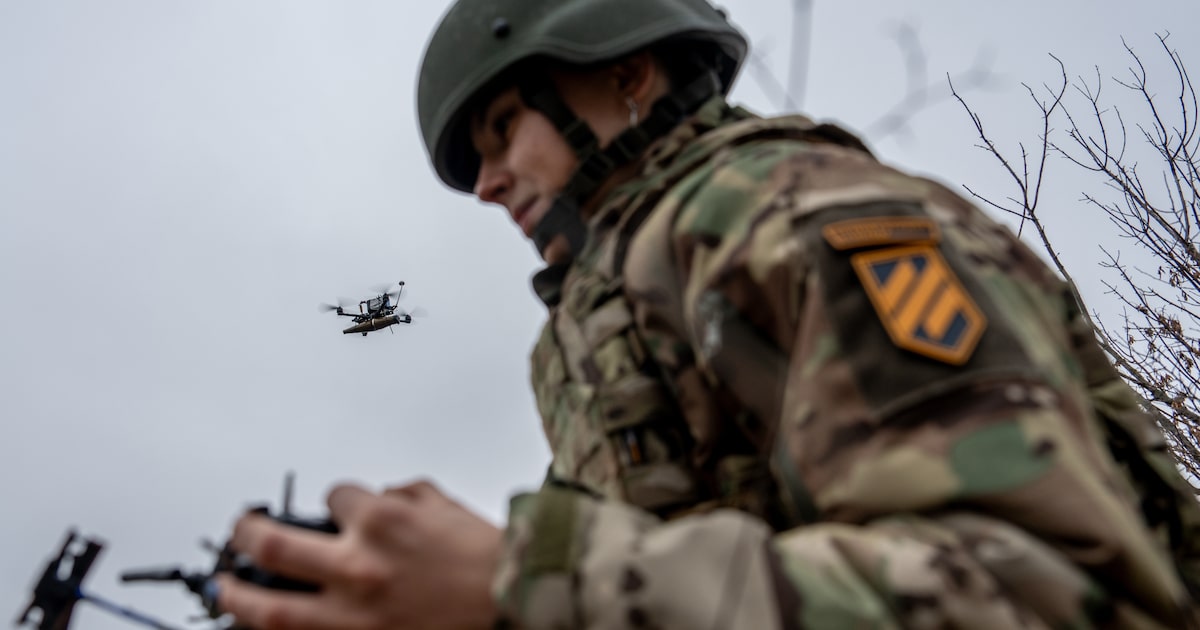
Nowhere on earth are drones being integrated more quickly than in Ukraine. The ongoing war has forced Ukrainian defense forces to rapidly problem solve with drones at the center of their strategy. Second, deep aerospace roots in Ukraine compress the cycle from idea to field test into weeks. In 2024, Ukraine stood up the world’s first Unmanned Systems Forces branch, successfully confronting a better-manned enemy. That urgency sits atop a long rocket engineering heritage that seeded generations of systems talent.
Texas can build on Ukraine’s ingenuity, helping both. Partnering with Ukrainian engineering teams, Texas universities and companies can engage in rapid ideation, prototyping and stress-testing faster and cheaper than going it alone.
Then we can certify, integrate and scale in Texas under U.S. safety, cybersecurity and procurement standards. It is brain circulation, not brain drain. Talent and jobs would remain in Ukraine while Texas adds integration, manufacturing, and service roles.
Opinion
Creating joint test beds and production sprints with Texas-based finishing and integration is a smart approach, so utilities, energy companies, agricultural co-ops and ports can adopt proven tools quickly. Qualifying allied suppliers for key components and building final integration capacity in Texas also makes sense.
Securing allied supply for the neodymium iron boron permanent magnets that are central to drone motors reduces exposure to single-country chokepoints in the magnet supply chain. Getting this right is in the U.S. national interest. It could lead to better grid and pipeline inspection, safer aviation and ports, and secure components for EVs, wind and aerospace, with standards Texas can help set. Magnet capacity is already coming online in Fort Worth, which makes Texas finishing and integration practical today.
U.S. magnet buildout starts with domestic sources and processing, complemented by allied supply as conditions allow. Ukraine has critical minerals potential, including rare earth elements, but commercial mining is limited today. Texas can bring capital, scale and verification over time. Texas labs and manufacturers can ensure quality, environmental compliance and chain of custody so ore from our Ukrainian ally becomes U.S.-compliant magnet inputs.
The number of potential benefits to Texas from a Ukrainian partnership are substantial. We could incorporate advanced pilot training and pair Texas firms with Ukrainian engineers to integrate drone use across industries. Think about grid fault detection, computer vision for wind turbine inspection and logistics optimization at DFW International Airport.
Texans are builders and prudent. Any engagement should include sanctions screening, reputable local partners, U.S. jurisdiction where feasible and independent audits. Keeping the books clean and the outcomes measurable would benefit both Texas businesses and Ukrainian partners. This cross-border work is not a single-employer project. It needs flexible leadership that coordinates universities, suppliers, and companies on both sides quickly.
This is also about people. A modest Dallas hub for the growing Ukrainian Orthodox community would anchor language classes, counseling, exhibits and youth programs. Design-for-impact studios can channel creativity into prosthetics, medical devices, and search-and-rescue platforms.
This approach asks Texas to practice principled realism. We can be pro-freedom and pro-business at the same time. We can build resilient supply chains, create good jobs, harden critical infrastructure and help an ally stand on its own feet. Trade reprieves come and go. Capacity that we build in Texas endures.
If we act now — leading together on drones, running targeted pilot projects, connecting the two-hub AI talent, qualifying magnet supply with U.S. and allied feedstock, including Ukraine, and using our convening power — Texas can write the next chapter.
Freedom and innovation can advance together, and Texas leadership can again set a standard for the nation.
Gregory W. Slayton is a former U.S. ambassador and chairman of Slayton Capital and the Slayton Family Foundation. He is the author of “Portraits of Ukraine: A Nation at War” (all profits to Ukrainian charities). Volodymyr “Vol” Berezhniy is a Texas-based Ukrainian entrepreneur building Texas-Ukraine bridges in AI and dual-use innovation (including advanced components for next-generation drones).