
One of the city’s last large development sites enters a new chapter while preserving deep local roots

Photo: City of Plano
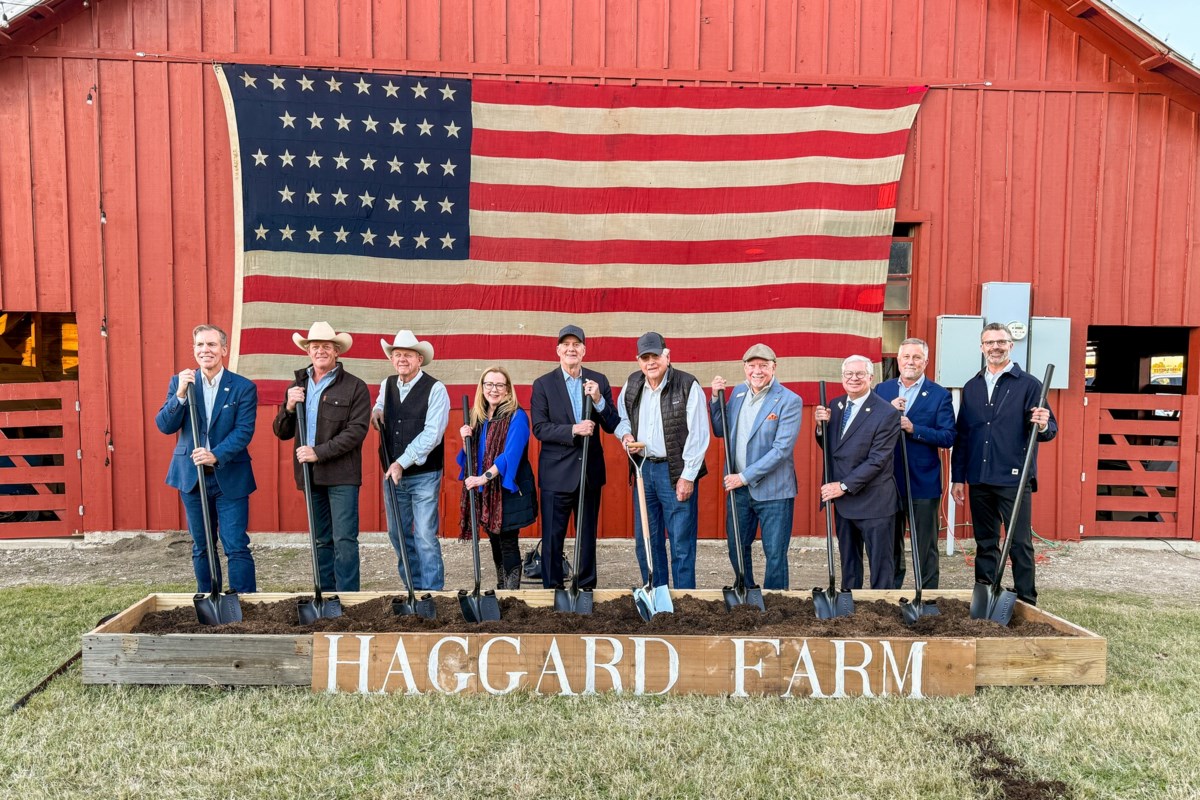
Plano officially broke ground on a long-anticipated mixed-use development at the historic Haggard Farm property, marking a major milestone for one of the city’s last large, undeveloped sites. City leaders, members of the Haggard family and community representatives gathered to celebrate the start of a project that will transform the land into a new destination while honoring its agricultural legacy.
The property, which has been tied to Plano’s history since 1856, will become a mixed-use district featuring a destination restaurant, boutique hotel, office and retail space, multifamily residences and expansive green space. The development is designed to blend growth with preservation, reflecting both the city’s evolution and the family history rooted in the land.
A New District Takes Shape
As previously reported by Local Profile, phase one of the project will introduce new retail, residential options, townhomes and an extensive trail system. This initial phase is intended to establish the foundation for a walkable district that connects neighborhoods, creates gathering spaces and integrates outdoor areas into daily life.
The broader development will span 142 acres and represent a $750 million investment. When fully built out, the site is projected to include hundreds of residential units, additional townhomes, office space and significant green areas that reinforce its community-focused design.

Photo: City of Plano
Blending History With Growth
The Haggard family has played a central role in Plano’s story for more than a century and a half. According to earlier reporting, the family first settled near Plano in 1856 and remained deeply involved in farming and local development as the city grew. Over generations, their name became woven into the community through schools, parks and civic landmarks.
While parts of the original farmland have already transitioned into modern development, this next phase continues a careful approach to preserving the site’s identity. Plans include architectural and landscape elements intended to reference the area’s agricultural past while supporting contemporary uses.
Rutledge Haggard, a great-great-grandson of the original settlers, previously reflected on the city’s transformation, recalling a time when Plano’s population barely exceeded 1,200 residents. His remarks underscore the dramatic change the city has experienced and the significance of stewarding one of its most historic properties into a new era.
Don’t miss anything Local. Sign up for our free newsletter.