
This story is part of a series on Hispanic entrepreneurs.
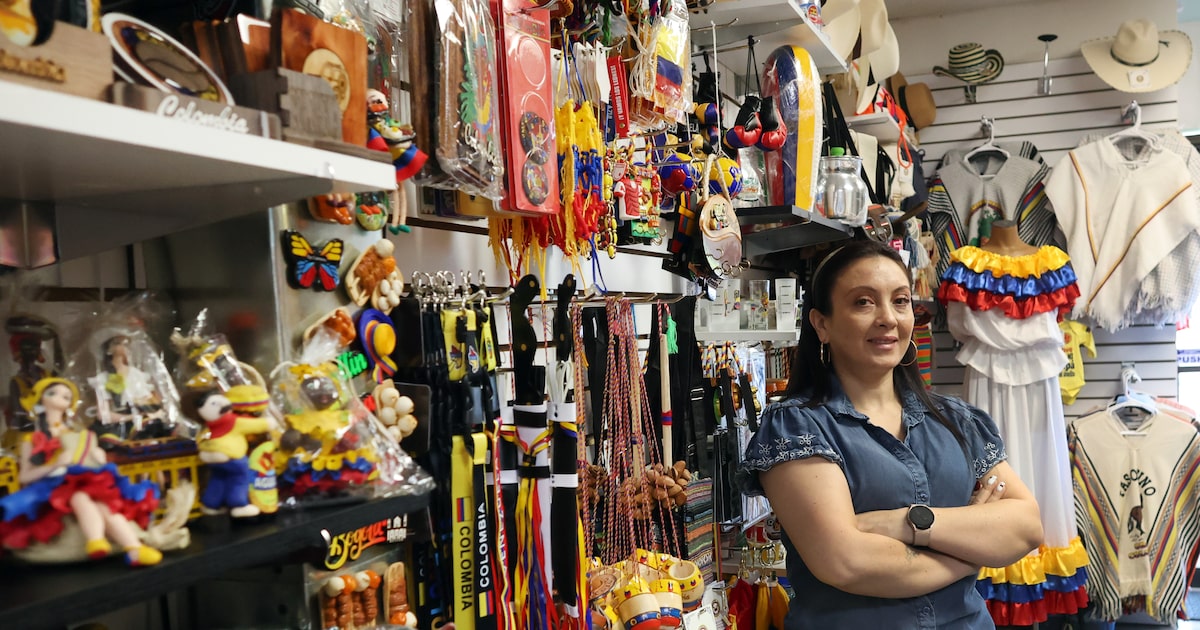
At her store, Colombianitos in Farmers Branch, Eddie Johana Duarte paced nervously through narrow aisles that brimmed with products from her homeland.
Hispanic entrepreneurs are one of the fastest-growing business groups in North Texas: One in seven businesses in Dallas County are Hispanic-owned.
It was the afternoon of Sept. 24, and the strip shopping center where she runs her business was eerily quiet. Valley View Lane, leading into the predominantly Hispanic neighborhood, was unusually clear.
Hours earlier, a gunman had fired at the U.S. Immigration and Customs Enforcement field office in Dallas, killing one detainee and injuring two others.
Actions like that deter migrants from going out, and as a result, the businesses that depend on them see their sales drop noticeably.
Business Briefing
“It’s worrisome. My entire life savings are invested here,” Duarte said.
Duarte opened her business only a year ago. Since then, she has battled inflation, tariffs, rising shipping costs and other headwinds. All of them have put her dream at risk.
Like Duarte, countless Hispanic residents across North Texas have invested their life savings into small businesses, driven by a determination to create opportunity amid economic turbulence and the heightened anxieties surrounding immigration enforcement.
Since 2017, the number of Hispanic entrepreneurs in North Texas has increased by 60%, according to the Greater Dallas Hispanic Chamber of Commerce.
“You have to be a risk-taker to be a business owner, even when that choice often defies common sense,” said Andrea Rivera, former president of the Greater North Texas Hispanic Chamber of Commerce.
One of those risk-takers is Rafael Romero, who arrived in Fort Worth nine years ago with his wife, their three children and just $200 in his pocket.
Today, Romero owns Tortas Ahogadas Guadalajara, where on any given Sunday, he serves nearly 300 tortas, crafted with a special bread filled with meat and drenched in a fiery, flavorful sauce.
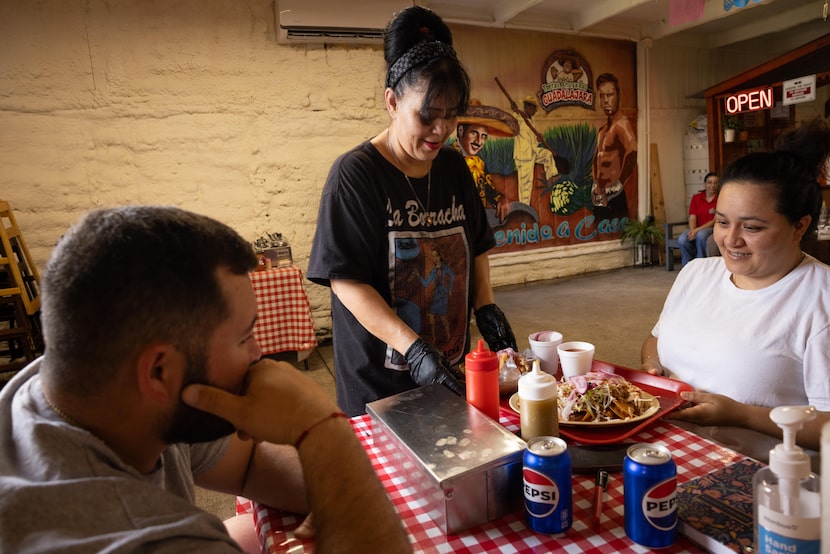
Doña Ana Nieto sets down tacos dorados for customers Jairo Gonzalez and Ana Rodriguez at Tortas Ahogadas Guadalajara in Fort Worth on Thursday, Sept. 25, 2025.
Juan Figueroa / Staff Photographer
“Thanks to God, we’ve been able to move forward through hard work and sacrifice,” Romero reflected.
He and his wife first launched their entrepreneurial journey in the kitchen of their apartment.
In the early days, the family survived by selling about 30 homemade tortas door-to-door each week.
“My motivation has always been to give my children a better life in this country, the United States, which offers so many opportunities,” Romero said.
In Dallas County, about one in seven businesses are Hispanic-owned, according to data from the Hispanic Chamber.
Overall, immigrants make up 32.2% of entrepreneurs in Dallas, despite representing only 24% of the population. Mexican immigrants account for more than half of immigrant entrepreneurs in the city.
Ricardo Luis, a Mexican entrepreneur, is the owner of Birrieria Los Chivos de Oro, a Fort Worth restaurant so popular that weekend lines often stretch for more than an hour.
When Luis and his wife first arrived in North Texas in 1993, money was scarce. They scraped together just enough to buy a single goat, prepared birria, and sold it door-to-door.
That first goat produced 50 bowls. Today, the couple serves up to 300 orders on weekdays and as many as 1,000 plates on Sundays.
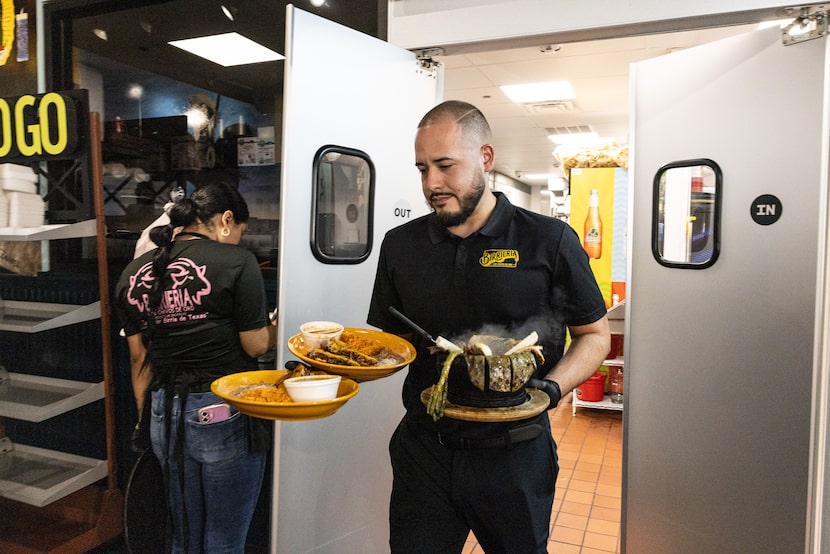
Ricardo Luis brings food out of the kitchen and serves diners during lunchtime at Birrieria Los Chivos de Oro on Sept. 25, 2025, in Fort Worth.
Angela Piazza / Staff Photographer
“I feel blessed to be able to provide jobs for others and support my family,” Luis said. “My children and my wife are proud of what we’ve achieved because we’ve done things the right way.”
Rivera noted that Latinos are entrepreneurs by nature, pointing out that in their countries of origin, it is common for people to open their own small businesses as a way to survive unemployment or low wages.
“Once in the United States, you have to push past the fear that the world is against you and believe in your ability to achieve the dream of owning your own business,” said Rivera, who is of Mexican descent.
“We must break the myth that we are victims of a difficult environment,” she said. “No one can hold you back when you set your mind to do something, when you know what it takes to be your own cheerleader. If you’re hungry enough, you’ll go out and chase your goals, pursue your dreams, no matter the obstacles.”
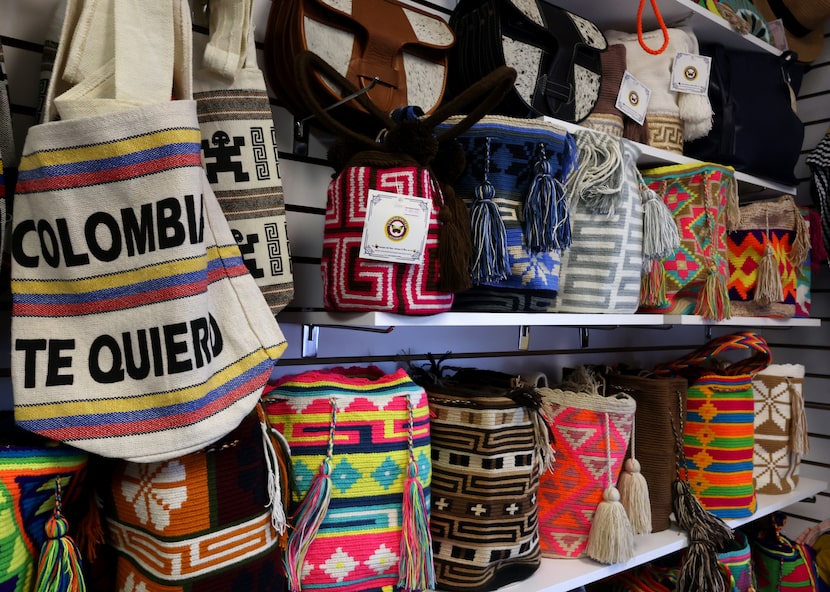
Duarte is a clear example of an entrepreneur pursuing success. Her shop is modest, barely 500 square feet, but the vibrant yellow, red and blue of the Colombian flag dominate the merchandise.
She was thrust into business during the pandemic.
She had no job or income, then her mother arrived from Colombia carrying a handful of keychains for her to sell online.
The supportive response from the Colombian community planted the seed for Duarte’s expansion.
Hispanic entrepreneur Eddie Johana Duarte is the owner of Colombianitos, which sells handicrafts, food items and sportswear native to the country at 2938 Valley View Lane in Farmers Branch.
Steve Hamm / Special Contributor
She has built a network of distributors, small indigenous communities from whom she sources all her products.
By bypassing large factories and corporations, Duarte supports vulnerable minority groups living in remote areas with limited resources.
“This store is my dream and future, but it’s also theirs,” Duarte said.
According to the Stanford Latino Entrepreneurship Initiative’s 2021 regional insights report, the Dallas metropolitan area is home to 9,215 Latino-owned businesses with at least one paid employee.
Texas has about 436,000 businesses with at least one employee operating throughout the state, of which about 59,000 are Latino-owned, according to a 2023 report released by UCLA Latino Policy and Politics.
Latino-owned businesses in Dallas are primarily concentrated in the accommodation and food services, construction, professional and business services, and retail trade sectors.
They remain underrepresented in higher-margin industries such as real estate and finance.
“Running your own business is never easy,” Duarte said. “There are countless payments and responsibilities to manage, but the fulfillment of being an entrepreneur while supporting vulnerable groups is a joy that nothing and no one can take away from you.”
Hispanic businesses in Dallas County: By the numbers
9,215 — Hispanic-owned businesses in Dallas County, representing significant economic activity.
15.3% — Market share: Hispanic-owned businesses represent more than one in seven businesses in Dallas County
41% — Immigrant ownership: Four in 10 Hispanic businesses are owned by immigrants.
5-year growth projection — By 2030, the number of Hispanic businesses is projected to reach approximately 12,000, representing 25% to 30% growth.
10-year growth projection — By 2035, the number of Hispanic businesses is projected to increase to approximately 14,700, representing a 60% rise.
Top-tier growth — Dallas County ranks among the top metros for Hispanic business growth rates.
SOURCE: Dallas Morning News research
More on Hispanic entrepreneurs in Dallas-Fort Worth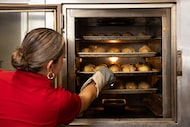 From $200 to flavorful success: How a family built Fort Worth’s beloved Tortas Ahogadas restaurant
The Fort Worth restaurant began with the search for the perfect bread for a sandwich.
 Bridges of hope: Dallas entrepreneur champions Colombia’s underprivileged communities
Dallas woman turns a handful of trinkets into a business that supports both her in D-FW and crafters in Colombia.