
EL PASO, Texas — Despite heightened immigration enforcement and political uncertainty at the U.S.-Mexico border, Mexican shoppers continue to play a vital role in Texas’ retail economy, contributing billions of dollars in spending each year.
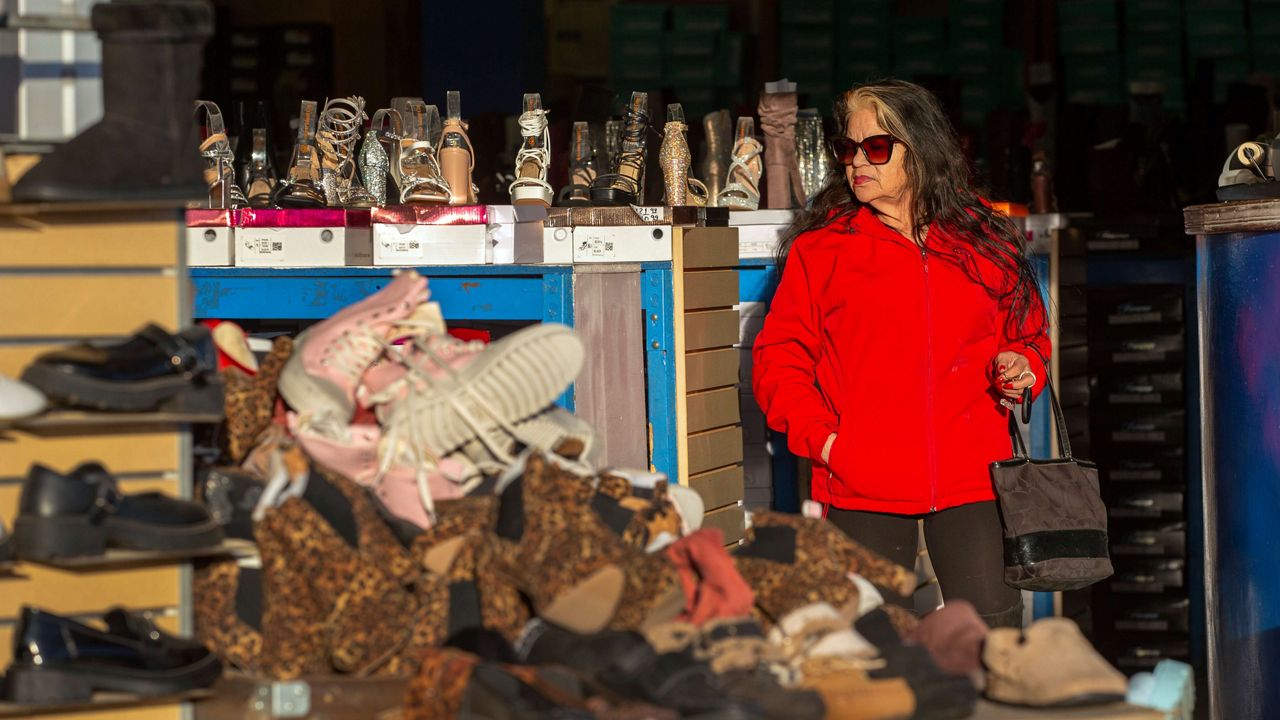
In El Paso, the impact is especially visible during the holiday season. Local malls and stores remain packed with shoppers, many of whom are visiting from Mexico. Several shoppers say concerns over immigration policies have not altered their routines.
“We still come because there’s more variety and better prices,” said Rafael Ávila, a shopper from Ciudad Juárez. “You find sales and special offers that are harder to find back home.”
Business owners say that cross-border visits are a key driver of strong seasonal profits. According to José Corral, a local business manager, Mexican shoppers are drawn by both quality and affordability.
“They like to come here because we have high-quality products and competitive prices,” Corral said.
For some visitors, shopping in Texas is also a business opportunity. Mario Gamboa, a merchant from Mexico, regularly purchases merchandise in El Paso to resell across the border.
“Tennis shoes are cheaper here, blankets too,” Gamboa explained. “In Mexico, I sell them for a little more.”
Economists say this pattern extends far beyond El Paso. Cities across Texas, especially border communities, benefit year-round from Mexican consumer spending.
“For a city like McAllen, it’s almost a third of their commercial activity,” said Belinda Roman, an economics professor at St. Mary’s University. “For larger metro areas like El Paso and Juárez combined, we’re probably talking about close to $1 billion.”
Roman’s research also shows that the purchasing power of Mexican nationals has increased in recent years, driven in part by the growth of Mexico’s middle class.
“We’re not just talking about lower-income shoppers anymore,” Roman said. “There’s a strong and growing Mexican middle class coming from places like Chihuahua and Monterrey, and they want to shop, especially in northern U.S. cities.”
While some business owners and shoppers have expressed concern that tougher immigration policies under the Trump administration could discourage cross-border travel, most Mexican visitors enter the U.S. legally using visas. So far, economists say, those concerns have not translated into a noticeable decline in spending.
“The use of ATMs throughout the city tells the story,” Roman said. “There’s a lot of commercial activity. Mexican nationals don’t just come to buy one item and leave; they use U.S. cities almost as if they were at home.”
For now, economists say, Mexican shoppers remain a cornerstone of Texas’ retail economy, providing a crucial boost not only to border cities but to communities across the state.