
The Fort Worth Police Department will spend at least $700,000 and possibly more than $2 million to upgrade its policing strategies.
During the Dec. 9 Fort Worth City Council meeting, members approved contracts for Real-Time Crime Center Law Enforcement Data software and with the University of Texas-San Antonio for implementing evidence-based crime-reduction strategies citywide.
The context
The contract with UTSA is for $218,898 to provide technical assistance in crime reduction, strategic planning and implementation efforts. The funding is for general operating and maintenance and crime control and prevention, according to city documents.
By March 2027, a comprehensive evaluation report will be completed, assessing the implementation of crime-reduction strategies and their impact on the police department, the city and community stakeholders, per city documents.
Diving deeper
The software contract with Peregrine Technologies, Inc., based in San Francisco, is for $490,000 for the first year. The contract comes with four one-year renewals, each increasing by 3% annually, resulting in a final contract value exceeding $2 million.
The contract would allow the city to merge a series of data points used by police to run people’s names, addresses or vehicle information.
The Peregrine system would allow officers and dispatchers to search multiple data platform softwares at the same time, rather than one at a time. The contract could run through Jan. 31, 2031, and is funded through the general capital project fund and CCPD fund.
What they’re saying
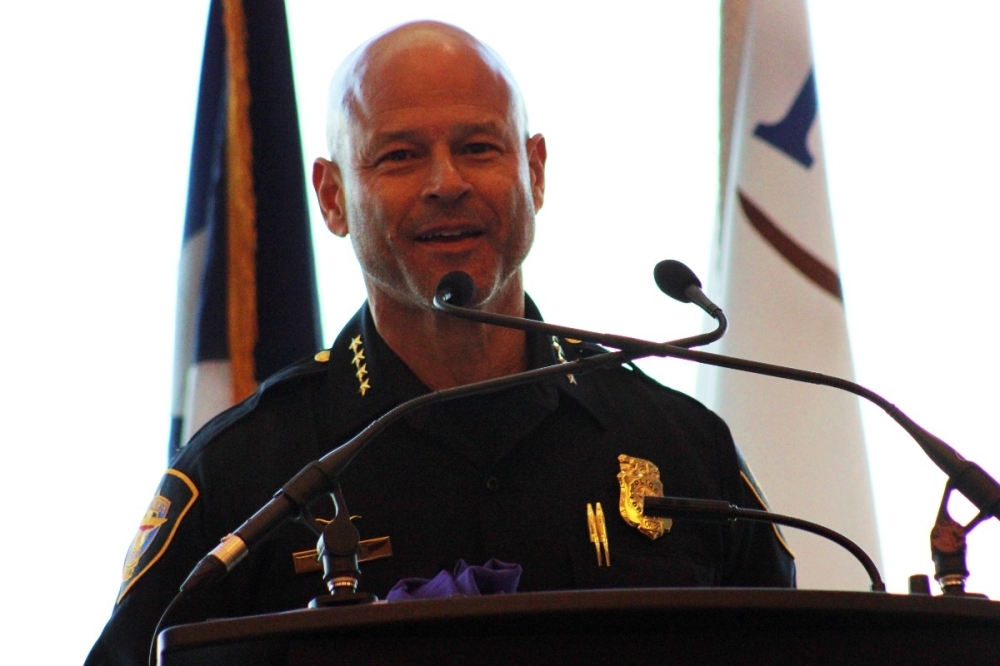
New Fort Worth Police Chief Eddie Garcia mentioned the plan for an evidence-based system during the Council District 10 Town Hall in September.
He said he prefers proactive policing, rather than reactive, and stated his intention to bring in experts in criminology to help study different parts of the city.
“There’s not a city that I’ve been in that would be successful if we didn’t have men and women at 2 o’clock in the morning doing a proactive pedestrian stop that would be able to stop an individual before committing a crime,” he said.
The research council members approved has been used in San Antonio, Dallas, Salt Lake City, Tacoma, Washington, and San Jose, California, according to council documents.