
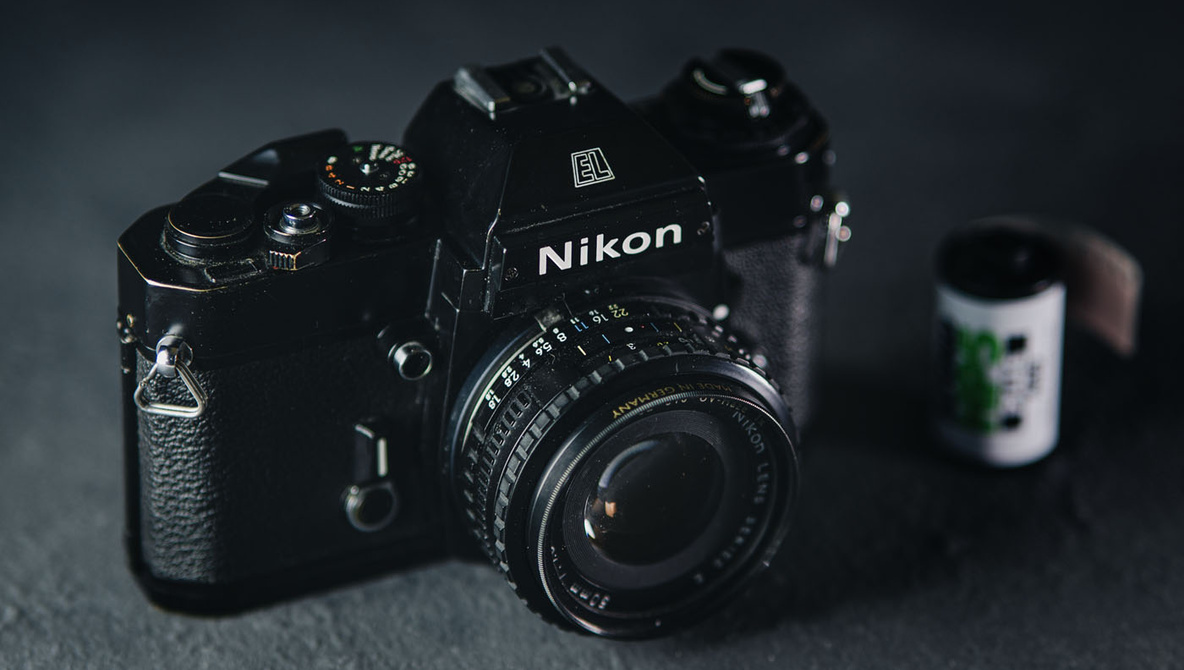
I visited my local camera store in Canada recently and chatted with the guy working there about film photography. He confirmed what I was already experiencing from spending too much time on YouTube, telling me how popular it’s become and how the popularity continues to grow. He said it’s mostly younger people getting into film photography, and they can’t keep a used film camera in the display case for more than a few days; they get snapped up. Why is that?
Disbelief
I told Camera Store Guy I was considering getting back into film photography after a 20-year break and inquired about developing.
He said it takes 4-6 weeks to develop a roll of film and get the scans emailed back. What?
He said they send the film to the U.S. What?
So I said, “Wait, get scans back? I just want the film developed; I don’t want scans. Is it quicker with no scans?”
He said, “They don’t send you the negatives, only digital scans.” Whaaat?
“They keep your negatives?”
“Yes.”
I asked what’s the point of that. The purpose of film photography—for me at least—is to take your negative and make large prints of your photos, or keep the negative so you can get a high-resolution scan made if desired.
He said the youngsters who are into film photography don’t want the negatives; they just want digital scans. They want instant results. They only want to share their photos online without a fuss. Wtf!
“So why on earth don’t they just use a frikkin’ digital camera, in that case?” I replied.
Camera Store Guy shook his head in agreement. We both shrugged. Stupid kids.
I walked out of the store in total disbelief. I had made up my mind that I wanted to get back into film photography and have the ability to make my own high-quality prints. I’d already figured out my process. I would take my negs and place them on my light box, and set up my 48 MP digital camera with a 100mm macro lens to shoot a high-quality raw file. This would be far superior to the volume-scanned little JPG images a lab would provide.
As it turns out, after some research on the interweb, I found a couple of pro labs in Toronto that would just develop my film and give me the negatives. Good.
So Why Am I Going Back to Film Photography?
I’m tired of technology. Technology is useful for client shoots to improve workflow, but for my personal projects I don’t want it—or need it. I want a pure photography experience again, where I’m in complete control of the process. I’m pretty close to that with my Leica Q2 Monochrome, but I want to take that further. I loved using a basic mechanical camera back in the day, so it’s finally time to revisit that experience and dust off the old Nikon EL2.
Some Pros and Cons of Film Photography
You can pick up an old, yet very well-built mechanical film camera from the 1970s for less than $100, often with a 50mm lens attached. That’s all you need to start your film-photography journey; that’s all I had for many years as I learned photography back in the eighties.
On the other hand, the cost of a roll of film and developing needs to be considered. There are fewer labs around than there used to be, and costs have risen to meet the increased demand. As already mentioned, you can turn your photos into high-quality digital files at home with the right gear. Actually, you can develop your film at home, too. I’m considering that.
Another thing to consider is that old cameras wear out and break, and there aren’t as many people who can service or fix a camera as there used to be. Having a CLA is expensive. A mint-condition film camera has become a collector’s item now, and prices have shot up. I’ve seen some camera models quadruple in price in just a couple of years.
Of course, because of this, if you can find a vintage camera in really great condition for a reasonable price, a year or so down the road—if you want to upgrade or decide film photography isn’t for you—you’ll get your money back and potentially could even make a few dollars. Nikon and Leica are two brands I know well, and this is certainly the case with both of them.
Slow Down and Improve Your Craft
Film photography allows you to slow down, be more intentional, and really focus on the craft of photography without any distractions from technology.
What I love about film photography is that, because every shot costs money, you learn not to take the “spray and prey” approach that many use with a digital camera. This means you think more about your subject, composition, and timing. This builds strong, intentional visual skills.
A simple mechanical film camera is the best way to learn photography. You learn the fundamentals and quickly understand aperture, shutter speed, and how to focus without the distraction of LCD screens and technology that wants to do the work for you. You become a more thoughtful and technically capable photographer, which will help you no end when you pick up a modern tech- and AI-packed digital camera—if, in fact, you would even want to.
So it’s worth repeating: a simple mechanical film camera is the best way to learn photography. Quite the statement, I know, but I stand by that.
Many film photographers swear the unique qualities of film stocks—with their grain, halation, color characteristics, and imperfections—all contribute to a distinctive final image. Some say there’s more feeling in a film photo.
On the other hand, with a digital camera and some skill in an editing app like Photoshop, it’s fairly easy to create images with a vintage film-stock look. But hey, that’s an easy thing to say. I have to be honest: I’m on the fence about this. I know I can create photos with a digital camera that look like they were shot on film, particularly in black and white, which I prefer over color most of the time. I can create the same look and feel—the same vibe. But is film photography about the final result, the aesthetic? No, it’s more about the process, in my opinion. I think if I did capture something special on film, I would get more pleasure from making a large film print than I would a digital print. A completely mechanical and analog experience is, well, an experience. It’s satisfying and rewarding. Okay, maybe now I’m just romanticizing about the past. I could change my mind about this in six months.
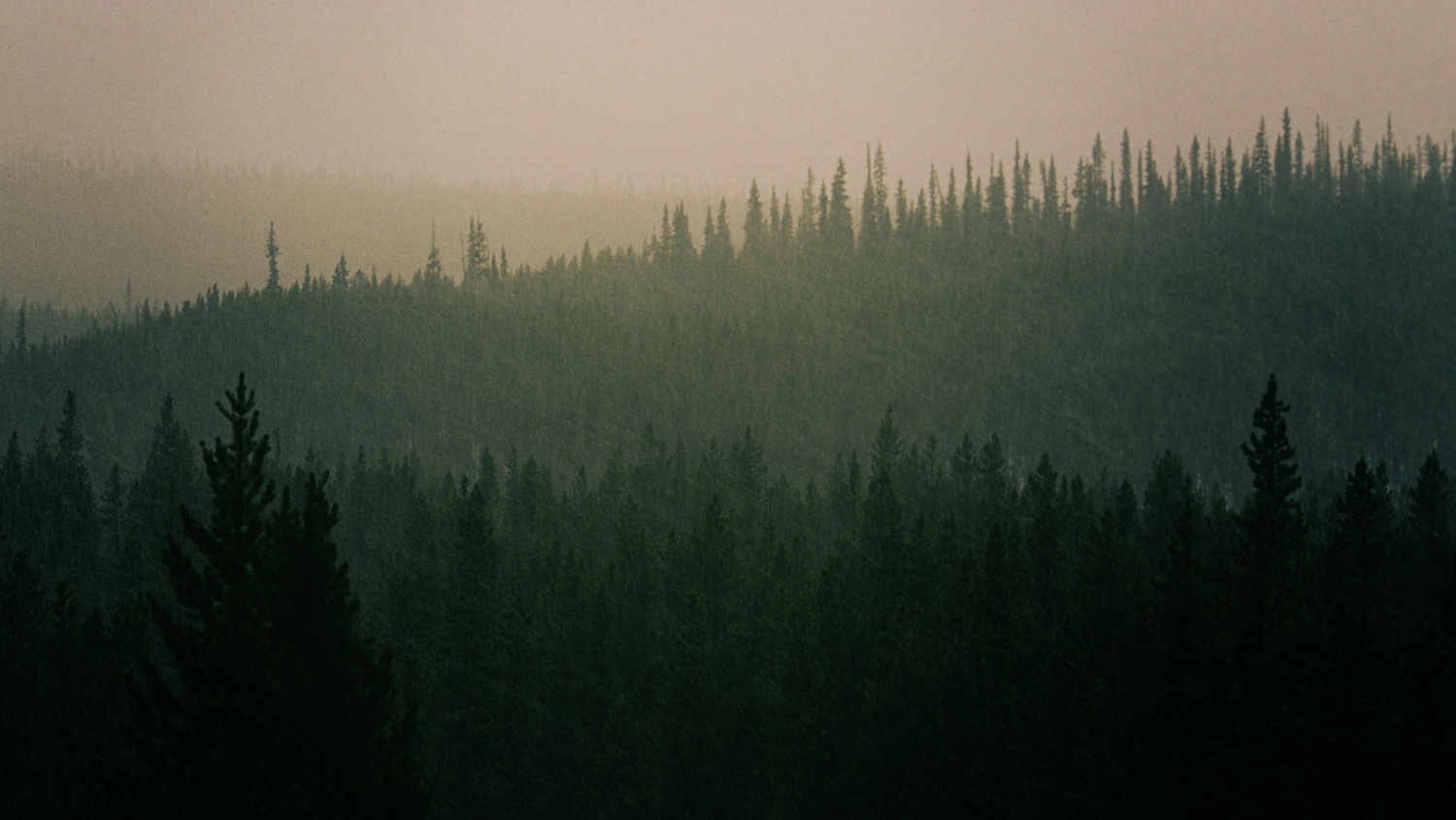
There’s another argument for film that I don’t hear discussed much. Digital images don’t last forever. If you store a digital photo, the drive you store it on isn’t built to last forever; it has a shelf life and will eventually fail. So you need to have multiple copies and potentially update your storage solution every few years.
Negatives and transparencies, on the other hand, can last forever—certainly a lifetime. Even prints do. I have negatives and prints that are now over 40 years old, and they are as good as the day they were developed. Ideally, I want a high-resolution digital backup, too, and that’s a goal over the coming years: to copy my best work to digital solid-state drives.
Should You Start Film Photography in 2025?
If you want a pure photography experience, enjoy the process, and aren’t in a rush, then yes.
But don’t get blinded by any romanticized visions of being a true artist. You can still be a true artist going the digital route. Many younger photographers are all about the feels and put too much attention on things like film-stock looks in lieu of making a good photo with a point to it. A pointless photo is still a pointless photo, whether shot on film or digital. It’s just that, with film, that pointless photo cost you a lot more money!
Nostalgia is part of the analog experience, but more important is the tactility of handling a mechanical tool. There’s a challenge involved, because you need to understand the principles of photography, understand light, and know how to use your camera. This is incredibly rewarding, knowing that what you make doesn’t rely on technology to do any of the work for you. It’s the ultimate way to express one’s creativity, in my humble opinion.
Another bonus of film photography is the community that has grown in recent years. There are plenty of meetups and forums where you can share and learn.
I’m Documenting My Film Photography Journey
After a couple of years of procrastination, I’m committed to going back to film photography after a 21-year break. I’m going to write a series of articles about my thoughts, experiences, gear, and creativity.
There will also be a series of videos on my YouTube channel, so do make sure to pop over to subscribe!
Have you taken up—or returned to—film photography recently? If so, out of interest, what camera are you using, and why?