

Right across NSW, the next generation is stepping up and already starting to make their mark.
Subscribe now for unlimited access to all our agricultural news
across the nation
Login or signup to continue reading
All articles from our website & app
The digital version of This Week’s Paper
Our entire agricultural news network
Continue
You probably pass them in the street, not realising what goals they are kicking in agriculture.
Whether it’s a focus on sustainability, growing a business, or bridging the gap between metro and rural, these up-and-comers are leading agriculture’s future.
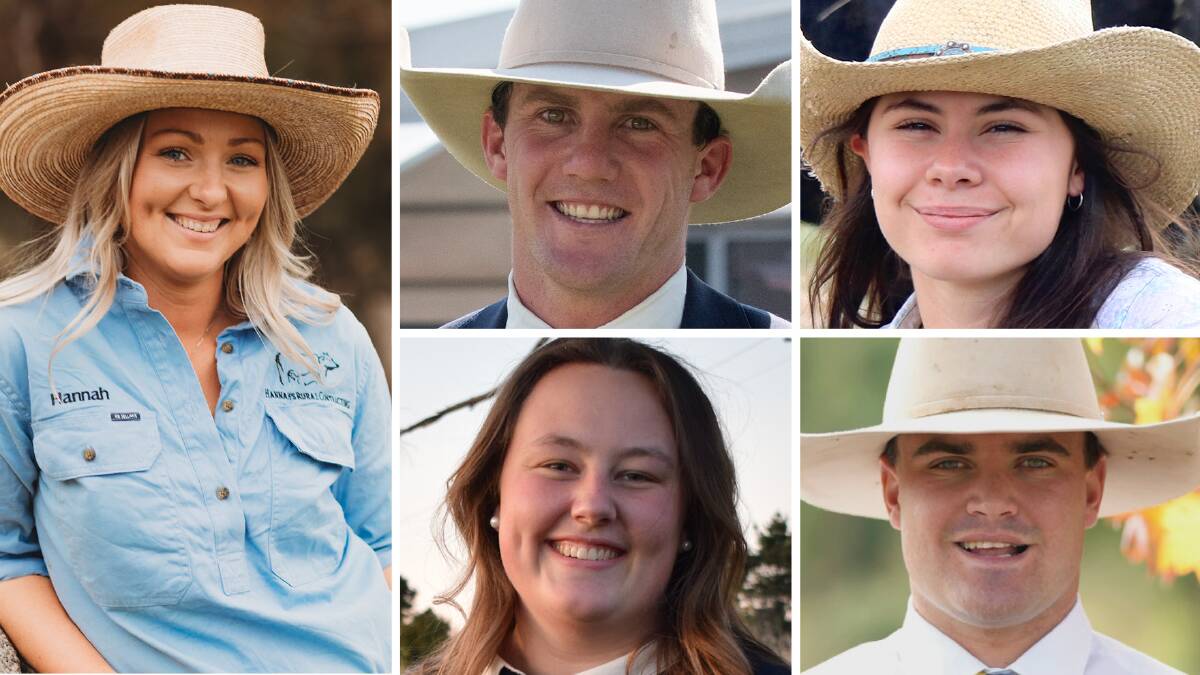 Clockwise: Hannah Bamford, Sam Parish, Bonnie Cox, Michael Purtle and Paris Capel. Picture supplied.
They range from researchers to agents, nurses to podcasters – and they’re all united with a positive view of the ag sector.
The Land spoke with 11 emerging leaders about what makes them tick, how they see the world and how their careers are emerging.
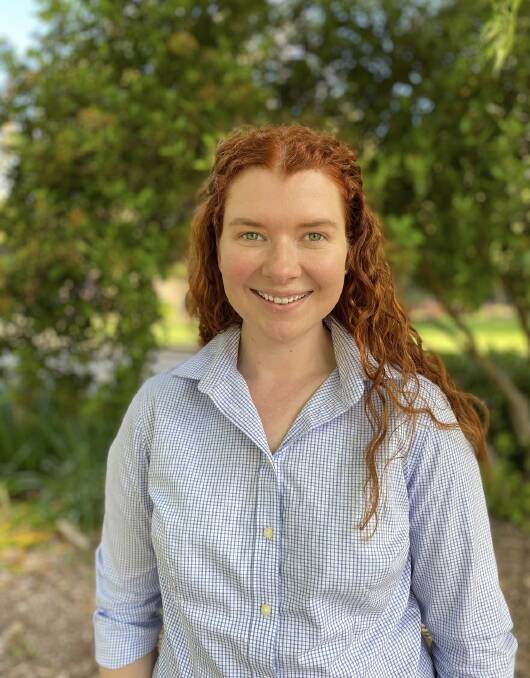 Natalie Bell, 28, Albury.
When animals are processed at abattoirs, disposal of the carcase is always at the front of mind – but Natalie says you can’t forget the ear tags.
Natalie is the founder of Hylo Ag, a start-up that aims to reduce the plastic footprint in the red meat sector by collecting ear tags and diverting them from landfill.
She is currently working with businesses to trial a collection model while designing the recycling solution
“At the end of the day, everyone’s interested in being more sustainable,” Natalie said, who in 2024 received support for her startup by AgriFutures Australia’s Future Young Leader program.
Applying a business lens to the idea of sustainable agriculture, Natalie says the option to just dispose of ear tags through recycling is not enough.
“Originally, not every household had three different coloured bins to recycle, now that’s a system that is just second nature to us,” she said.
She hopes that as her business grows, they can move towards recycling more complex electronic ear tags.
“Currently, there is no machinery to recycle mixed plastic, such as an [electronic] ear tag, because it contains plastic, metal and glass,” she said.
Natalie says more investment in Australia’s ag industries is necessary to build a strong future.
“Startups often have to prove their concept overseas and bring it back home,” she said.
“I’d like to see more trust and more support for Australian-grown innovation.
“Something that can start small can have a global impact.”
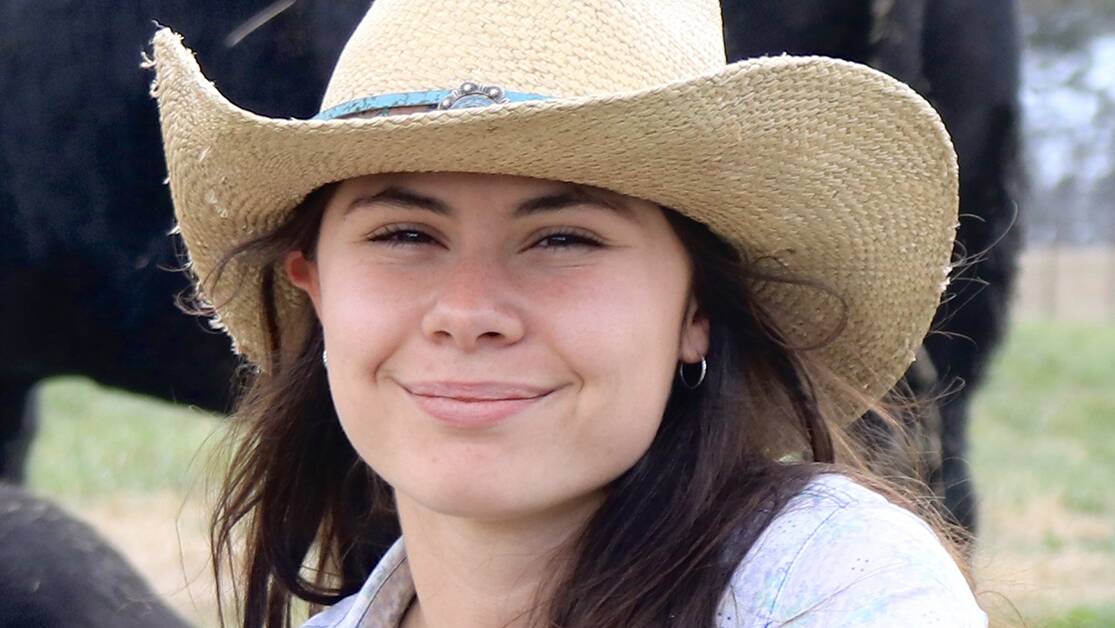
Bonnie is working hard to encourage the next generation into the beef industry.
In her second year as chair of the committee for Angus Australia, she is building on successes from the previous Youth RoundUp by “getting city kids excited” about agriculture.
“We had two or three last year come to the RoundUp who had never been around cattle before,” she said.
“We gave them a donated animal to use for the week that was broken in … which is really cool.”
Angus Youth RoundUp targets competitors aged between eight and 25 who take part in a number of competitions from cattle preparation, handling, showing and judging, with a large focus placed on educational sessions.
The show also includes a youth judging competition, where entrants have echoed her commitment to bringing everyone into agriculture.
Bonnie said this was evident recently, where there was one parader who was unsure of what to do in the competition, until another competitor stepped in to give her a helping hand.
“A couple of the girls that had been there their whole lives pulled her aside and helped her with it,” she said.
By the end of the week, she said the parader had bought two heifers and decided the beef industry was for her.
“It’s pretty indescribable when you can get those kids come through and their opinion of it changes within a couple of days, and they want to be within the industry,” Bonnie said.
“They’re our future, especially kids from the outside coming in, they bring all these new ideas.”
Bonnie says the future of agriculture will see more women in the sector and that regenerative agriculture will become more prominent in the beef industry to “create a healthy and thriving environment.”
“Twenty years ago, that was a little different, and I think 20 years from now it’ll look different again, I definitely think we’re there for them,” she said.
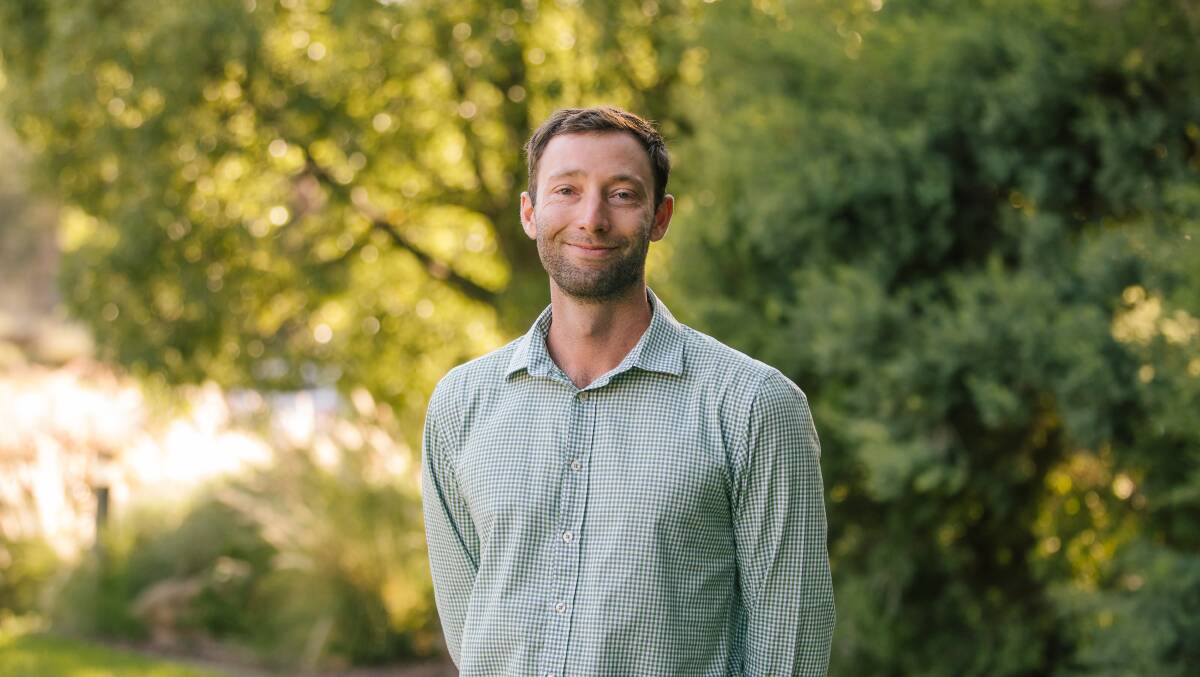 Angus Deane, 31, Canberra
Angus Deane, 31, Canberra
As a program manager at the Southern NSW Drought Resilience Adoption and Innovation Hub, Angus describes himself as being in the “business of helping.”
He sees his passions for food, the environment and people combined within agriculture, as he works to create more sustainable farming solutions.
“We’re working with the communities who are leading the charge on droughts … I see my role as enabling leadership in others, and we’re supporting them to lead the charge,” he said.
Angus feels his work is a combination of passions for people, food and the environment, and has a focus on creating a strong future for agriculture.
“We’re starting now, I believe, to get into a viewpoint that drought is a part of living and working in Australia, especially within agriculture,” he said.
“Historically, we’ve looked at drought as if another one comes as opposed to when. [So, the Future Drought Fund] is a pretty monumental shift in a policy perspective.”
The hub, funded by the Australian government through the Future Drought Fund, is focused on long-term improvements.
“It’s a slow process; there are demonstrable outcomes that we’ve achieved to support drought resilience,” he said.
“This is going to be a generational and ongoing process for Australians to work out. How do we farm in this country with a changing climate?”
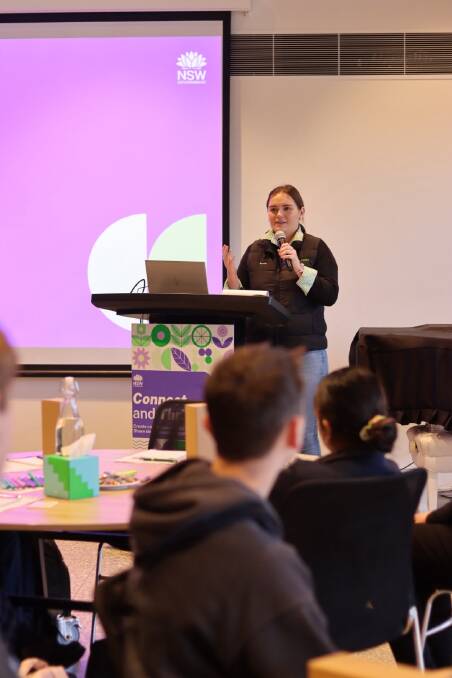
Spreading her time between overseeing her family’s agtech business Bralca and her start-up Business with Brooke, this consultant is determined to help growers.
Business with Brooke is a marketing and agribusiness consultancy as well as podcast, which helps farming operations and contractors “get their name out there”.
“At Bralca we bring all of the equipment and technology to farmers, and everything that we deliver comes from a pain point that we’ve had on farm ourselves,” she said.
“It initially started as using drones for mustering on some hilly country and then moved into autonomous mapping and using drones for, digital elevation plans and plant health checks.
“And then more recently, it’s turned into feral pest management.”
Since graduating from Charles Sturt University in 2023, Brooke’s start-up has placed her as a keynote speaker and advocate for careers in agriculture.
“The diversity of careers in ag is changing and you don’t have to be born on a farm to forge a career in agriculture,” Brooke said.
“School age groups always ask if I knew what I wanted to be when I grew up, but I had no idea,” she said.
“I followed the traditional path and headed to university to study a Bachelor of Business Management, and had a few different careers before I did what I do now.
“What you start in, is not always what you stay in, that’s the beauty of ag, if you say yes and give it a go, you can manoeuvre to your dream job.”
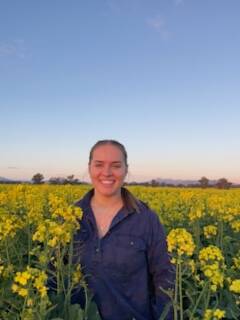 Ellie Peart, Gulargambone
Ellie Peart, 21, Gulargambone
Splitting the difference between her farming father and mother’s nursing, Ellie brings a passion for rural health to her studies and aims to bring high quality care to the regions.
“I’ve seen how important having highly qualified, skilled and passionate rural nurses can be,” the nursing student said.
“My mum is a community nurse in Garra, and I can see the impact she has had on the community in allowing them to seek care from home.”
Bucking the trend of regional students who move to the city for university and remain there, Ellie is keen to tackle every experience a rural placement can offer.
“I can appreciate the city is an amazing area and provides so many opportunities, but I prefer smaller towns,” Ellie said, who won the NSW Farmers’ Alan Chapman Memorial Scholarship in 2024.
“I put myself out there. I have a genuine passion for rural communities in rural nursing, and I think that just showed.”
As the next generation implements technology and automation into farming, Ellie is hopeful about the possibilities to reduce injuries.
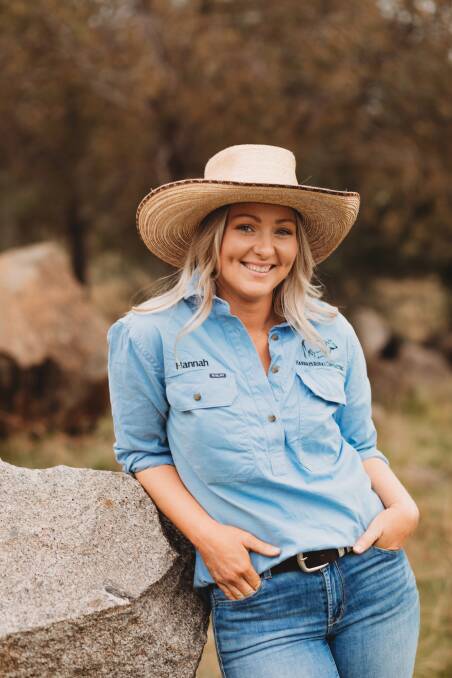 Hannah Bamford, 31, Longwood
Hannah Bamford, 31, Longwood
Having started her career as a marine tactical officer with the Australian Border Force, Hannah became involved in agriculture when a chance encounter with a vet led her to pregnancy test 500 cows.
Ag-Work Solutions, described as the White Pages for farmers, was created after Hannah fell in love with contracting.
“When I was first starting out contracting, it was really quite hard to find one place to, you know, broadcast myself or also let farmers know that I was available, apart from Facebook or letterbox drops,” she said.
“So, I thought one day on the tractor, there has to be a better way.”
The site, recently made free for three months, is a win-win for prospective employers and employees.
“A lot of people are looking for jobs. A lot of people are starting to go contracting. A lot of farmers can’t afford to pay for a full-time staff member … It’s sort of just filling the gap,”
While Ag-Work Solutions brings more contractors to the industry, Hannah has ambitions to bring interested city kids into agriculture. This was a problem that was revealed to Hannah after speaking at the Ag Discover Expo.
“Five hundred school kids came to this event, and the teachers were saying that all their career advisors in the schools themselves were advocating for kids not to go down agriculture, a lot of them wouldn’t bring the kids to the expo because they just didn’t believe in it,” she said.
To combat this misconception, Hannah has sold her house to buy a property and try to create a practical course to educate teachers, advisers and students.
“I want to have a couple of paddocks of cropping and get kids … and see [cropping and harvesting] from start to finish”
“Come and actually do some training to ask questions and make mistakes or get those tips, to come into the industry feeling confident.”
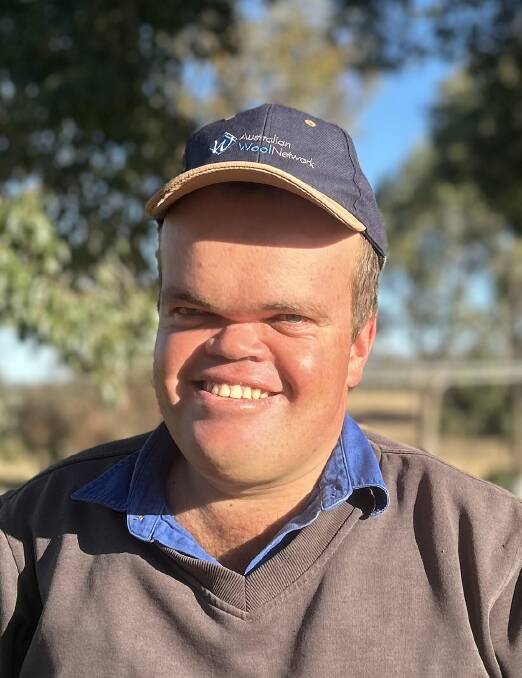 James Gilmore, 26, Bukkulla
James Gilmore, 26, Bukkulla
The 2025 Rural Achiever finalist is an advocate and leader of community shows, while continually improving his Poll Dorset, Border Leicester and Santa Gertrudis stud.
He is also an advocate for accessibility in agriculture and “people having a crack”.
“You never know where it’s going to take you,” he said.
James said one of the major problems in ag was a lack of education to those outside the industry.
“People can be easily led, they see something on a Facebook page and think that’s what we’re doing all the time,” he said.
“Educating city folk on what we’re doing is to our best interest, the animal’s best interest, [and] the climate’s best interest.”
Away from the farm, James is involved in community shows, having competed at the Sydney Royal, winning the prestigious Young Judge’s competition in 2018.
And at this year’s Royal, he was a Rural Achiever finalist.
“We finished the Sydney Royal Easter Show and we … got paper invites to little regional shows all over NSW,” he said.
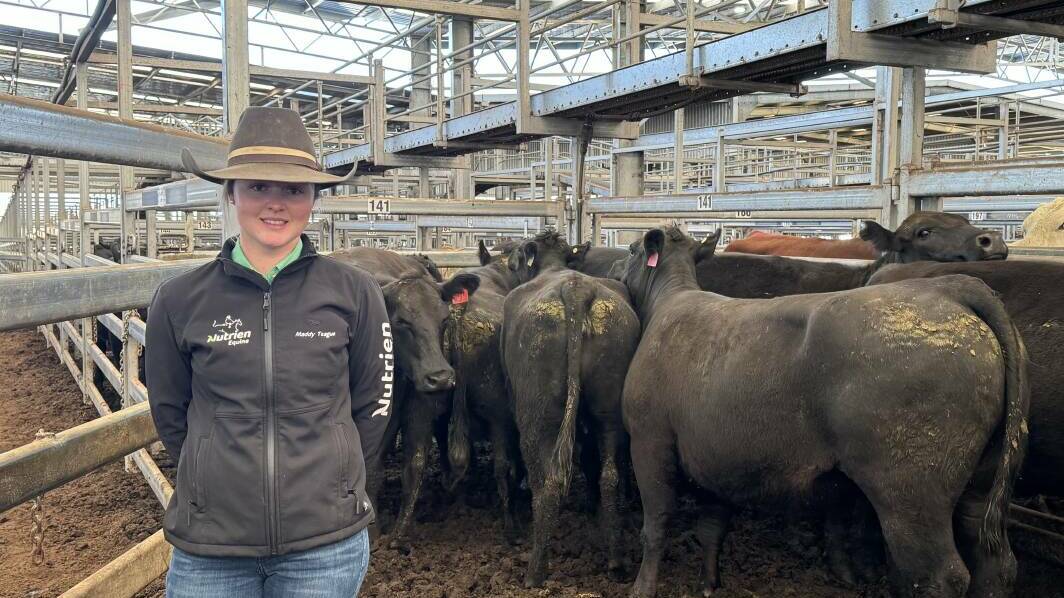 Maddy Teague, 24, Merriwa
Maddy Teague, 24, Merriwa
Hailing from Merriwa and working in Scone, Maddy has been a passionate agent with Nutrien for nearly three years.
As the first female auctioneer at the Nutrien Classic, Maddy did not see herself as a role model for young women until it happened.
“Since I have done it, I do think it possibly has helped other women looking at getting into this industry,” she said.
“When I started, I know I had comments from other people asking why I was starting this career because there’s no women in it.”
Before this, Maddy had worked at the sale and sold horses, but this sale marked a massive professional milestone.
“Auctioneering was a completely different level, it was very daunting, but I had the support from my fellow team members,” she said.
Despite having experiences like the Nutrien Classic under her belt, the stock and station agent’s goals all concern improving her skills.
“I would like to get more understanding … I want to understand properties better, I want to understand the cattle market better,” she said.
“It’s always changing, but there’s always something to learn.”
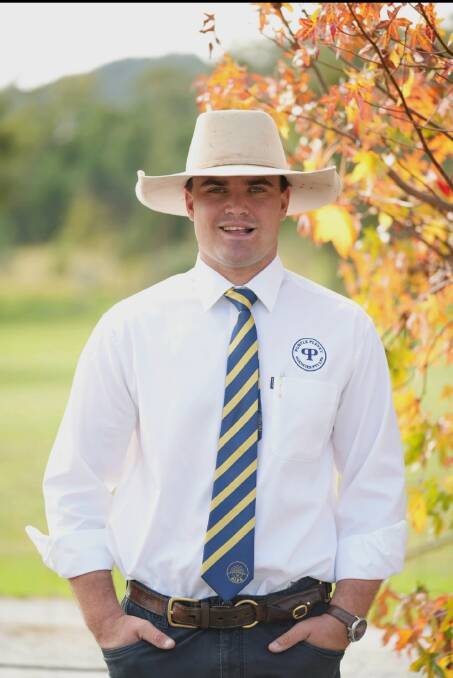 Michael Purtle, 22, Manilla
Michael Purtle, 22, Manilla
Manilla’s born-and-bred stock and station agent strives to be at the forefront of the changing industry.
Following in his father’s footsteps, Michael hopes to expand and improve himself and the family business.
“I take great pride in the agency game and I’m wanting to be a part of that group of agents that’s highly well-regarded for their ethics and their work ability,” he said.
“I’m very proud to be a part of a family business and I hope that my contribution to our family business going into the future is a good one.”
As a young agent, Michael is grateful for the opportunities provided to him.
“If you can try and be the best person you can be, always honest and transparent, and marketing livestock for your clients, that’s the main thing,” he said.
Earlier this year, Michael claimed the NSW title of young auctioneer at the Sydney Royal, which has earned him the right to compete at the national level next year.
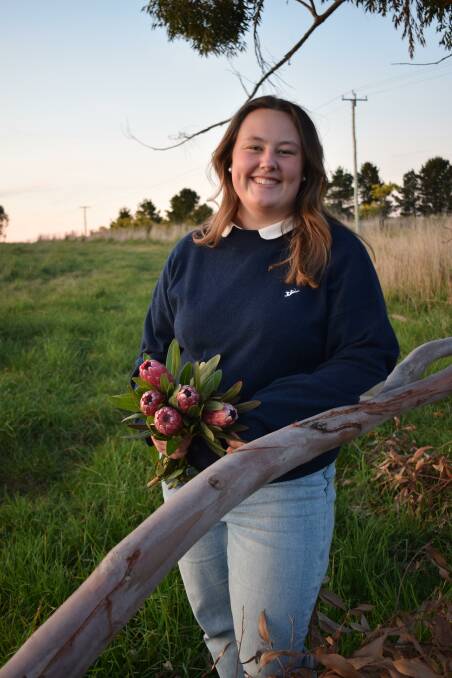
Paris’ role is as a natural capital adviser at Western Local Land Services, but she is already creating big shoes for her successor to fill.
In this position, Paris provides independent advice to landholders on natural capital within their properties.
“Carbon and biodiversity markets, or sustainability premiums on any sort of commodities they have,” she said.
“I feel like it changes weekly, so it’s a very exciting space to be in.”
A major goal is to make frameworks for sustainable agriculture work in the Western Division.
A typical day for her might look like collecting information and negotiating policy.
“It’s nice being that two-way communicator between the academics and policymakers and landholders out here on the ground,” she said.
Looking towards the future, Paris sees challenges of greenhouse gas accounting, as legislation encroaches on farm businesses.
“It starts to hit lots of agricultural businesses with over $25 million in assets, and we’re not prepared yet to know what data to gather,” she said.
“You only get one chance to do that right.”
Regardless, she believes strongly that sustainability will continue to play a big role in agriculture.
“I really see this market as rewarding producers with those opportunities, and at the same time continuing to grow the industry,” she said.
“People are looking for food that’s sustainably produced in our production systems, so we have to make sure we’re managing everything on the farm in the right way.”
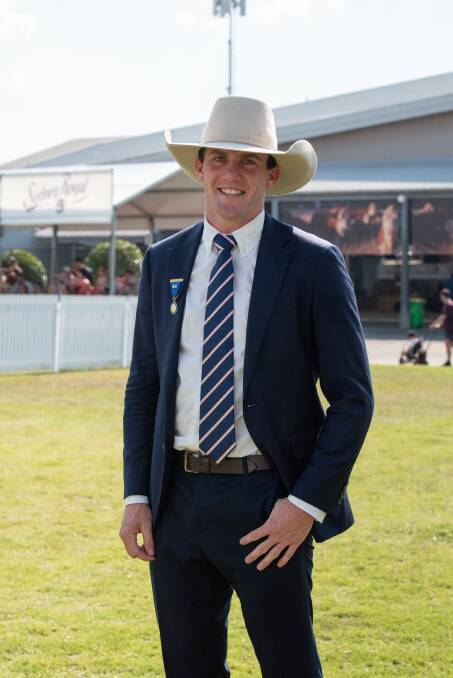
This podcast host, a Sydney Royal judge, and a Wise Repro employee advocates that even in the modern day, agriculture can be accessible without a university degree.
“Over the last couple of years, I’ve realised that sometimes it’s not the end of the world to chop and change jobs or find your feet somewhere,” he said.
Completing a gap year with Wise Repro after finishing school, Sam then worked with KMWL livestock agents and Cattle Australia, before landing back with Wise Repro after the business went “ballistic.”
“I think that a lot of people take for granted what’s in front of them. So you genuinely just need to take little steps and it’ll turn into a big step eventually,” Sam said, who is CA’s membership and sponsorship officer.
Sam was also approached by Breeder Exchange’s chief executive officer Jack Laurie to host the Breeder Exchange podcast – an exercise in marketing cattle in the digital era.
“A lot of breeders across the world need the information to make the right breeding decisions. It was a matter of finding the platform to do it,” he said.
Behind his impressive portfolio is a philosophy he wishes to share, saying “yes” to every opportunity.
“It comes down to just working for it, and sometimes it is luck. I’ve been pretty lucky in the respect of people giving me opportunities at such a young age,” he said.
“The biggest thing for me that I want other people to say is, your biggest limit is yourself … but you can’t just blame ‘I haven’t got a degree’.”
 Daily Headlines
Today’s top stories curated by our news team.
Loading…
 Breaking news alert
Be the first to know when news breaks.
Loading…
 Rural Property News
Our twice weekly wrap of the latest in rural property sales.
Loading…
 Red Meat News
Our twice weekly wrap of the big news in the red meat sector.
Loading…
 Dairy News
Industry news from Australia’s dairy sector.
Loading…
 Good Fruit & Vegetables
The week’s top stories curated by our news team.
Loading…