
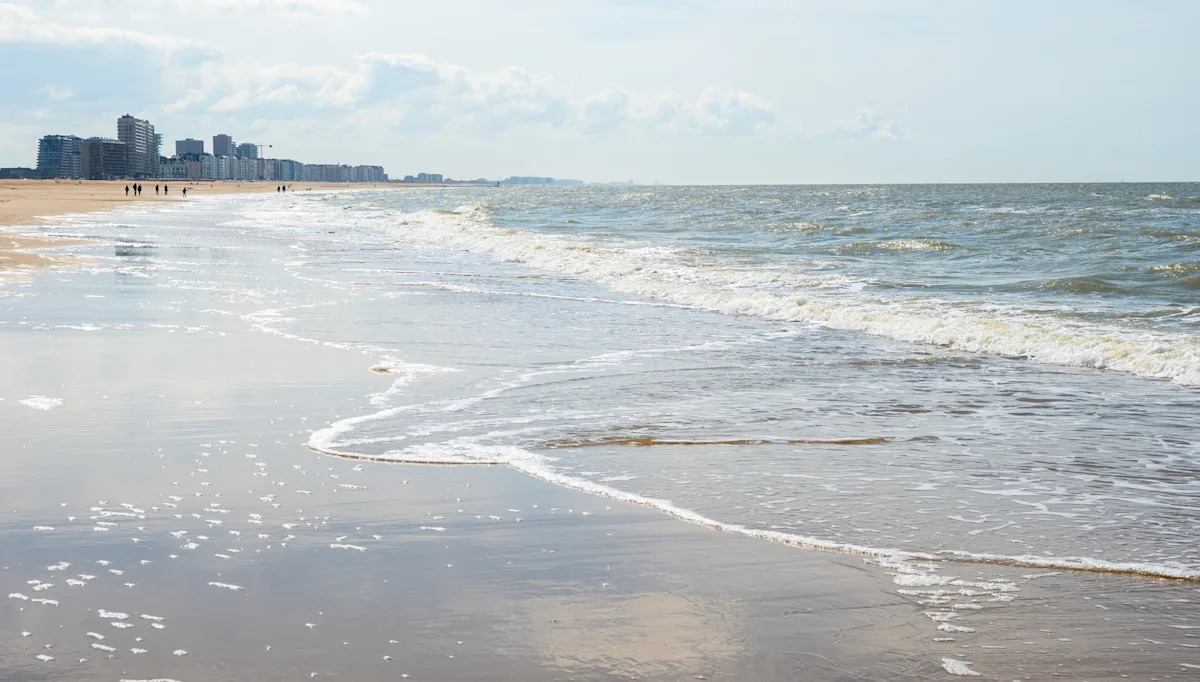
Beachgoers in Ostend, Belgium, had a rare sight of a young hooded seal. The species, native to the Arctic, wandered thousands of miles away from its icy habitat, and experts see its arrival as a sign that Earth’s warming is impacting the Arctic’s wildlife.
What happened?
As reported by Belga News Agency, someone spotted and photographed the hooded seal on a Belgian beach, marking the fifth time this seal species has appeared on the coast, with the last sighting in 2003.
Wildlife photographer Vincent Legrand shared a Facebook post about the animal, clarifying that the seal was a juvenile and that it’s common for pups to spend time alone after birth.
Jan Haelters from the Institute of Natural Sciences spoke on how far away the seal was from home, telling VRT NWS that the seal “lives around Greenland and in northern Canada,” per the Belga News Agency.
The seal appeared healthy, but its presence in this area is unusual for a species that relies on pack ice.
Why is this seal’s journey from the Arctic concerning?
Scientists can’t prove that this seal fled because of the planet overheating. According to Haelters, however, they see the seal as “an ambassador from the Far North, coming to tell us that its habitat is under threat.”
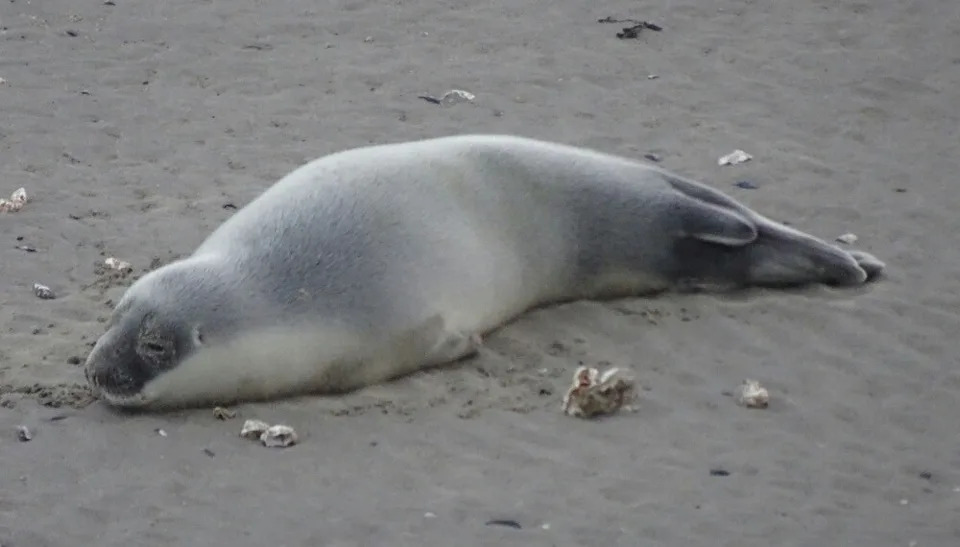
Photo Credit: Institute of Natural Sciences
The Arctic is warming at an alarming rate, causing significant ice loss. Hooded seals and other Arctic animals depend on sea ice for breeding, hunting, and resting.
Habitat loss forces them to travel further for food and suitable environments, where unfamiliar territory can also push them into dangerous waters.
Disruption of natural patterns affects both environmental ecosystems and human communities. Migration changes, for example, can prevent mating and increase predation. Pollution also threatens the food chain and water supply. Healthy ecosystems are vital for the planet’s well-being.
Animals outside their habitat show that even distant environmental changes have a global impact. An overheating planet can disrupt all living things in an instant.
What’s being done about climate-related displacement?
Protecting wildlife, both Arctic and otherwise, and their habitats requires reducing planet-warming pollution. The main culprit, per the United Nations, is human activities, including the burning of dirty fuels such as oil, coal, and gas.
A global transition to cleaner energy sources and sustainable practices is the solution. International efforts by the National Oceanic and Atmospheric Administration and others are also monitoring Arctic changes and implementing conservation strategies.
Local communities can boost the safety of rare animals by minimizing human interference. Maintaining a safe distance and contacting wildlife authorities is the next step. Professionals will assess the animal’s condition and potential relocation.
Join our free newsletter for good news and useful tips, and don’t miss this cool list of easy ways to help yourself while helping the planet.