
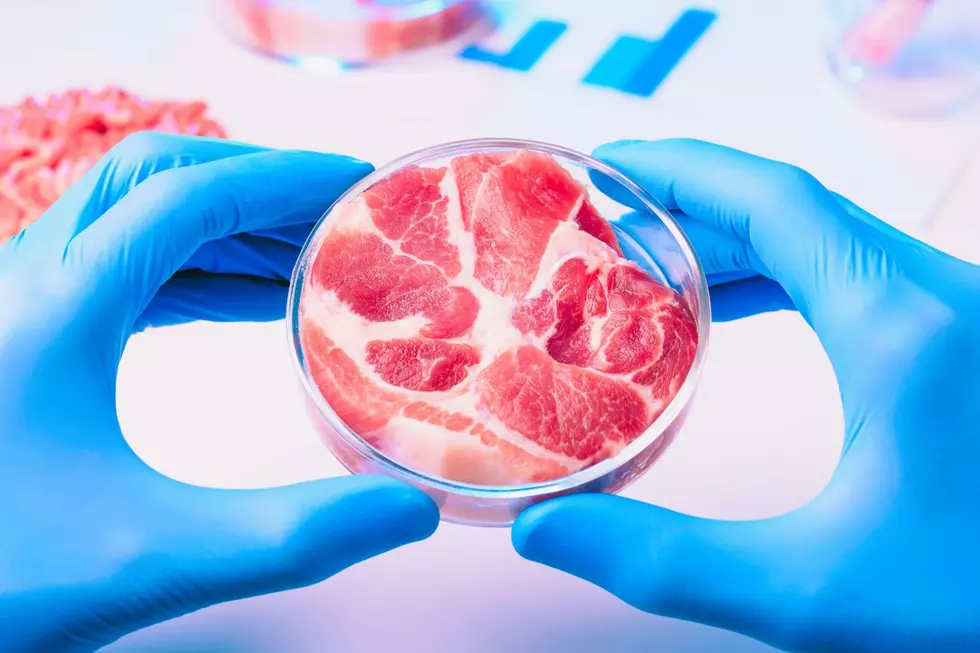
“Cellular agriculture has the potential to be more sustainable in areas such as water recycling and renewable energy use, if pharmaceutical-grade components are replaced with food- or feed-grade alternatives for cell proliferation and differentiation,” said Dr. Eirini Theodosiou, a senior lecturer in chemical and biochemical engineering at Aston University.
Follow the latest news and policy debates on sustainable agriculture, biomedicine, and other ‘disruptive’ innovations. Subscribe to our newsletter.
Despite promising results, current LCAs [life cycle assessments] depend heavily on assumptions due to the lack of commercial-scale production. These assumptions can drastically impact outcomes.
“A recent study claimed cultivated meat has 25 times the carbon footprint of beef,5” said Tuomisto. “But the study assumed all ingredients needed to meet pharmaceutical-grade sterility – an unnecessary and unrealistic assumption for food-grade production that inflated the energy consumption and, consequently, the carbon footprint.”
…
“The relative sustainability of cultivated meat ultimately depends on how we model these systems and what we compare them to,” concluded Tuomisto.