
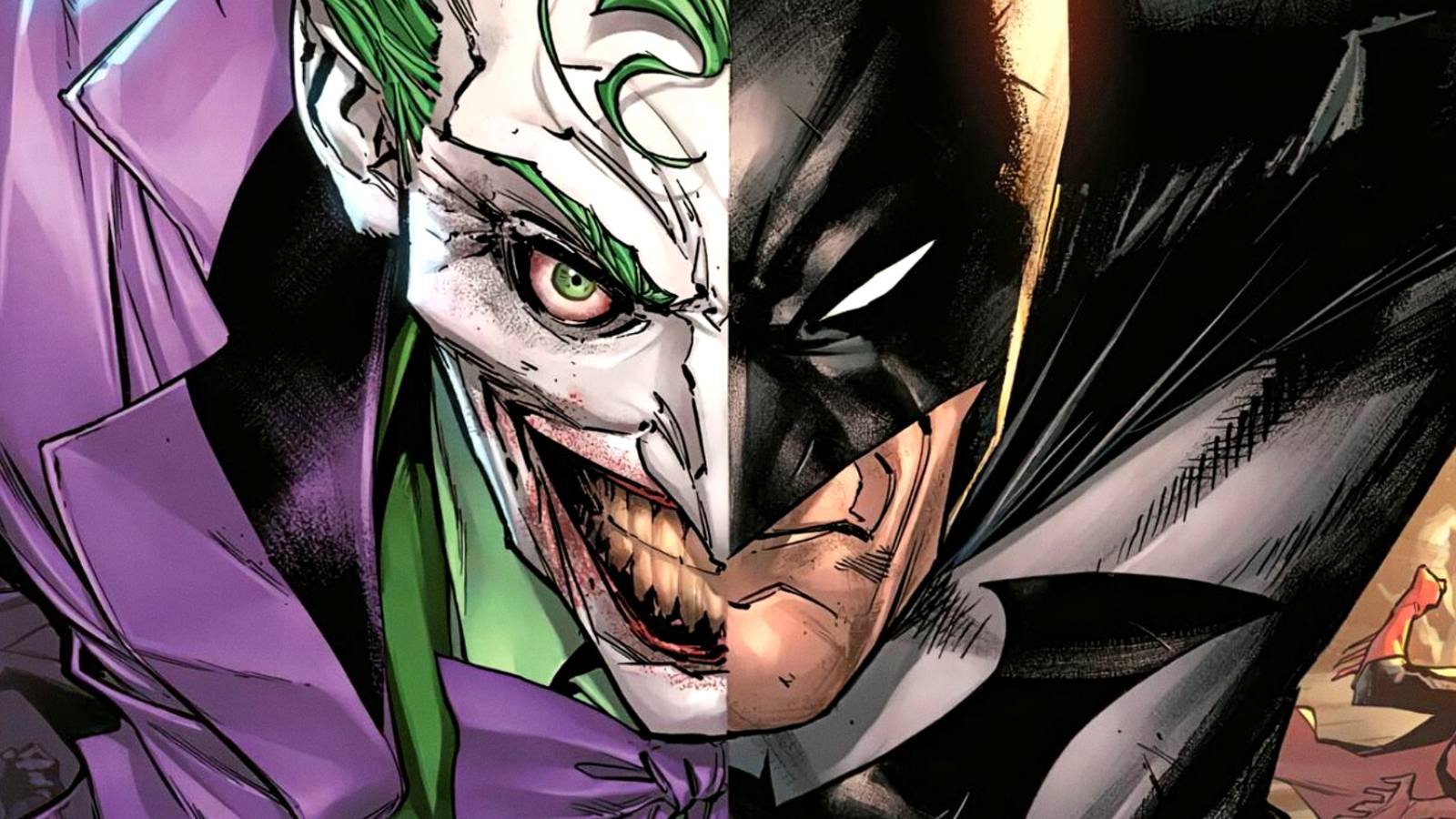
DC has given Batman one of the most legendary rogue galleries in all the comic book medium, but some of the Dark Knight’s villains have evolved more than others. Batman’s comic book villains are just as essential to the Gotham mythos as Bruce Wayne himself. Figures like the Joker, the Riddler, and countless others have ensured that Batman’s stories remain endlessly compelling across every medium.
Villains like the Joker, Penguin, and even Scarecrow have stayed largely faithful to their earliest incarnations. Meanwhile, others have undergone dramatic reinventions. Over the decades, certain Batman foes have diverged from their creators’ original ideas, with new looks, motivations, and powers comic book readers of old would struggle to recognize.
Calendar Man
Detective Comics #259
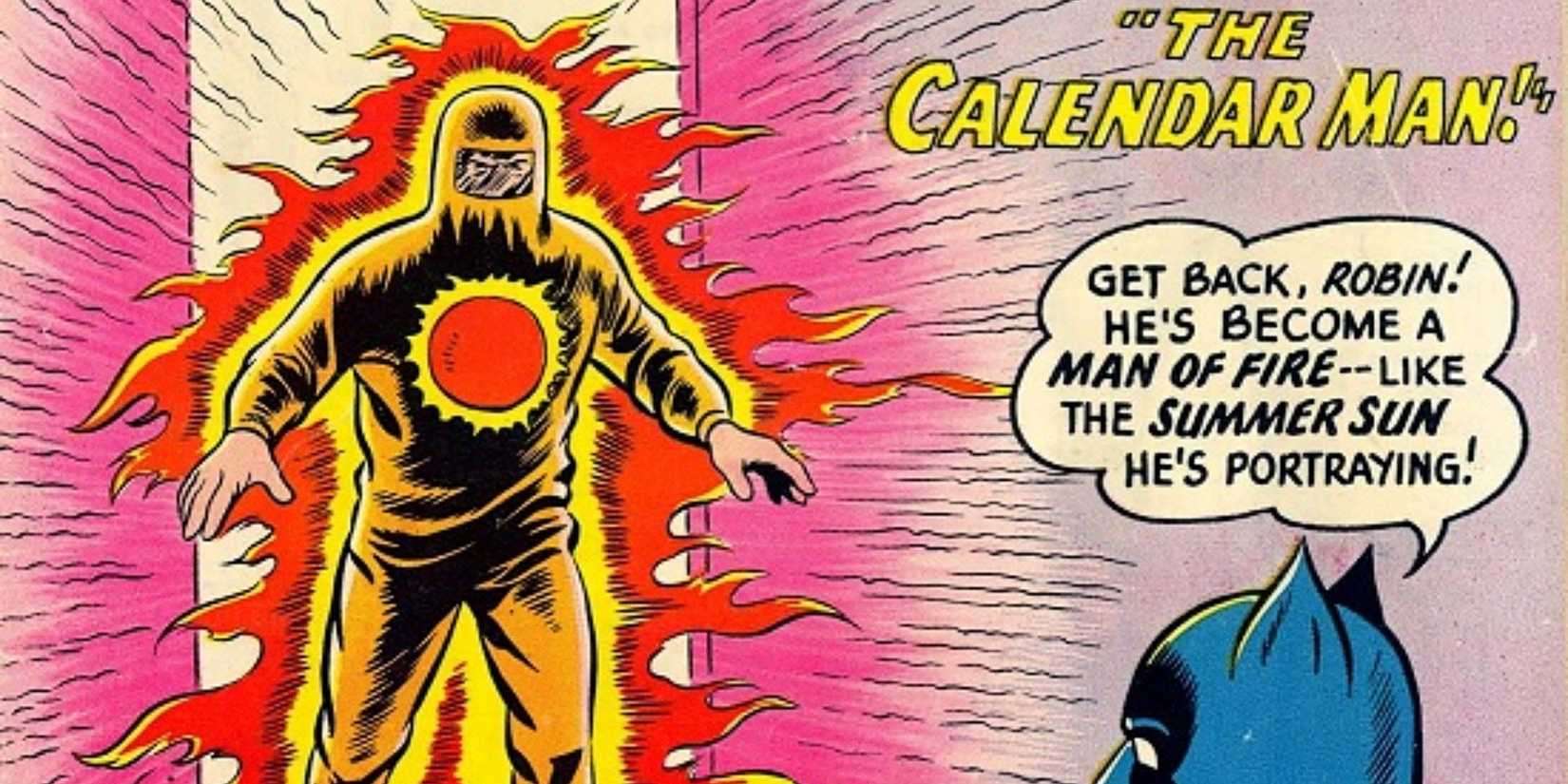
The Calendar Man debuts in Detective Comics #259
Calendar Man made his first appearance in 1958’s Detective Comics #259 as a campy, gimmick-based villain whose crimes revolved around seasons and dates. He sported an outlandish, calendar-themed costume and often relied on colorful tricks that were more of a novelty act than a genuine threat. Calendar Man’s early stories emphasized his rotating costumes rather than any real menace.
Calendar Man changed drastically with Batman: The Long Halloween, which reinvented Julian Day into a cold-blooded serial killer. Dark Victory further emphasized Calendar Man’s manipulative presence, and several other small appearances followed suit. More recently, Rebirth added a supernatural twist, as Calendar Man now ages and dies with the seasons, only to be reborn annually.
Clayface
Detective Comics #40
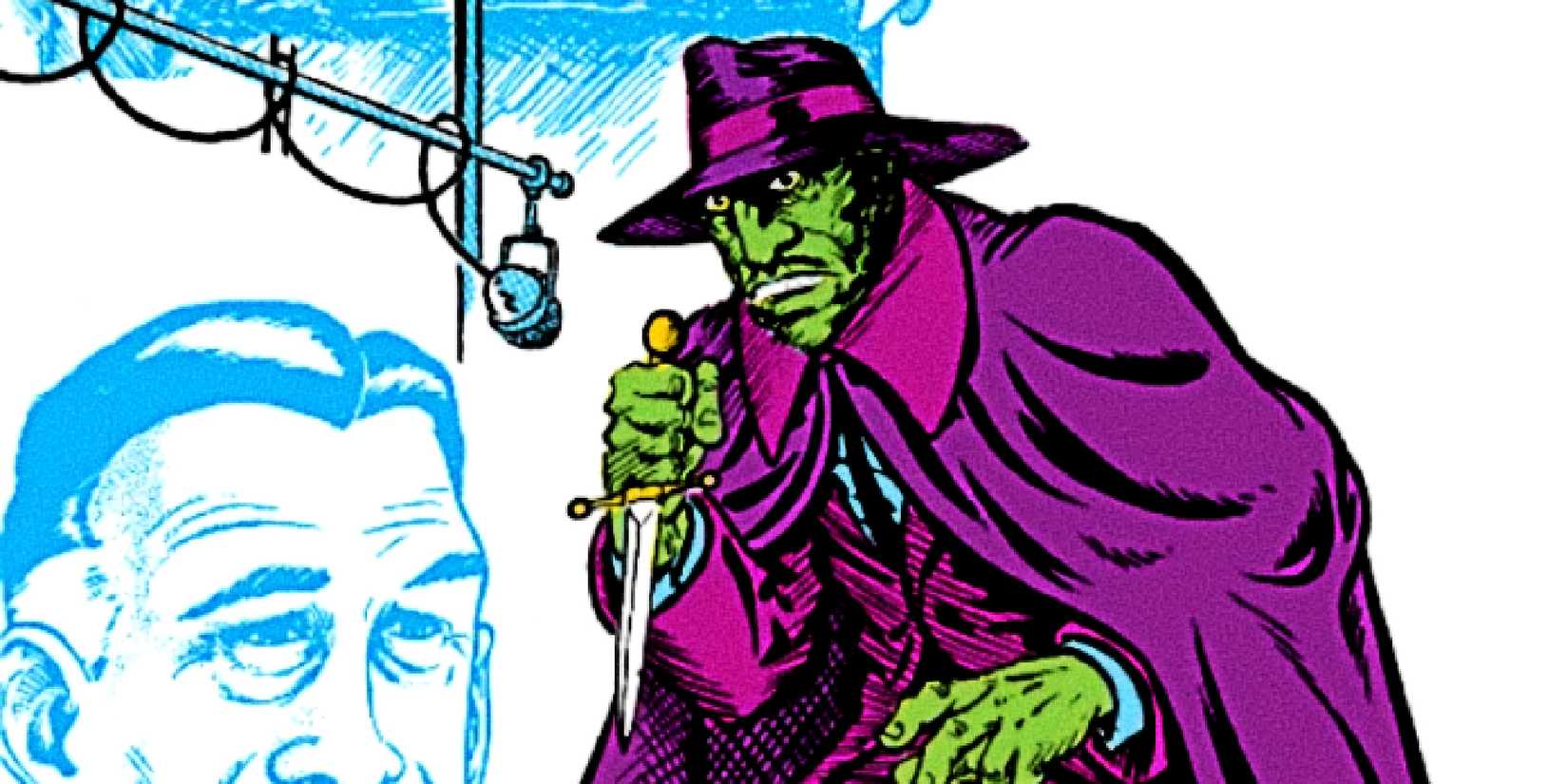
Basil Karlo in his original Clayface appearance in DC Comics
Clayface first appeared in 1940’s Detective Comics #40 as the washed-up horror star Basil Karlo, who wore the mask of his movie monster role, Clayface, and began murdering a movie’s cast in the same gruesome ways their characters died on screen. Unlike later versions, Karlo had no powers, but simply a vendetta.
Since then, Clayface has become one of Batman’s most reimagined villains, with multiple characters taking up the mantle, such as Matt Hagen and Preston Payne. These iterations introduced the now-iconic shapeshifting powers that turn Clayface into a malleable being capable of reshaping his body into weapons, disguises, or a hulking creature. Clayface always stayed in the horror genre, but went from a Michael Myers-type villain into a The Thing-type monster.
Harley Quinn
The Batman Adventures #12
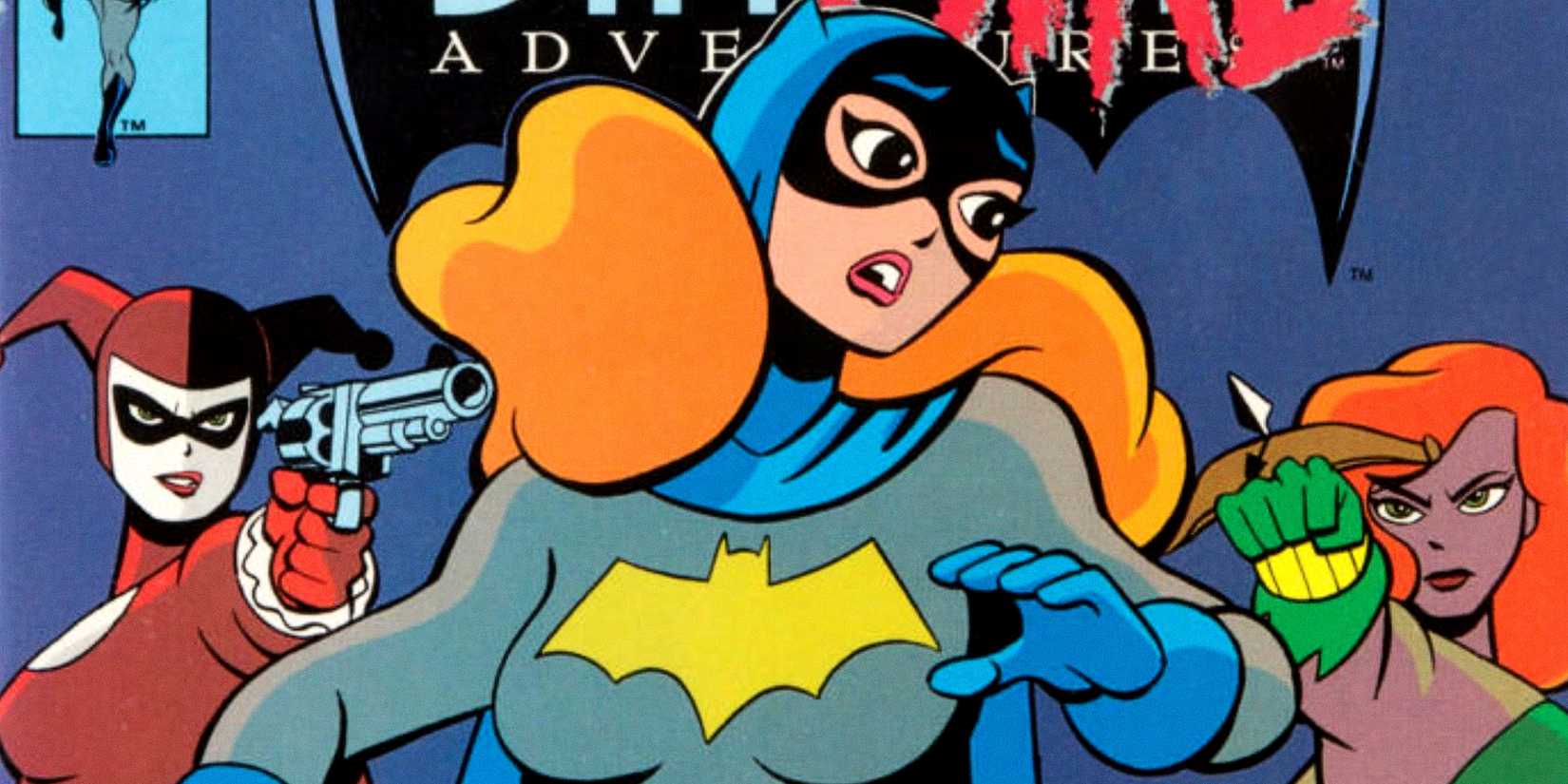
Harley Quinn makes her DC Comics debut in The Batgirl Adventures #12
Harley Quinn famously debuted in Batman: The Animated Series before transitioning to the comics in 1993’s Batman Adventures #12. Initially, Harley was defined by her toxic relationship with the Joker and served as his gleefully chaotic sidekick in her black-and-red harlequin costume. Early portrayals emphasized her acrobatics and criminal antics, which made her a fan-favorite from the get-go.
Over the past three decades, Harley has distanced herself from the Joker to become an independent anti-hero with a strong moral complexity and a beloved relationship with Poison Ivy. Harley’s style has evolved as well, trading her classic harlequin suit for a diverse, punk-inspired wardrobe across comics, movies, and games. This modern version of Harley Quinn has become a pop culture icon in live-action, animation, video games, and comic books themselves.
Mr. Freeze
Batman #121
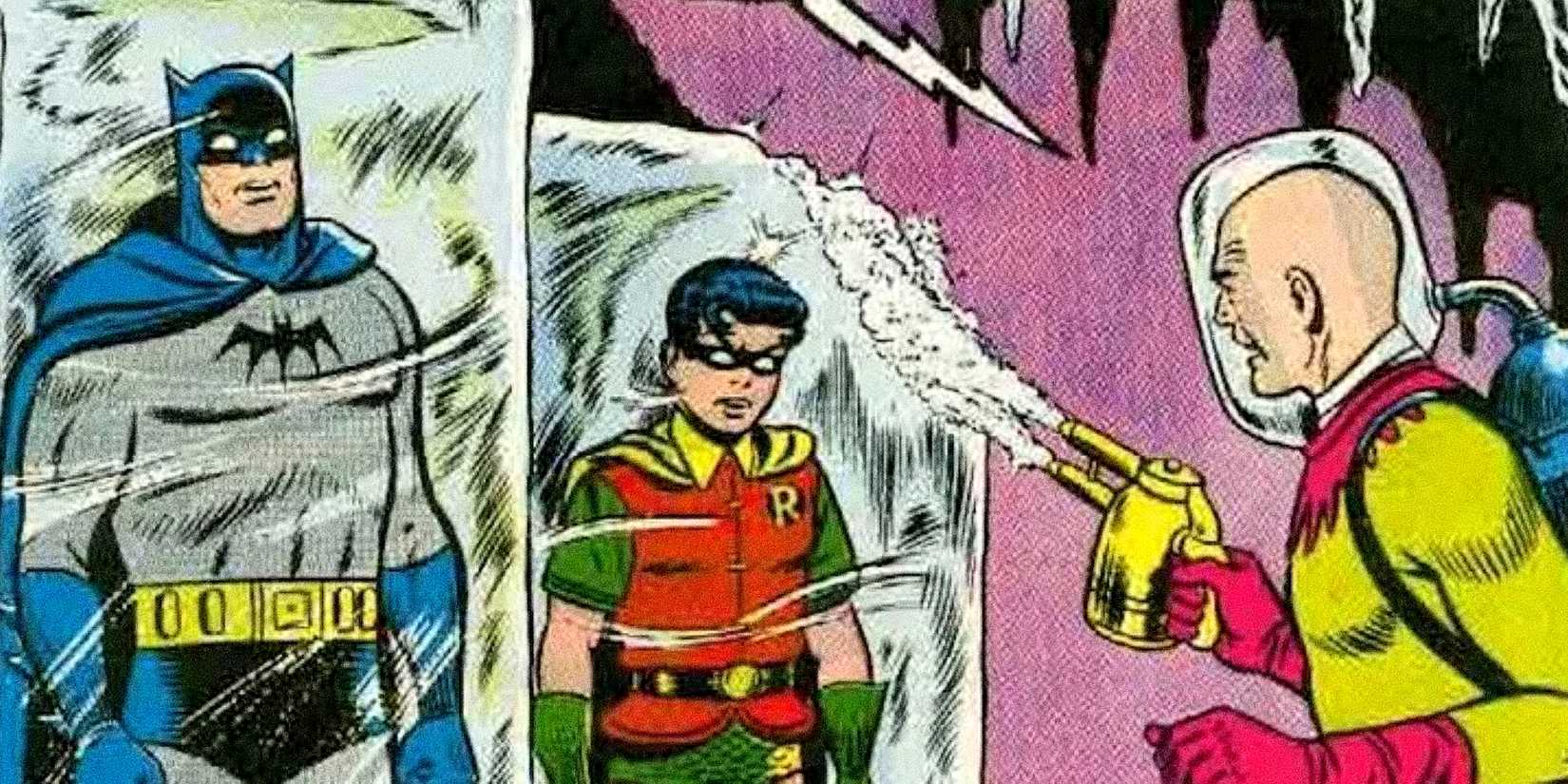
Mister Freeze makes his DC Comics debut in Batman #121
DC introduced Mr. Freeze as “Mr. Zero” in 1959’s Batman #121, where he was a typical Silver Age gimmick villain whose crimes revolved around cold-themed capers. Mr. Zero’s motivations were pretty straightforward; he performed heists and fought Batman and Robin when they intervened. Likewise, his costume was a lemon-colored jumpsuit with a red collar and a simple glass helmet.
Curiosly, Victor Fries’ two biggest changes were the result of TV shows. First, the 1966 Batman series gave him the name Mr. Freeze, and Batman: The Animated Series’ “Heart of Ice” episode famously made him a tragic character with his desperate attempts to save his dying wife. Physically, Mr. Freeze is usually depicted wearing high-tech blue armor with glowing red goggles.
Red Hood
Detective Comics #168
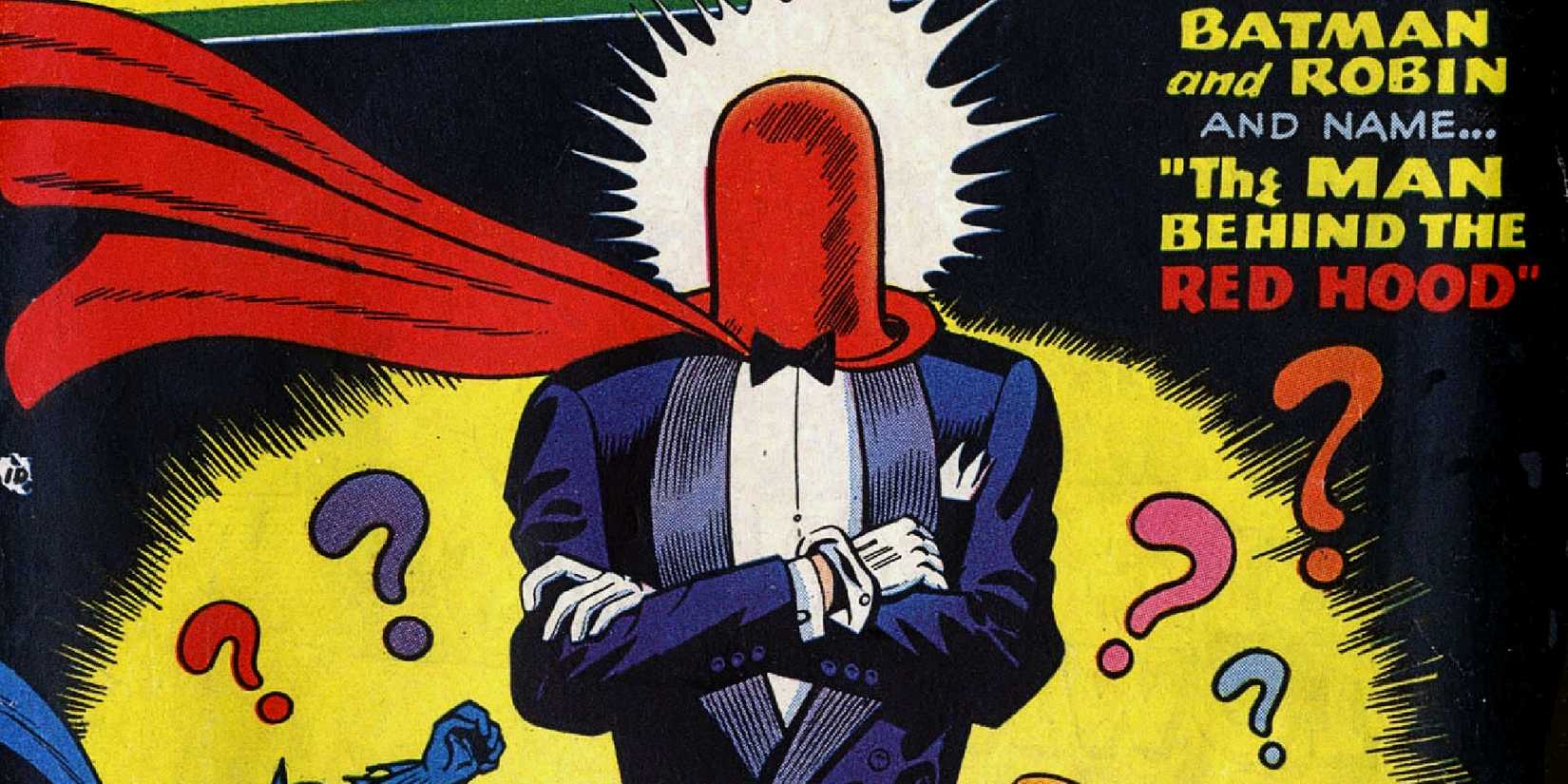
Red Hood makes his DC Comics debut in Detective Comics #168
Red Hood first appeared in 1951’s Detective Comics #168 as a mysterious masked criminal who served primarily as a plot device to explain the Joker’s origin. This Red Hood was less a character and more a transitional persona, with the iconic red dome-shaped helmet leading directly into the Joker’s fall into a chemical vat. Because the Joker’s backstory has been retold many times, the original Red Hood identity remains ambiguous in modern canon.
Red Hood was reinvented decades later when Jason Todd was resurrected after his infamous death in A Death in the Family. Jason eventually returns as the new Red Hood, this time as a brutal vigilante who challenges Batman’s methods. Over time, however, Jason has evolved into an anti-hero and a member of the Bat-Family. Today, Red Hood is synonymous with Jason Todd’s gray morals.
Catwoman
Batman #1
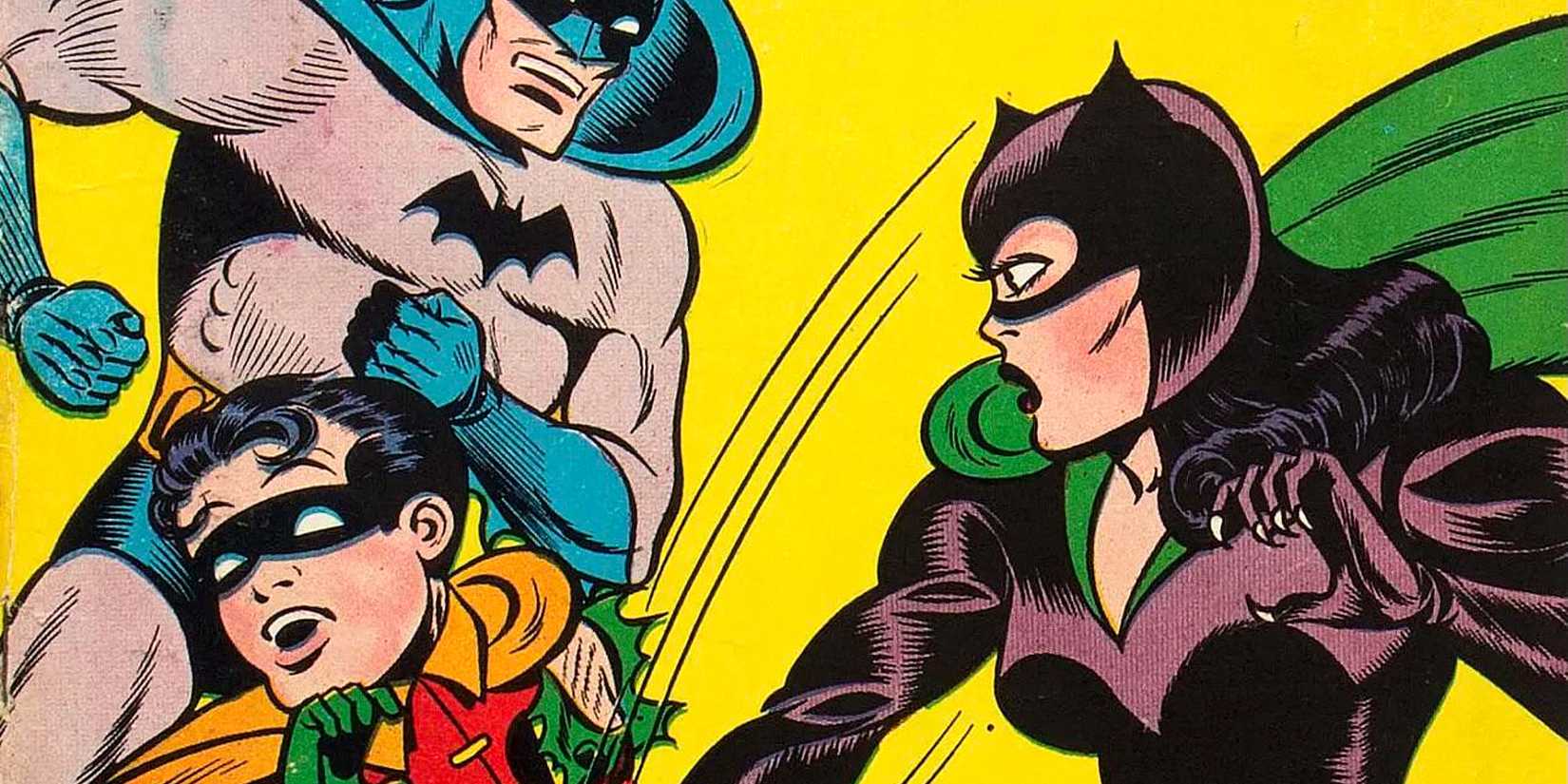
Selina Kyle aka Catwoman attacks Robin in Batman #1
Catwoman first appeared in 1940’s Batman #1 as simply “The Cat,” a classic femme fatale inspired by the glamour of Hollywood actresses of the era. The Cat’s original look was a far cry from the sleek feline imagery associated with her today. Instead of her iconic black jumpsuit, she wore a cape, a skirt, and flowing hair, with no cat motif beyond her nickname.
After fading from the spotlight for years, Catwoman was solidified as an A-list comic book character by the 1960s Batman TV show. From there, Catwoman’s image evolved into the leather-clad antihero fans recognize today. DC has put a lot of focus on Catwoman’s development, defined her backstory through financial struggle, and made her a recurring Batman friend and foe, which has informed portrayals such as Michelle Pfeiffer’s and Zoë Kravitz’s.
Two-Face
Detective Comics #66
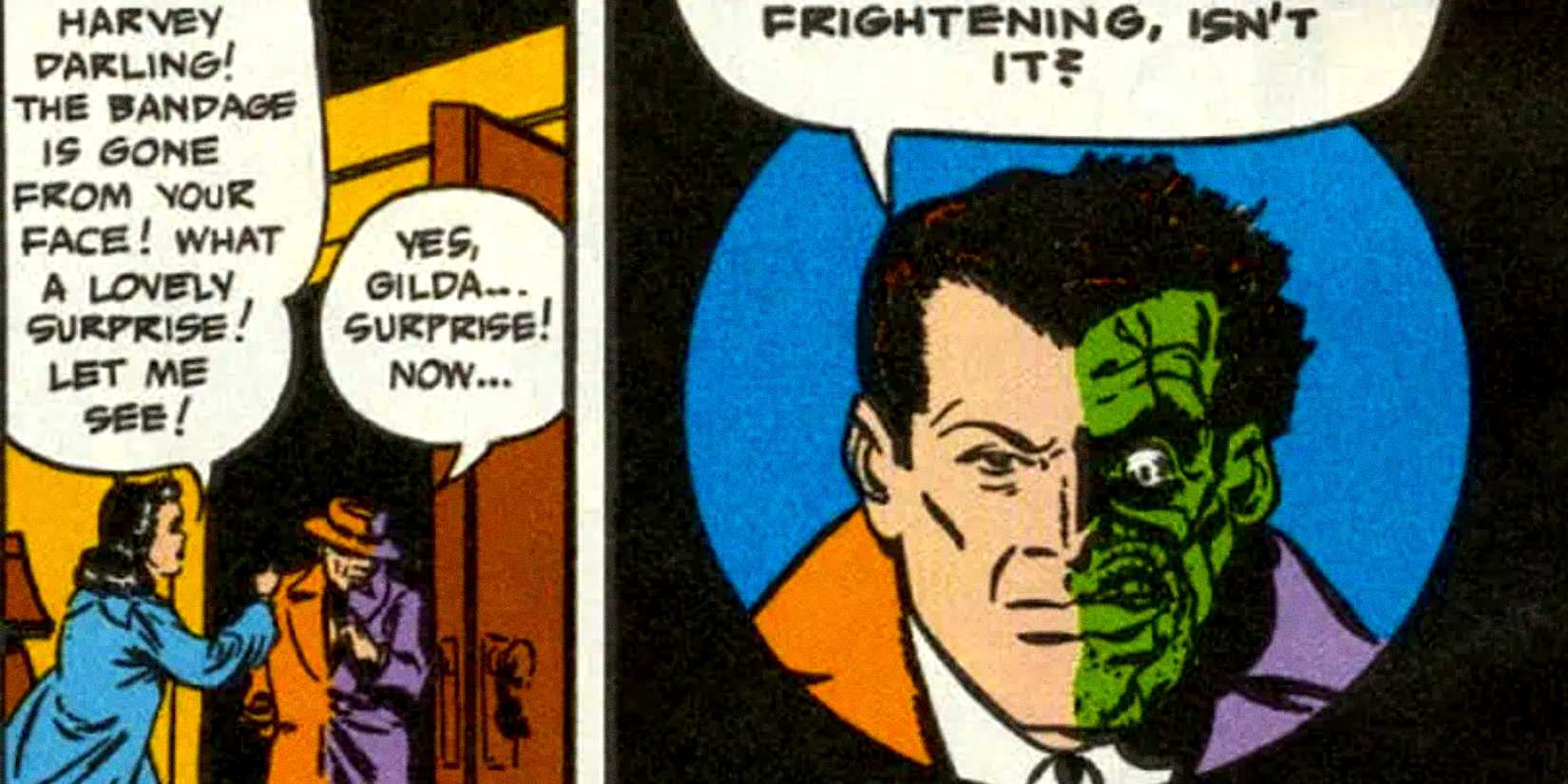
Harvey Dent aka Two-Face makes his DC Comics debut in Detective Comics #66
Two-Face debuted in 1942’s Detective Comics #66, originally named Harvey “Apollo” Kent before DC quickly renamed him Harvey Dent. Two-Face’s first incarnation leaned heavily into the Dr. Jekyll and Mr. Hyde archetype, but with much more emphasis on his violent persona. Early stories were straightforward morality plays, and his conflict with Batman was short-lived. Dent was surgically cured of his scars just two issues later.
Harvey Dent then disappeared for nearly two decades, missing out on being adapted to live-action for the 1960s Batman TV show. However, Two-Face was successfully updated in the 1970s as a more serious threat, and he has remained a mainstay in Batman’s rogues gallery ever since. Stories like Batman: The Long Halloween, Christopher Nolan’s The Dark Knight, and the Arkham games have cemented Two-Face as a tragic figure far removed from his pulpy beginnings.
Created By
Bob Kane, Bill Finger
Alias
Bruce Wayne
Alliance
Justice League, Outsiders, Batman Family
Race
Human
Franchise
D.C.