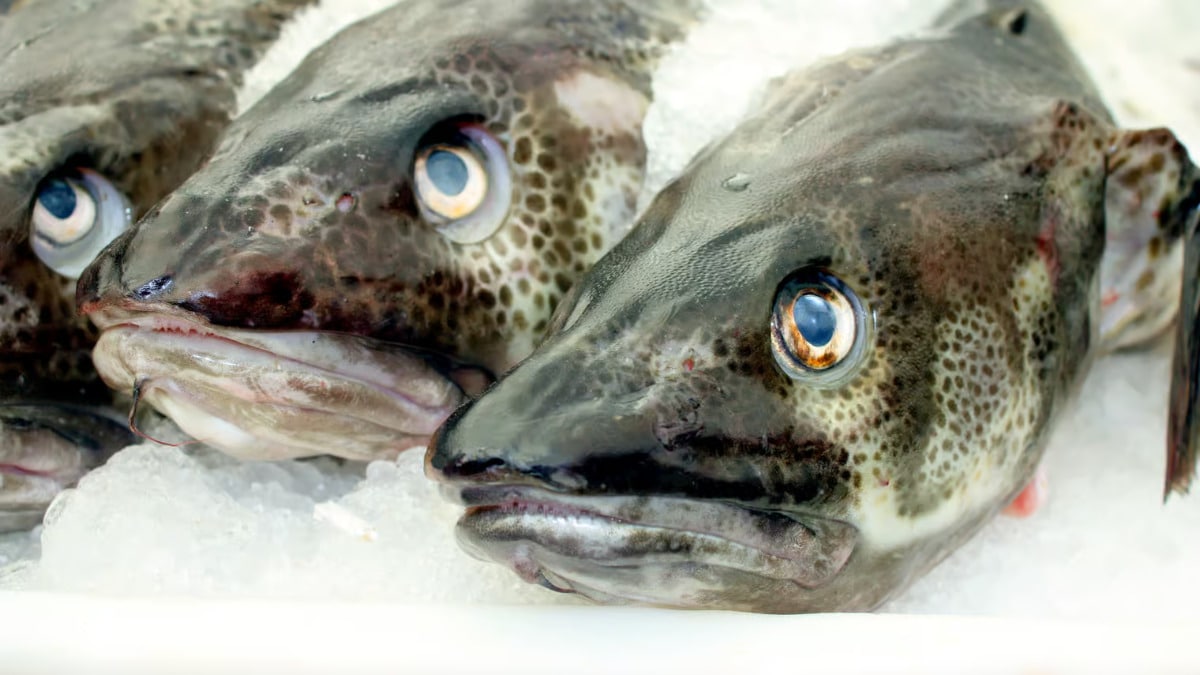
Atlantic cod—once a symbol of hearty European fare—has been under relentless fishing pressure for centuries. Now, scientists reveal that this overexploitation is not just depleting populations, but actually rewriting the cod’s genome, driving dramatic changes in their size and life history.
A loss of nearly 50% in size
In the Bornholm Basin of the Baltic Sea, researchers examined cod caught between 1996 and 2019. Tiny ear stones (otoliths) mapped each fish’s annual growth, while DNA analysis pinpointed genetic shifts. Astonishingly, the average adult cod has shrunk from over 40 cm to around 20 cm in just two decades—a staggering loss driven entirely by human fishing.
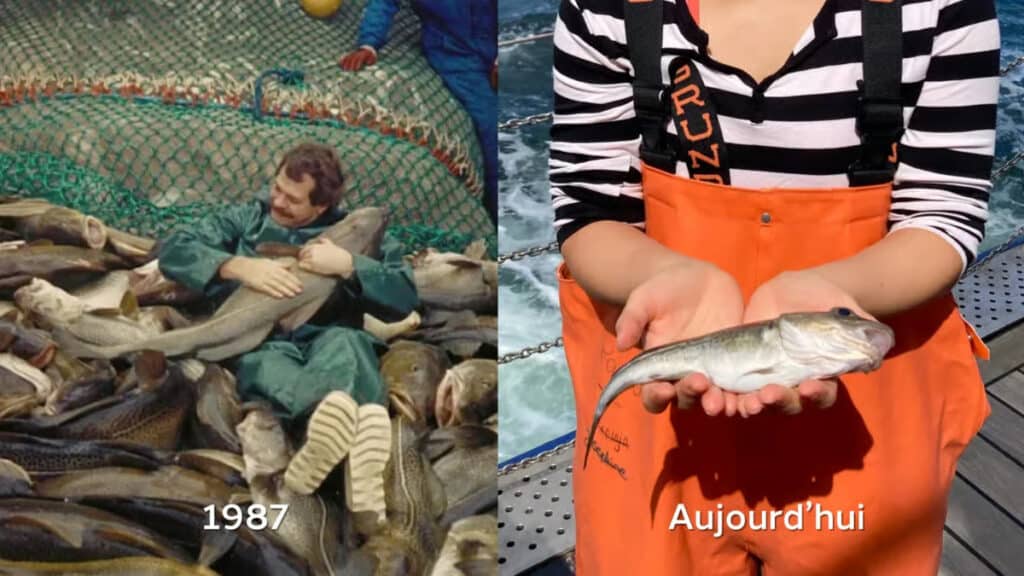
A cod could weigh up to 40 kilos before stocks became overexploited. © Jesper Bay, Danish Institute of Fisheries and Marine Research, Thorsten Reusch, GEOMAR
An unprecedented human-driven evolution
Industrial fleets have long targeted the largest cod for maximum yield. Over time, that selective harvesting left only smaller, early-maturing fish to reproduce. Today, genes favoring slower growth and faster maturation dominate the population. “It’s fascinating scientifically but troubling ecologically,” warns Professor Thorsten Reusch.
Despite a fishing moratorium in the Baltic since 2019, these genetic changes have become entrenched. Recovery won’t be quick: reversing such evolution could take decades or more. As cod stocks struggle, this case stands as a stark reminder of the lasting impact of human choices—and the long road ahead for true recovery.

Angèle Ingrand
Science journalist
Fascinated by nature and zoology since childhood, this journalist chose to share her passion through journalism after completing her biology studies. Now in her third year at the journalism school in Cannes, she works at Futura, where she is dedicated to making science accessible and raising public awareness of environmental issues.