
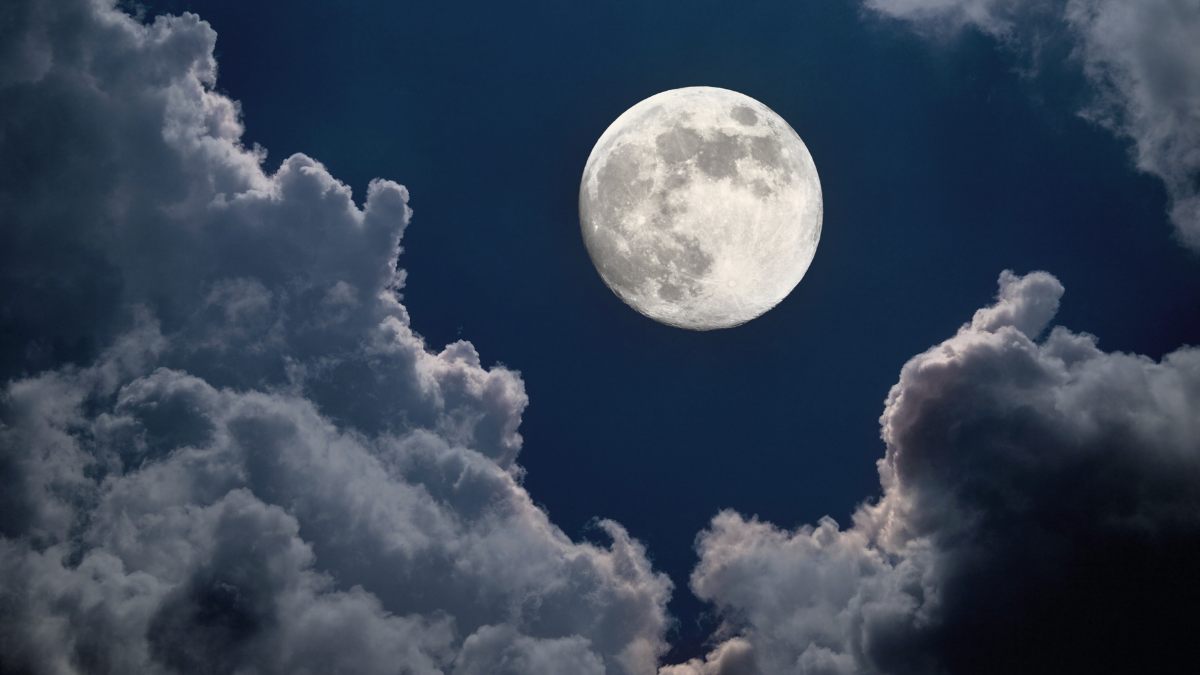
Moonrise Timing Today: Observing the Moon’s rise is a captivating daily event, yet its timing is not universal across the United States. Due to the Earth’s rotation and the Moon’s orbital path, the exact moment of moonrise shifts significantly from east to west. On the US East Coast, the Moon will appear earlier, while observers on the West Coast will experience a much later moonrise, often by over an hour.
Today’s moon phase is Waning Gibbous, meaning more than half of the Moon is illuminated, and the illuminated portion is shrinking as it heads towards the Last Quarter. For Friday, October 10, 2025, the Moon is generally in the zodiac sign of Taurus, moving into Gemini later in the day, depending on the time zone.
Check out: Draconids 2025 Meteor Shower: Best Times to Watch in the U.S. Tonight!
Tentative Moonrise Timings in the U.S.
The moonrise time can vary greatly even within a single state. The most accurate data is always specific to your exact location (latitude/longitude), but here are approximate timings for major US cities across different time zones based on reports from, U.S. Naval Observatory (USNO) or the National Weather Service (NWS). The moonrise timings today are:
City
State
Time Zone
Approximate Moonrise Time
New York City
New York
EDT
8:30 PM
Washington D.C.
D.C.
EDT
8:45 PM
Atlanta
Georgia
EDT
9:38 PM
Miami
Florida
EDT
9:45 PM
Chicago
Illinois
CDT
8:44 PM
Houston
Texas
CDT
9:00 PM
Dallas
Texas
CDT
9:33 PM
Denver
Colorado
MDT
8:47 PM
Albuquerque
New Mexico
MDT
9:05 PM
Los Angeles
California
PDT
8:58 PM
San Francisco
California
PDT
9:02 PM
Seattle
Washington
PDT
9:08 PM
Anchorage
Alaska
AKDT
9:30 PM
Honolulu
Hawaii
HST
9:00 PM (Approx.)
Today’s Moon Phase
On October 10, 2025, the Moon is in the Waning Gibbous phase. This phase occurs just after the Full Moon and before the Last Quarter. The Moon rises well after sunset, is visible for most of the night, and sets after sunrise. Its illumination is high, currently around 85.4% on this date.
Check out: Missed the Draconid Meteor Shower 2025? Check the Orionids Peak Date and Time