
For years as a photographer, I found myself in rooms where women’s voices were fewer, yet never less powerful: on set, where light and presence met; in meetings, where vision was debated into being; and behind the scenes of productions, where the smallest decisions determined how a story would unfold. I knew being there was not simply luck, though luck played its part. It was also the result of persistence, vision and hard work. That combination became my foundation, building a sense of confidence and purpose.
At the same time, I began to notice how many women in my field were wrestling with similar questions of self-worth, not because they lacked talent, but because they had been taught to wait for permission that was never needed.
As a former competitive ice hockey player, I learned what it meant to fight for space and recognition. On the ice, I showed up with resilience and heart, even in moments of doubt. Those lessons became my anchor in a male-dominated industry, reminding me that I didn’t need to shrink to fit in. If I could trust my vision, stand my ground, and create more space for other women to do the same, what would their stories look like?
That curiosity led me onto the streets of New York City, where over three sessions this year in Harlem, the Lower East Side and Brooklyn, I asked strangers — both men and women — to stop and share a moment of honesty in front of the camera. I then asked them to answer three questions:
• If your heart could speak, what would it say right now?
• What part of yourself do you wish was seen more clearly?
• If you could reveal one hidden piece of yourself, what would it be?
Their responses were tender, surprising, brave, and most of all, authentic. In those unguarded moments, I discovered a kind of strength that is too often overlooked — the strength to show up as yourself, the strength to be vulnerable. To me, that’s power in its purest form.
It was through this process that I began to notice a striking difference: women often hesitated to participate more than men before saying yes. That reticence spoke volumes. It reflected how deeply many of us are taught to manage how we are seen, to curate before we appear, to second-guess before stepping forward. And yet, every woman who did consent turned that hesitation into glowing presence.
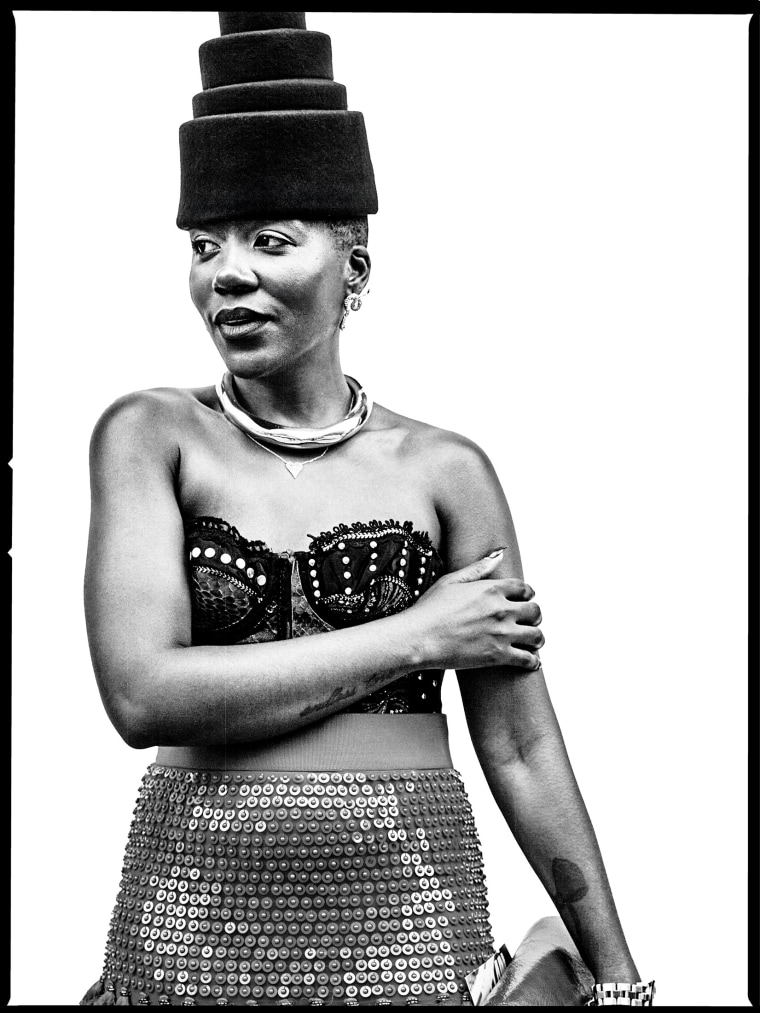 Rainer photographed Shaquita Garcia, a Cleveland-native who relocated to New York City, and became the founder-designer behind AART NYC.Courtesy Romy Rainer
One of my subjects in the Lower East Side, Shaquita Garcia, affirmed her presence beautifully when she posted: “Walking the streets of New York as my authentic self is one thing, but for a fellow artist to see that in me is the prize.” When asked what part of herself she wished others saw more clearly, she responded simply: “My heart.”
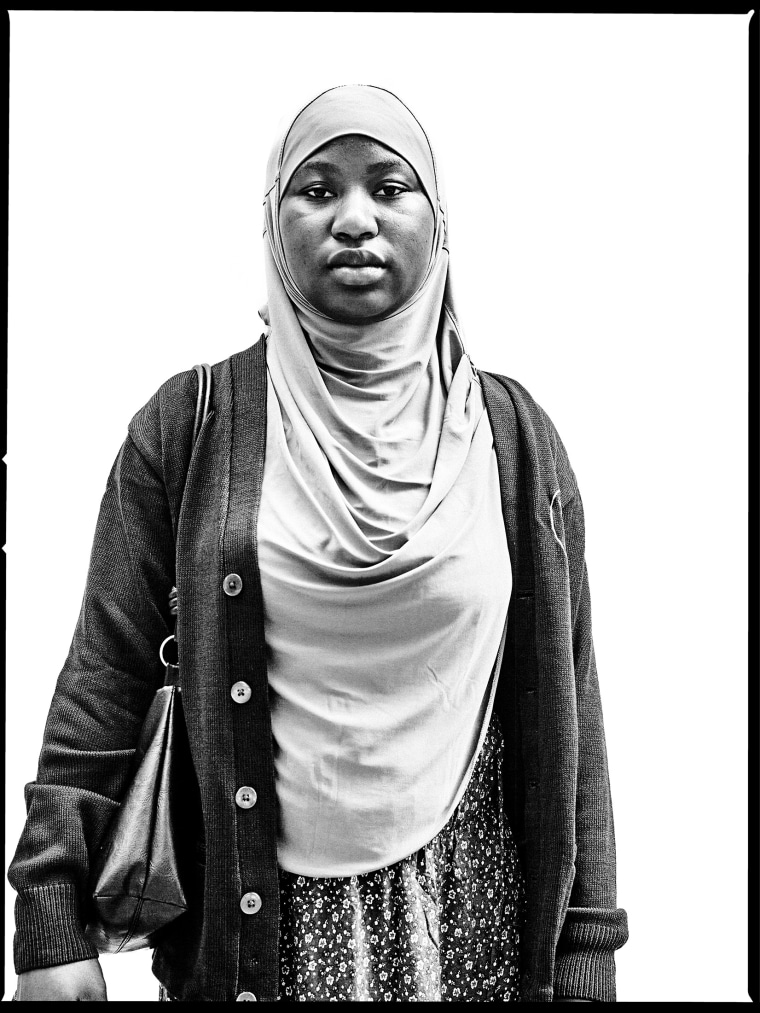 Rainer captured the portrait of woman in a headscarf (who declined to be named), but consented to participate in her photo series, “What If Vulnerability was Strength?”Courtesy Romy Rainer
Another subject, a woman wearing a hijab, was deeply hesitant at first, telling me, “I don’t know if I can do this.”
She kept her distance, unsure whether to step forward, but eventually allowed herself to be photographed. In the end, her portrait exuded raw strength, despite her subtle guard — a reminder of how vulnerability and self-protection often live side by side. That tension became part of the image itself: a quiet testament to the courage it takes to say yes, even when every instinct says to hold back.
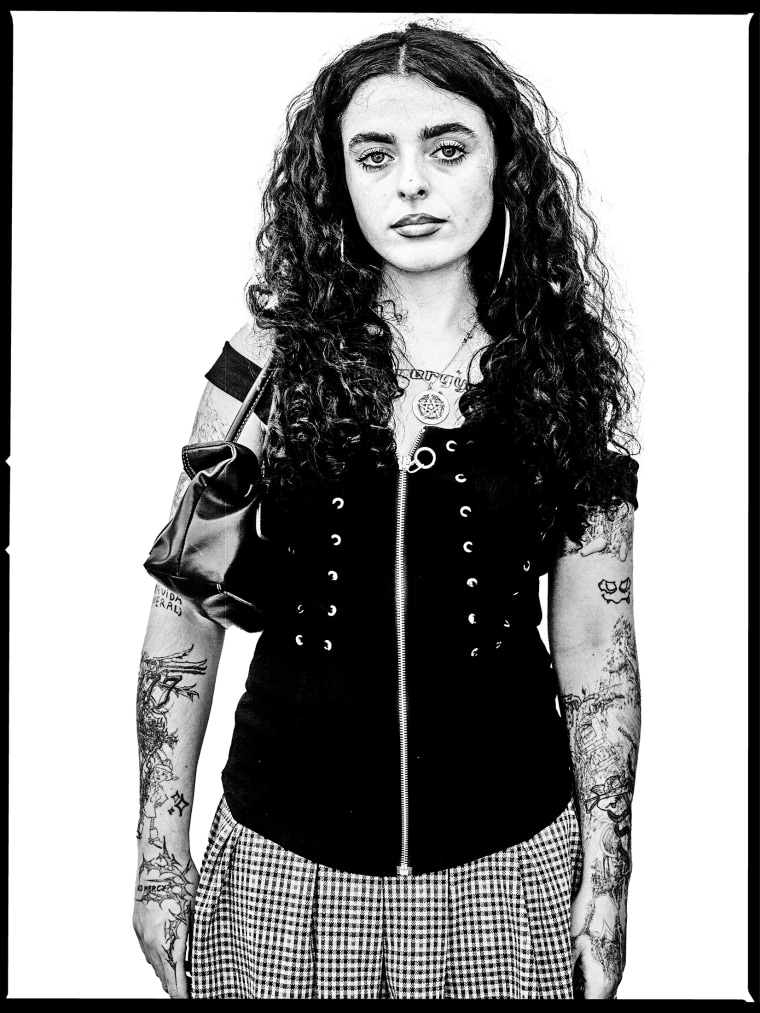 Rainer photographed a woman named Neiny, who reflected on the experience as a source of empowerment.Courtesy Romy Rainer
Only a small number of women said yes without hesitation, but those who did left me deeply inspired. Even when insecurities surfaced — an arm folded across the chest, a nervous laugh, a whisper of “I don’t know if I am ready for this” — the act of stepping forward signaled a victory. As another subject, Neiny, told me afterward: “I don’t always feel confident, but maybe confidence is simply saying yes to being visible.”
Through the course of the project, each woman’s portrait emerged as a small act of reclamation, proof that value doesn’t come from perfection, but from presence.
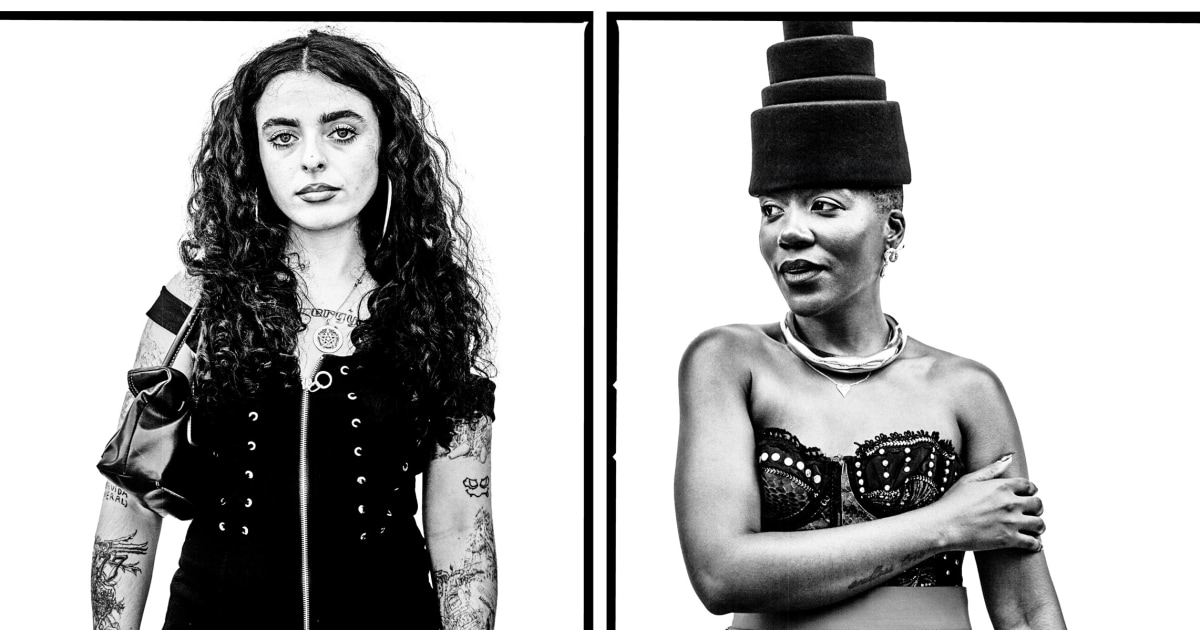
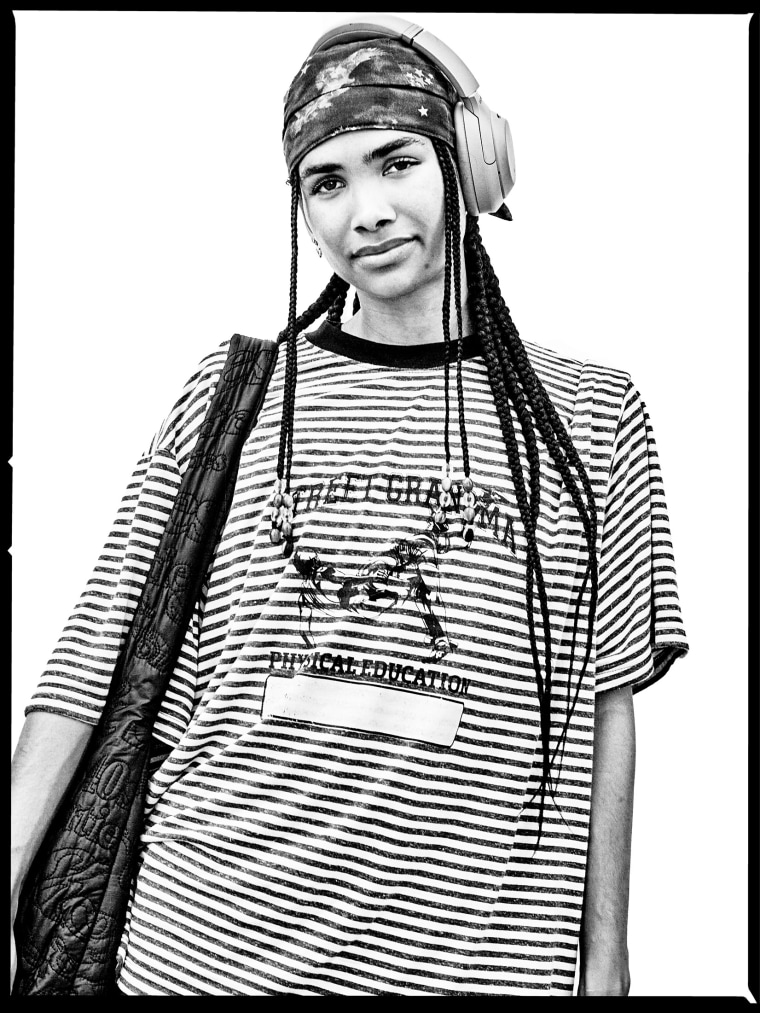 Ocean, another woman Rainer photographed in the Lower East Side, was among the few women who showed no hesitation to participate in the photo series.Courtesy Romy Rainer
That was why the portrait I took of another young woman in Lower East Side, named Ocean, filled me with hope. There was no mask to peel back, no hesitation to overcome. I asked her: “If your heart could speak, what would it say right now?” She responded: “If my heart could speak, it would say to always shine a light on your authenticity and embrace it. It’ll always keep you grounded.”
What I saw in her was a quiet strength that didn’t need to prove itself, a kind of presence that filled the frame with honesty. Ocean reminded me that authenticity itself can be radical, that in a world so often asking women to perform, simply showing up as yourself is an act of power.