
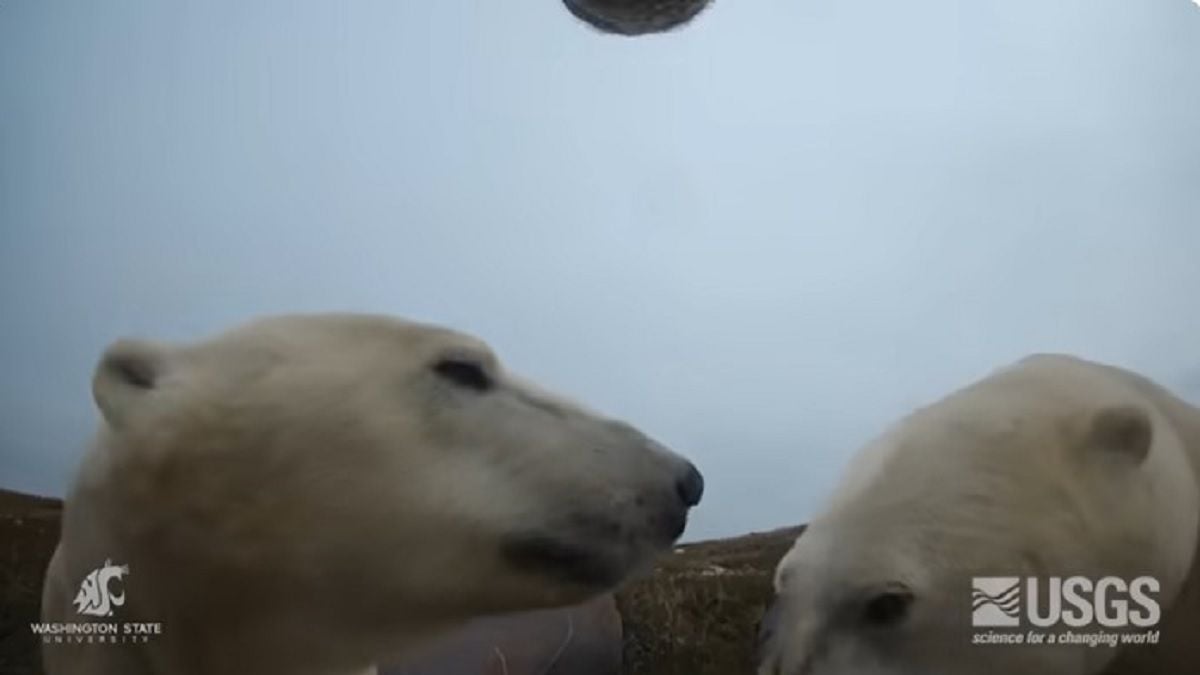
In a groundbreaking study, researchers attached GoPro cameras to polar bears in the Hudson Bay, only to uncover startling insights into the challenges these majestic creatures face. The footage revealed how climate change is forcing polar bears to adapt in ways they never have before.
A rare glimpse into the lives of polar bears
Polar bears, often regarded as the mighty predators of the Arctic, are facing a rapidly changing world due to climate change. As the ice melts and their traditional hunting grounds disappear, these animals are being forced to venture further onto land. This unique study, which followed 20 polar bears over three years, used GoPro cameras attached to the animals to capture their daily lives in extraordinary detail. The result was a series of surprising and sometimes heartbreaking revelations about the impact of environmental changes on these magnificent creatures.
The researchers, led by wildlife biologist Anthony Pagano from the US Geological Survey (USGS), had a rare opportunity to observe how the bears adapted to their increasingly challenging environment. With the ice receding earlier each year, the bears now find themselves stranded on land for longer periods, searching for food in areas where calorie-dense prey is scarce.
The surprising impact of climate change
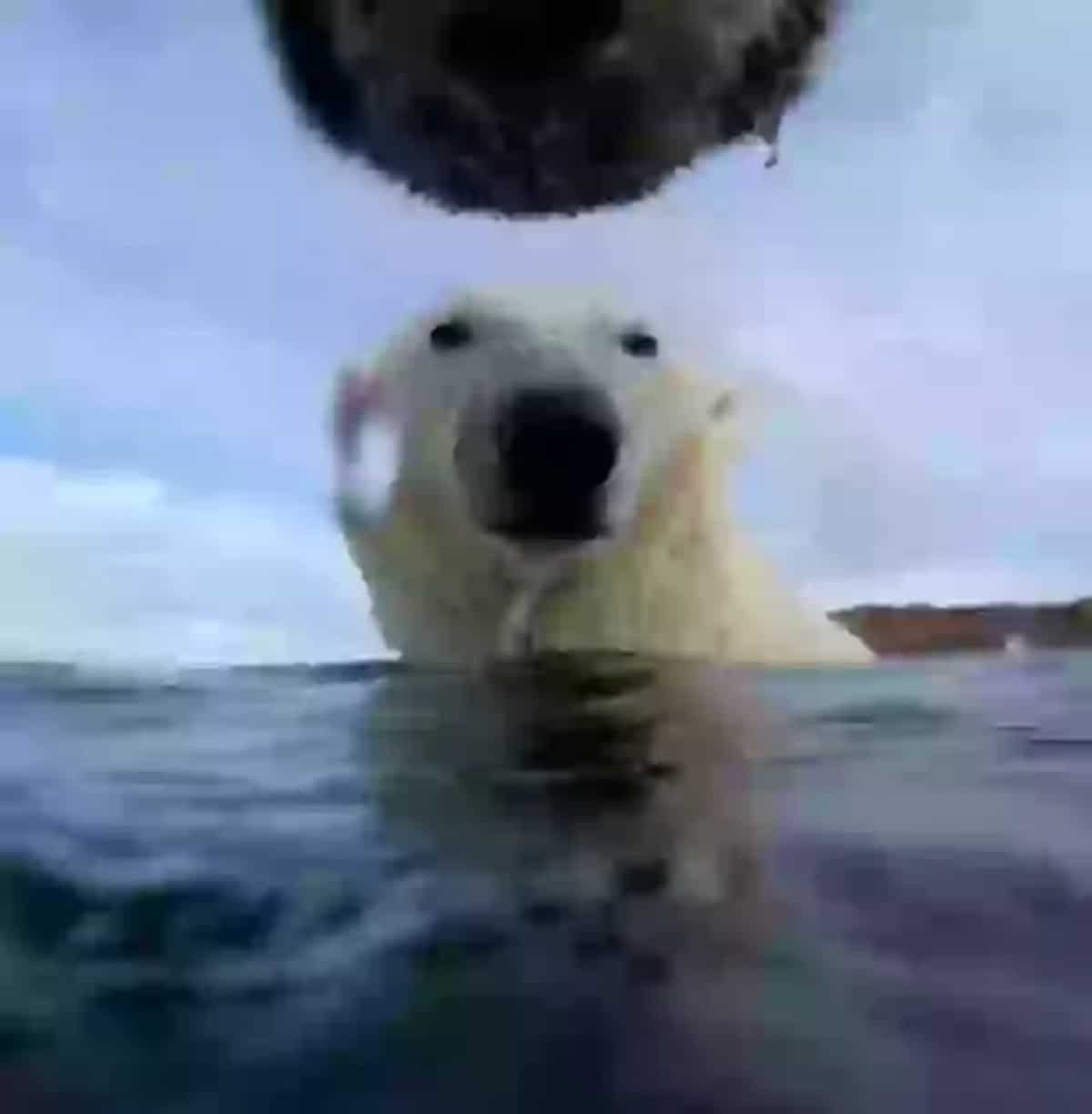
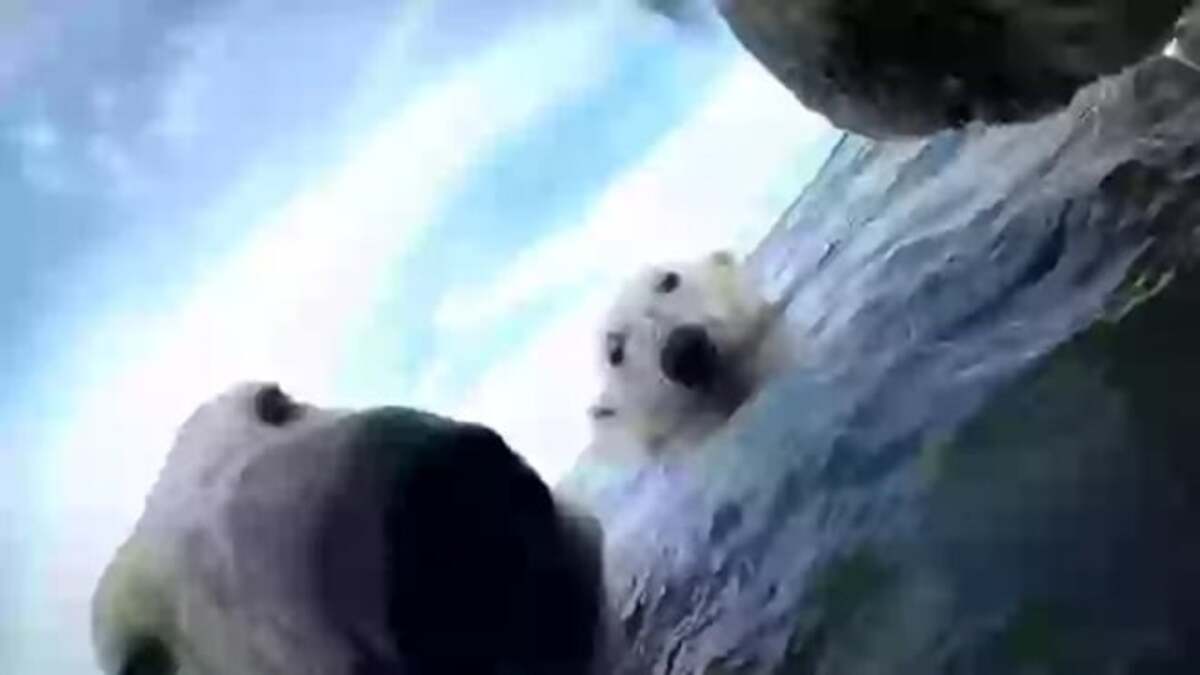
One of the most startling discoveries from the footage was just how much the polar bears were struggling to find food. As the ice melted earlier than usual, the bears were forced to spend significantly more time on land. Unfortunately, this meant that their usual diet of seals—their primary food source—was no longer accessible. Instead, the bears were seen scavenging carcasses, eating berries, and even chewing on wood. Some were also seen fighting with each other in the water, likely due to the stress of hunger and competition for resources.
The research team was particularly alarmed by the amount of weight the bears were losing. Over the course of just three weeks, one bear lost an alarming 36 kilograms, while the majority of the bears experienced a weight loss of around 21 kilograms. These weight losses are a serious concern because polar bears typically weigh between 250-450 kg, depending on their sex. As the bears lost weight, they started taking more risks to find food, including swimming longer distances, which is an unusual behavior for them.
Despite the bears’ resourcefulness, the land-based food they were finding, such as small mammals and plants, wasn’t sufficient to sustain them. Pagano and his team highlighted that the bears’ diet had drastically shifted, but this new diet of berries and small prey was far from an ideal substitute for the rich, fatty seals they typically consume.
An urgent message for wildlife conservation
The findings from this study have important implications for the conservation of polar bears, a species already classified as vulnerable due to climate change. As the sea ice continues to recede, the polar bears’ habitat is shrinking, forcing them to spend more time on land. This dramatic change in their behavior and diet is not just a survival challenge; it could impact the overall health of the population.
For conservationists, this footage is both a wake-up call and a crucial tool in understanding the extent to which climate change is affecting wildlife. The polar bears’ struggle underscores the urgent need for stronger environmental protections and more effective conservation efforts. Without changes in policy and action, the future of these magnificent animals is in jeopardy. The research also serves as a reminder of how climate change is affecting not just ecosystems, but the very survival of species that depend on the natural world for their existence.
As the study continues to generate discussions among scientists and environmentalists alike, the broader public is also becoming more aware of the pressing challenges facing polar bears. If this footage serves any purpose, it’s to spark a much-needed conversation about the impact of global warming on our planet’s most vulnerable species. The clock is ticking, and the fate of polar bears may depend on the actions we take today to protect their habitats for tomorrow.
Similar Posts:

Joe is a passionate news writer with a keen interest in current events. With over a decade of experience in journalism, he has a knack for uncovering the stories that matter most. Joe’s insightful articles and in-depth analyses have made him a trusted voice in the industry. He thrives on staying ahead of the news curve, providing readers with timely and relevant information. Whether it’s breaking news, politics, or social issues, Joe dedication to the craft ensures that his readers are always well-informed.
X (Twitter)